Beetroot benefits for men over 50 are more clinically relevant than for almost any other demographic — and the reason comes down to a specific biological shift that happens with age. Nitric oxide production declines naturally after 40, driven largely by reduced activity of endothelial nitric oxide synthase, the enzyme responsible for the classic NO production pathway. By the time a man reaches his 50s, that decline is measurable — and its effects show up as higher blood pressure, reduced exercise capacity, slower recovery, and in many cases, diminished circulation to tissues that depend on healthy blood flow.
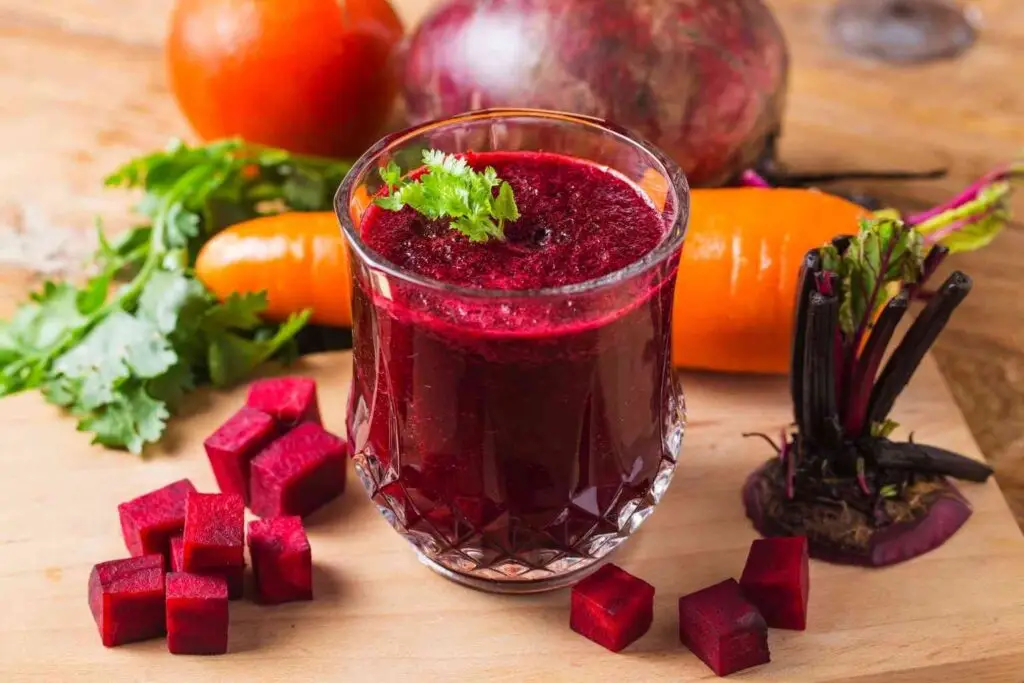
Dietary nitrates from beetroot bypass the compromised enzyme entirely. That is not a marketing claim. It is a documented alternative pathway — and it is why the blood pressure and exercise performance research on beetroot shows its strongest and most consistent results in older adults, not younger ones.
What the Research Shows About Beetroot Benefits for Men Over 50
The evidence base for beetroot benefits for men over 50 is built on two well-replicated findings.
The first is blood pressure. A 2013 meta-analysis in the Journal of Nutrition found that dietary nitrate supplementation reduced systolic blood pressure by an average of 4.4 mmHg across sixteen randomized controlled trials — with the most consistent responses in individuals with elevated baseline values. Men over 50 disproportionately fall into this category: according to CDC data, nearly 55% of adults in this age group have hypertension or elevated blood pressure.
The second is exercise performance and oxygen efficiency. A 2017 meta-analysis in the Journal of the International Society of Sports Nutrition found significant improvements in time-trial performance and oxygen cost of submaximal exercise — with the strongest effects in recreational athletes and moderately trained individuals, not elite competitors. This profile maps almost exactly onto the active adult over 50 who trains for health rather than competition.
Beyond cardiovascular and performance effects, the betalain compounds in beetroot contribute antioxidant and anti-inflammatory support through pathways independent of nitrates — adding a secondary benefit layer that becomes increasingly relevant as systemic inflammation tends to rise with age.
For a complete breakdown of every mechanism and benefit category, the beetroot benefits guide covers the full clinical picture in detail.
Factors That Affect Beetroot Benefits for Men Over 50
Baseline nitric oxide status. The lower your endogenous NO production — which declines with age, sedentary behavior, and cardiovascular risk factors — the more pronounced the response to dietary nitrate supplementation. Men over 50 with elevated blood pressure or reduced exercise tolerance tend to see stronger effects than younger, healthier users.
Oral microbiome health. The nitrate-to-nitrite conversion step depends on specific bacteria on the tongue. Frequent use of antibacterial mouthwash, recent antibiotic courses, or poor oral microbiome diversity can significantly blunt the nitric oxide response regardless of how much beetroot you consume.
Product nitrate content. The exercise performance research used doses of 400–600 mg of dietary nitrates per session. Many commercial beetroot supplements deliver far less. Testing by ConsumerLab identified a greater than 100-fold difference in nitrate content across popular products — making label scrutiny essential before expecting clinical-level results.
Consistency of use. Daily supplementation over three to four weeks produces more stable elevated nitrite levels than occasional use. The blood pressure benefits in particular are cumulative — driven by sustained vascular adaptation, not a single acute dose.
If you want the full picture on how beetroot works, what the clinical research covers, and who benefits most across different age groups, read the complete beetroot benefits guide — it covers every major mechanism and population in detail.
What To Look For in a Supplement
For men over 50 using beetroot specifically for circulation, blood pressure, or performance support, two product characteristics matter most.
Look for explicitly stated nitrate content per serving — not just milligrams of beetroot powder. A target of 300–500 mg of dietary nitrates aligns with the doses used in blood pressure and exercise research. Cold-processed powders and standardized extracts are more reliable than generic bulk products with no nitrate specification.
If beetroot is part of a multi-ingredient formula, check that the other ingredients have complementary — not competing — mechanisms. A formula combining beetroot’s dietary nitrate pathway with an arginine-based NO pathway, for example, targets nitric oxide production through two independent routes simultaneously.
Spartamax is a male performance formula designed specifically for the challenges men face as they age — combining beet root with Tongkat Ali, Maca Root, Ashwagandha, L-Arginine, and Grape Seed Extract to target blood flow, libido, and vitality from multiple angles at once. The beetroot component specifically supports the nitric oxide and circulation layer that becomes increasingly important after 50. If that combination is relevant to you, read the full Spartamax review for a complete breakdown of the formula and dosages. To check current pricing and the guarantee, visit the official Spartamax website directly.
Bottom Line
Beetroot benefits for men over 50 are grounded in a straightforward biological reality: nitric oxide production declines with age, and dietary nitrates from beetroot restore it through a pathway that does not depend on the enzyme that is failing. The blood pressure and exercise performance research shows its strongest results in exactly this demographic. Consistency, product quality, and oral microbiome health are the three variables most likely to determine how much benefit you actually experience.
Disclaimer: The content on this page is for informational and educational purposes only and does not constitute medical advice. Beetroot supplements are not intended to diagnose, treat, cure, or prevent any disease or health condition. Individual results vary. If you are taking prescription medications — particularly anti-hypertensive or cardiac drugs — are pregnant, nursing, or managing a diagnosed health condition, consult your physician before adding any new supplement to your routine. Statements about dietary supplements have not been evaluated by the Food and Drug Administration.