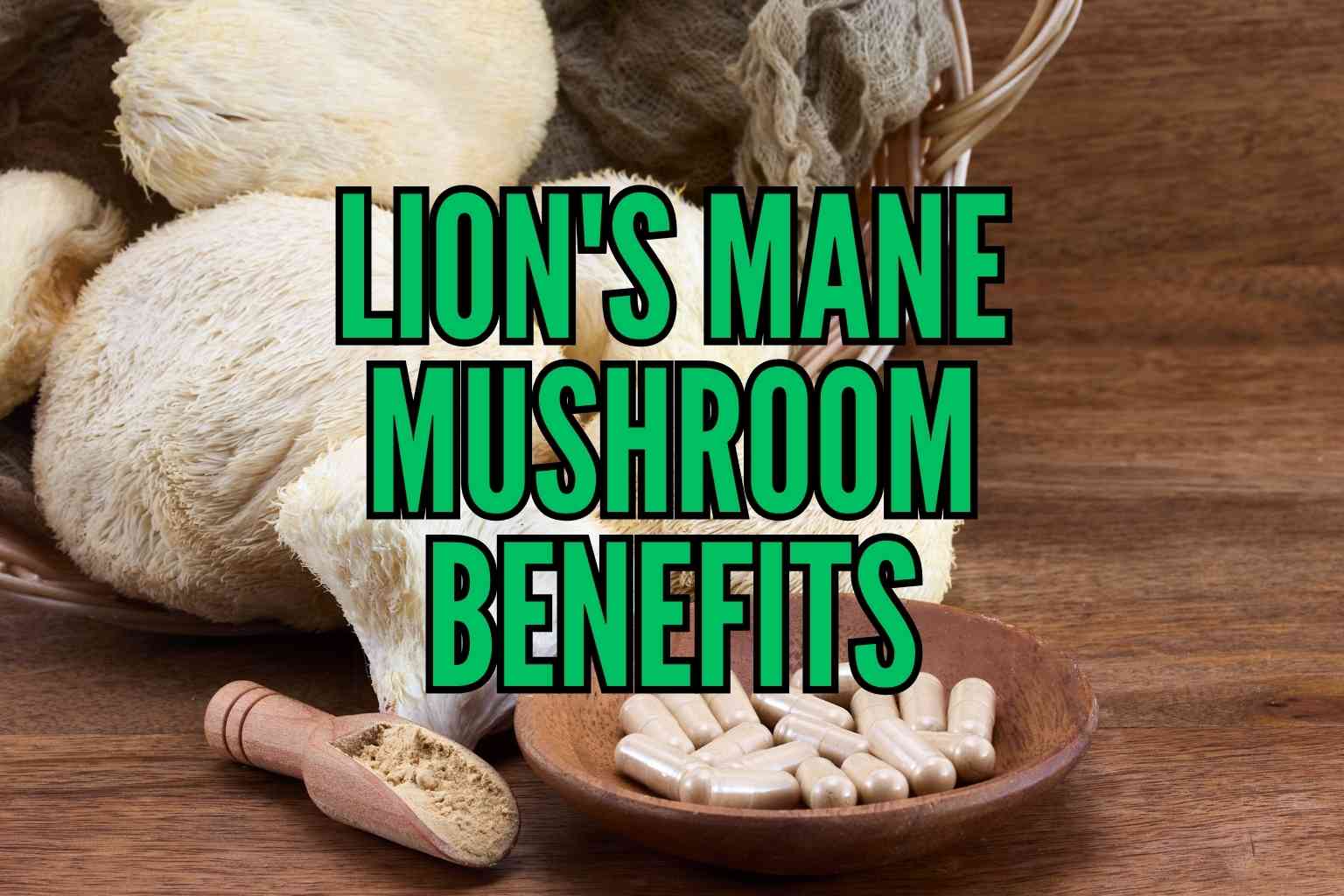
The conversation around lion’s mane mushroom usually goes one of two ways. Either it gets buried under generic superfood claims — “supports brain health,” “boosts immunity,” “may improve focus” — or it gets oversold as the supplement that reverses cognitive decline, cures anxiety, and rebuilds your nervous system in a matter of weeks. Both framings miss what makes this fungus genuinely interesting. The real picture is more specific, more nuanced, and more useful than either version.

This guide covers what lion’s mane mushroom benefits actually look like based on available clinical and preclinical evidence: how its two active compound families work, what human studies show about memory, anxiety, nerve repair, and gut health, how fruiting body and mycelium differ in practice, what a realistic dosage and timeline looks like, and where the evidence is still catching up with the claims. If you’ve been sorting through contradictory information online, this is the version that gives you something to actually act on.
What Is Lion’s Mane Mushroom?
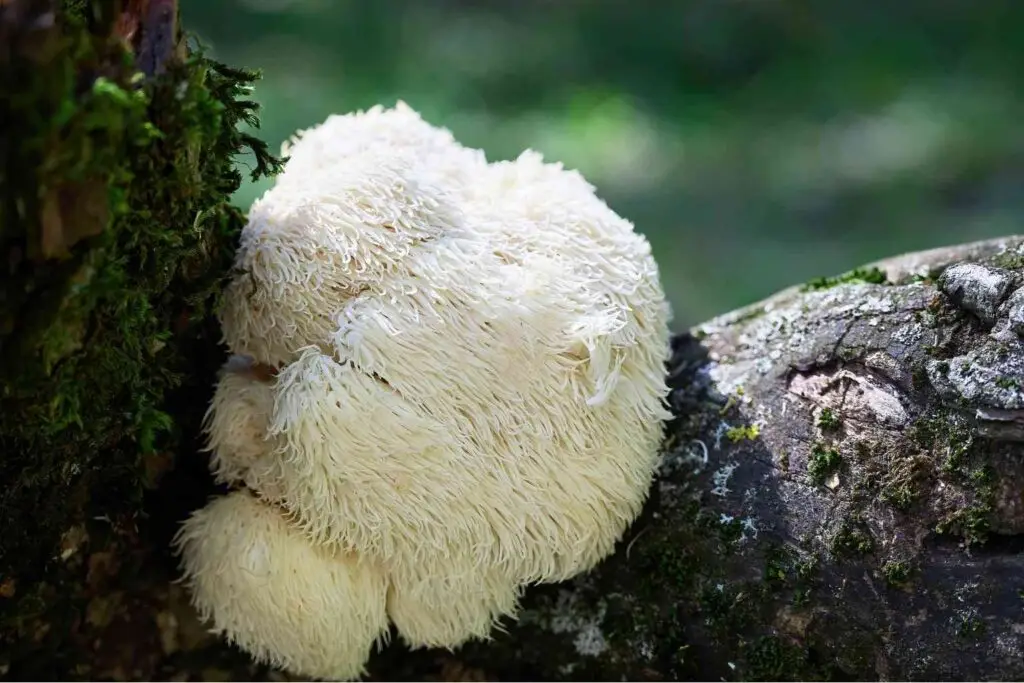
Lion’s mane (Hericium erinaceus) is a medicinal and culinary mushroom native to North America, Europe, and Asia, where it grows on dying hardwood trees — oak, beech, maple — producing a cascade of white dangling spines that gave it its name. In traditional Chinese medicine, it has been used for centuries under the name hou tou gu. Japanese Buddhist monks called it yamabushitake and consumed it for mental clarity during long meditation practice. That historical context is not marketing folklore. It is a clue about what this fungus does to the brain.
Modern science has spent the last two decades working out the mechanisms.
Hericenones and Erinacines: The Two Compounds Behind the Reputation
The lion’s mane mushroom benefits that matter most for the brain trace back to two families of bioactive compounds: hericenones and erinacines.
Hericenones are aromatic compounds found in the fruiting body — the visible white mushroom above ground. They are primarily studied for their ability to stimulate nerve growth factor (NGF) synthesis in nerve cells. Erinacines are terpenoids concentrated in the mycelium — the underground root-like network — and they go further. Erinacine A and erinacine S have been shown in animal models to cross the blood-brain barrier, reaching neural tissue directly and triggering NGF production from within the central nervous system.
NGF is not a minor detail. It is the protein responsible for the survival, maintenance, and regeneration of neurons. Without adequate NGF signaling, neurons atrophy. With it, new neural connections form. That single mechanism explains most of what makes lion’s mane worth taking seriously.
Fruiting Body vs. Mycelium: Which One Actually Works Better?
This is the question most supplement labels don’t answer clearly — and it matters more than most buyers realize.
The fruiting body is richer in hericenones and beta-glucans, the polysaccharide chains that modulate immune function and support gut health. The mycelium is where erinacines concentrate, and erinacines are the compounds most directly linked to NGF stimulation within the central nervous system. A 2026 study published in the Journal of Food Science confirmed that these two parts of the mushroom express different chemistry depending on cultivation conditions and processing method.
The complication: many commercial mycelium products are grown on grain substrate — typically rice or oats — and it is nearly impossible to separate the mycelium from the grain during processing. The end product may contain substantial starch with relatively little actual mushroom tissue. If a product lists mycelium on grain and doesn’t specify beta-glucan content by assay, that label deserves scrutiny.
The most defensible choice for most people is a dual-extract product using both fruiting body and mycelium, with third-party verified beta-glucan content. Standardization data is worth more than a clean-looking label.
Hericium Erinaceus — Forms, Extracts, and What the Label Should Say
Lion’s mane is available as whole dried mushroom powder, hot water extract, dual extract (water plus alcohol), and tincture. The extraction method changes which compounds survive processing.
Hot water extraction preserves beta-glucans and polysaccharides. Alcohol extraction is needed to capture the more lipophilic hericenones. A dual extraction covers both. A simple dried powder without any extraction step may deliver far less of the compounds that drive lion’s mane’s studied effects. The label should specify extract ratio (e.g., 8:1), percentage of beta-glucans, and ideally whether hericenones or erinacines are standardized.
That is not a niche supplement detail. It is the difference between a product that has been shown to do something and one that is riding a trend.
Natural Food Sources of Lion’s Mane — And What You Lose Without an Extract
Lion’s mane is both a genuine culinary ingredient and a medicinal mushroom — which makes it unusual in the functional food space. Most adaptogens are not things you’d eat by the bowlful. Lion’s mane is.
Can You Eat Lion’s Mane Mushroom Raw?
Technically yes. Practically, cooking is better.
Raw lion’s mane contains chitin — a tough structural fiber in the fungal cell wall that the human digestive system breaks down inefficiently. Cooking breaks down chitin and dramatically improves bioavailability of the mushroom’s active compounds. Heat also reduces the mild bitterness that raw lion’s mane can carry. For food-based intake, cooked is the right call.
The nutritional profile is legitimate: low in fat, moderate in protein, rich in fiber, and containing B vitamins, potassium, zinc, and manganese. As a culinary ingredient, it earns its place. As a medicinal source of hericenones and erinacines at clinically relevant doses, it falls short of what a concentrated extract delivers.
Lion’s Mane Mushroom Recipes: How to Cook It and What to Expect
Fresh lion’s mane has a texture that many describe as similar to crab or lobster — dense, slightly chewy, with a subtle umami flavor that deepens when sautéed in butter or oil. Common preparations include sautéed lion’s mane “steaks” with garlic and thyme, stir-fries with ginger, soy sauce, and sesame oil, and as an addition to ramen or miso-based broths.
Lion’s mane mushroom coffee has gained significant traction as a morning ritual for people who want functional support alongside caffeine — or instead of it. The mushroom’s earthy profile integrates naturally with coffee, and several brands combine it with reishi and cordyceps for broader coverage. The realistic ceiling of food-based daily intake sits well below the doses used in clinical trials. For therapeutic purposes, a concentrated extract closes that gap.
How Does Lion’s Mane Mushroom Work? The Biological Mechanisms
Six mechanisms explain most of what lion’s mane does in the body. They interact, but understanding each one separately makes the benefits section easier to follow.
Nerve growth factor (NGF) stimulation is the primary mechanism. Hericenones and erinacines trigger NGF synthesis in nerve cells, supporting the growth, maintenance, and repair of neurons throughout the central and peripheral nervous systems.
Neurogenesis — the creation of new brain cells — is directly linked to NGF. Lion’s mane promotes the proliferation of neural progenitor cells, particularly in the hippocampus, the region most associated with memory formation and emotional regulation.
BDNF modulation (brain-derived neurotrophic factor) is a secondary neurotrophic pathway. Research suggests lion’s mane compounds support BDNF expression, which governs synaptic plasticity and the brain’s ability to form new connections through learning.
Beta-glucans and immune modulation represent the immunological dimension. Beta-glucans bind to receptors on immune cells — particularly Dectin-1 — training innate immunity toward a balanced, adaptable response rather than one-directional activation.
NF-kB neuroinflammation inhibition is how lion’s mane intersects with chronic brain inflammation. Polysaccharides and terpenoids from H. erinaceus have been shown to modulate the NF-kB pathway, reducing neuroinflammatory signaling without suppressing broad immune function.
Gut-brain axis signaling is the least discussed mechanism and arguably the most underappreciated. Lion’s mane polysaccharides influence the composition of the gut microbiome and protect the gastric mucosa, with downstream effects on mood, cognition, and systemic inflammation through the vagus nerve. The gut and brain are in constant communication. Lion’s mane works on both ends simultaneously.
Lion’s Mane Mushroom Benefits: What the Research Shows
1. Memory and Cognitive Function: What the Clinical Trials Confirm
A 2020 double-blind, placebo-controlled study published in Frontiers in Aging Neuroscience gave 1 gram of lion’s mane daily to adults with mild Alzheimer’s disease for 49 weeks. Cognitive test scores improved significantly compared to placebo. This is one of the stronger human trials in this area — not because the effect was dramatic, but because it was a proper RCT in a clinically relevant population with a long follow-up window.

The landmark 2009 RCT published in Phytotherapy Research showed that 30 adults with mild cognitive impairment who took 3 grams of Hericium erinaceus powder daily for 16 weeks scored significantly higher on the Revised Hasegawa Dementia Scale than controls. The gains reversed after supplementation stopped — which suggests the benefit depends on continued use, not permanent structural change.
What the research does not show: dramatic overnight improvements in healthy young adults with no cognitive issues. The evidence is strongest in people who already have some degree of decline or impairment. For younger adults, the data is preliminary and effect sizes are modest.
2. Lion’s Mane for Brain Fog: The NGF Mechanism That Explains It
NGF decline begins gradually after the third decade of life and accelerates with chronic stress, poor sleep, and elevated neuroinflammation. As NGF levels fall, neuronal maintenance suffers. Synaptic transmission becomes less efficient. Processing speed slows. The result feels subjectively like fog.
A 2023 double-blind RCT published in Nutrients tested 1.8 grams of lion’s mane daily in 41 healthy adults aged 18 to 45. A single dose produced faster performance on the Stroop task at 60 minutes post-dose — a validated measure of processing speed and executive function. Over 28 days, a trend toward reduced subjective stress emerged. The study was small and not all cognitive measures improved. The directional signal was consistent.
The honest framing: lion’s mane for brain fog is mechanistically grounded and supported by early but not definitive human data. It is not a guaranteed fix. It is a rational intervention worth testing with realistic expectations.
3. Lion’s Mane for Anxiety and Depression: The Hippocampus Connection
A 2010 study published in Biomedical Research — often cited but rarely explained properly — gave lion’s mane cookies to 30 Japanese women dealing with menopausal symptoms including irritability, anxiety, and disrupted sleep. After four weeks, the lion’s mane group reported significantly lower anxiety and depression scores compared to placebo. The proposed mechanism: improved hippocampal neurogenesis, which directly governs emotional regulation.

The hippocampus shrinks under chronic stress and elevated cortisol. NGF and neurogenesis support its recovery. Lion’s mane is not acting as a sedative or an SSRI analog — it is working through a fundamentally different pathway. It does not suppress anxiety signals. It supports the neural infrastructure that processes and regulates them over time.
Animal research published in the Journal of Medical Food in 2018 confirmed that H. erinaceus extract reduced anxious and depressive behaviors in mice by promoting hippocampal neurogenesis. The evidence is promising, not conclusive. The mechanism is coherent and worth taking seriously.
4. Lion’s Mane for Sleep: The Indirect Pathway Most Guides Miss
Lion’s mane is not a sleep supplement in the way melatonin or magnesium glycinate are. It does not directly induce sedation or raise GABA activity. The pathway is more indirect — and more sustainable.

Chronic anxiety and neuroinflammation are two of the most common drivers of disrupted sleep architecture. By reducing neuroinflammatory signaling through NF-kB inhibition, and by supporting mood stability through hippocampal neurogenesis, lion’s mane can improve sleep quality as a downstream effect of addressing the underlying states that keep people awake. A 2021 study in BMC Complementary Medicine and Therapies showed that H. erinaceus mycelium improved sleep quality in mice experiencing continuous sleep disturbance — an effect attributed to both anxiolytic and anti-inflammatory mechanisms.
If your sleep problems trace back to rumination, stress, or anxiety, lion’s mane may contribute meaningfully over time. As a direct sedative, it will not deliver.
5. Nerve Damage Recovery and Peripheral Neuropathy Support
This is where lion’s mane’s most remarkable — and most preclinical — research sits.
Animal studies have consistently shown that H. erinaceus extracts accelerate peripheral nerve regeneration after injury. The mechanism: NGF-stimulated neurite outgrowth — the regrowth of the extensions that allow neurons to connect and communicate. A 2013 study in Evidence-Based Complementary and Alternative Medicine demonstrated that lion’s mane extract induced NGF synthesis and promoted neurite outgrowth in neuroblastoma cell lines. In rodent models of peripheral nerve crush injury, lion’s mane supplementation significantly reduced recovery time compared to untreated controls.
The myelin sheath — the protective coating around nerve fibers that degrades in conditions like diabetic peripheral neuropathy — appears to be a target of the neuroprotective effects.
No large-scale human RCT has tested lion’s mane specifically for clinical neuropathy. The mechanism is established in vitro and in animal models. Translation to humans is biologically plausible, not yet confirmed at the trial level.
6. Lion’s Mane Gut Health: The Gut-Brain Axis Evidence
Most lion’s mane guides mention cognitive benefits and stop there. The gut data is less prominent — and arguably just as clinically interesting.
H. erinaceus polysaccharides have demonstrated gastroprotective effects in multiple animal studies. A 2013 study in Evidence-Based Complementary and Alternative Medicine showed that lion’s mane extract significantly reduced ethanol-induced gastric ulcers in rats through antioxidant mucosal protection. A double-blind human trial published in the Chinese Medical Journal in 1985 found that H. erinaceus produced measurable symptom improvement in chronic atrophic gastritis compared to controls.
The H. pylori connection adds another layer: lion’s mane extracts have shown inhibitory activity against this pathogen, one of the leading drivers of gastric ulcers and gastric cancer risk worldwide. Beyond the stomach, lion’s mane beta-glucans influence gut microbiome composition — increasing beneficial bacterial populations and reducing inflammatory microbial activity. That shift has upstream effects on neurotransmitter precursor synthesis and systemic inflammation via the gut-brain axis.
The gut and brain are not separate systems. Lion’s mane benefits work at both ends.
7. Immune System Support: What Beta-Glucans Actually Do
The immune effects of lion’s mane trace almost entirely to its beta-glucan content — and the distinction that matters most is often overlooked.
Beta-glucans are immunomodulators, not immunostimulants. An immunostimulant pushes the immune system into higher activation. An immunomodulator calibrates it — supporting reactivity where it is needed and dampening overactivation where it is not. A 2026 preclinical study comparing lion’s mane mycelium and fruiting body extracts found that the mycelium extract promoted a balanced immune response, upregulating anti-inflammatory markers while reducing the pro-inflammatory cytokine IL-1 beta under inflammatory conditions. The fruiting body extract increased IL-1 beta in the same assay — a finding that doesn’t condemn fruiting body extracts but does highlight that extract type and preparation affect biological outcome.
For most healthy adults, lion’s mane is a reasonable daily addition for immune balance. People with autoimmune conditions should discuss it with their physician before starting.
8. Cardiovascular and Metabolic Support: The Emerging Evidence
This benefit category is the most preliminary of the eight — and the most important to frame honestly.
Animal studies have shown that H. erinaceus extracts can reduce triglycerides, inhibit LDL oxidation, and support metabolic pathways related to cholesterol and blood glucose. A 2010 study in Bioscience, Biotechnology, and Biochemistry demonstrated lipid-lowering effects in mice fed a high-fat diet. A 2013 study in BMC Complementary and Alternative Medicine found improved glycemic control in diabetic rat models.
These are animal studies. They establish biological plausibility but do not confirm clinical outcomes in humans. No large-scale human RCT has specifically tested lion’s mane for cardiovascular endpoints. If you are managing lipids or blood sugar, lion’s mane is not an evidence-backed first-line option. The mechanistic case for interest is legitimate. The clinical case requires more human data before strong conclusions follow.
Lion’s Mane vs. Ashwagandha: Two Adaptogens, Completely Different Mechanisms
People frequently ask which one to take, as though they are competing options. They are not. They address different problems through different biological pathways.
Ashwagandha works primarily through the HPA axis — the hypothalamic-pituitary-adrenal system that governs the stress response. Its active compounds, withanolides, reduce cortisol output, blunt stress reactivity, and support testosterone balance. Effects appear in clinical studies within 4 to 8 weeks. Ashwagandha is a stress buffer operating on the hormonal side of the equation.
Lion’s mane mushroom works through NGF stimulation and neurogenesis. It does not suppress the stress response — it rebuilds the neural infrastructure that regulates it. Effects accumulate slowly across weeks and months. Lion’s mane is a neural builder operating at the structural level.
If your primary issue is acute stress, cortisol elevation, or sleep disruption driven by HPA axis overactivation, ashwagandha is the more targeted choice. If your issue is cognitive decline, brain fog, mood instability with a longer trajectory, or nerve health, lion’s mane addresses a different root cause entirely.
Many people use both. The mechanisms don’t overlap, and the evidence doesn’t suggest any interaction concern at standard doses.
Does Lion’s Mane Get You High? And Other Questions People Search but Feel Odd Asking
No. Lion’s mane does not contain psilocybin, psilocin, or any psychoactive compound. It is not a psychedelic mushroom. It produces no altered states, visual effects, or euphoria.
What it can produce — with consistent use over several weeks — is a subjective sense of mental clarity, reduced anxiety, and more stable mood. Some users describe it as thinking more cleanly or feeling less reactive under pressure. Those effects are real. They are grounded in the NGF and neurogenesis mechanisms already described. But they are categorically different from what psychoactive substances do. Lion’s mane works on brain structure through neurotrophic and nutritional pathways, not through receptor agonism or serotonin system modulation.
The confusion exists partly because functional mushrooms and psilocybin research have entered mainstream conversation simultaneously. They are completely separate categories of fungi with completely different biological effects.
Who Benefits Most from Lion’s Mane Mushroom?
Adults Over 50 Dealing with Memory Slippage and Mental Fatigue
The human trial evidence is strongest in this group. The 2009 Japanese RCT and the 2020 Alzheimer’s study both worked with adults experiencing meaningful age-related cognitive changes. NGF declines progressively with age, and the compounds in lion’s mane address that decline directly. For adults over 50 noticing that recall, processing speed, or mental stamina has shifted, lion’s mane is one of the better-supported natural options in this space.
Lion’s Mane for Women Over 50: The Menopause and Mood Evidence
The 2010 Biomedical Research study on Japanese menopausal women is the only human trial specifically targeting this demographic, and its results are worth examining carefully. Thirty women dealing with irritability, anxiety, poor sleep, and low mood consumed lion’s mane cookies daily for four weeks. The lion’s mane group showed significant reductions in anxiety and depression scores compared to placebo.

The proposed mechanism: menopause reduces estrogen, which in turn reduces hippocampal neurogenesis and NGF expression. Lion’s mane may partially compensate through a non-hormonal NGF-stimulation pathway. This does not mean it replaces hormonal support or resolves all menopausal symptoms. For the mood and cognitive dimensions specifically, the mechanistic logic is more grounded than in most supplements marketed at this demographic.
People with Chronic Anxiety, Depression, or Persistent Brain Fog
Lion’s mane is not a substitute for clinical treatment of anxiety or depressive disorders. For people in the subclinical range — stress-driven anxiety, situational low mood, brain fog connected to poor sleep or chronic stress — the neurogenesis and anti-neuroinflammatory mechanisms make it a rational daily support. The expectation to set clearly: this is not a supplement that produces noticeable acute relief. Hippocampal effects accumulate over weeks. Consistency is the variable that determines whether it works.
Anyone Using Gut Health Supplements Who’s Missing the Brain Side
People already taking probiotics or prebiotics are working on one end of the gut-brain axis. Lion’s mane works on both ends simultaneously — supporting gastric mucosa integrity, modulating microbiome composition, and feeding back into cognitive and mood pathways through the vagus nerve. If gut health is already part of your routine, lion’s mane is a logical and mechanistically complementary addition.
Lion’s Mane Mushroom Benefits in Modern Supplements
PrimeBiome: When Lion’s Mane Meets the Gut-Skin Axis
PrimeBiome is a daily probiotic gummy formula designed around the gut-skin axis — the science connecting gut microbiome balance to skin aging, inflammation, and overall skin quality. Its formula includes Organic Lion’s Mane alongside B. Coagulans, Inulin, Dandelion, Fennel, Lemon Balm, and Slippery Elm Bark.
The inclusion of lion’s mane here reflects a broader formulation logic worth understanding. Gut health and cognitive health share the same biological infrastructure. The vagus nerve communication that connects microbiome balance to brain function also connects to skin inflammation and immune regulation. Lion’s mane in this context is not a brain ingredient dropped into a gut formula — it is a compound that works at multiple points in the same network simultaneously.

For a complete breakdown of how PrimeBiome uses lion’s mane within its gut-skin formulation, the full analysis is in our PrimeBiome review.
How Long Does Lion’s Mane Mushroom Take to Work?
The answer depends entirely on what you are trying to achieve.
Acute effects do appear in the data. The 2023 Nutrients RCT found improved Stroop task performance at 60 minutes after a single dose of 1.8 grams. If processing speed is the metric, there may be something measurable happening within the first hour.
Cognitive and mood effects in clinical trials have generally required 4 to 16 weeks of consistent daily use. The 2009 Japanese RCT used 16 weeks. The 2020 Alzheimer’s trial ran for 49 weeks. The menopausal women’s study produced results within 4 weeks. Neurogenesis is a slow process — neurons do not rebuild on a weekly schedule.
Gut effects may develop on a shorter timeline. Microbiome modulation has shown changes within 2 to 4 weeks of consistent supplementation in related gut-health research.
The practical takeaway: do not expect to notice anything dramatic in the first two weeks. A 90-day trial at consistent daily dosing is the minimum useful evaluation window for most people. Effects tend to be subtle — reduced brain fog, more consistent mood, clearer mornings — rather than acute or obvious. That subtlety is not a sign the product is failing. It is what neurotrophic support looks like in real life.
Lion’s Mane Mushroom Dosage, Timing, and Safety
What Dosage of Lion’s Mane Do Clinical Studies Actually Use?
Dosages across human trials vary considerably, reflecting the lack of field-wide standardization. The 2009 Japanese RCT used 3 grams per day of whole mushroom powder. The 2020 Alzheimer’s trial used 1 gram per day. The 2023 Nutrients study used 1.8 grams of concentrated extract.

For most adults using a quality extract, the evidence supports a daily dose in the range of 500 mg to 3 grams, depending on concentration and extraction ratio. A 4:1 or 8:1 extract at 500 mg delivers roughly the equivalent of 2 to 4 grams of raw mushroom material. Always check the extract ratio — the dose number on a label without that context tells you almost nothing useful.
Lion’s Mane Mushroom Before Bed: Morning or Night — Does It Matter?
Available clinical trials have not tested timing as a systematic variable, so this comes down to mechanism and individual goal.
The case for morning dosing: lion’s mane is not sedating, and the acute clarity effects observed in the 2023 RCT appeared within 60 minutes of a morning dose. Most trials administered it with breakfast. The case for evening dosing: if your primary goal is sleep quality improvement through anxiety reduction, the anxiolytic and anti-neuroinflammatory mechanisms may be more useful if active during the sleep window.
Consistency matters far more than timing. Taking it at the same time daily — whichever slot fits your routine — produces more reliable outcomes than optimizing the window and missing doses.
Lion’s Mane Mushroom Side Effects: What’s Real and What’s Overstated
Lion’s mane has a well-established safety profile at standard doses. The most common side effects reported in trials and in user experience are mild gastrointestinal discomfort — nausea, bloating, or loose stools — typically occurring when doses are taken without food or when starting at higher amounts. Starting lower and titrating up resolves this for most people.
Allergic reactions are rare but documented, primarily in people with known mushroom or mold sensitivities. Anyone with a mushroom allergy should not take lion’s mane without medical clearance.
One important finding from the 2026 preclinical comparative study: the fruiting body extract increased the pro-inflammatory cytokine IL-1 beta under certain assay conditions, while the mycelium extract reduced it. This does not mean fruiting body products cause clinical inflammation, but it does suggest that people with inflammatory or autoimmune conditions should discuss extract type and dose with a physician before starting.
No serious adverse events have been documented in human clinical trials at doses up to 3 grams daily across studies lasting up to 49 weeks.
Interactions and Precautions
Lion’s mane has theoretical interactions with anticoagulant medications, based primarily on in vitro data showing some effect on platelet aggregation. If you take blood thinners, discuss lion’s mane with your prescribing physician before starting.
People with diabetes on blood sugar-lowering medications should monitor glucose levels when adding lion’s mane, given its demonstrated glycemic effects in animal models. Pregnant and breastfeeding women should avoid lion’s mane in supplement form — no safety data exists for these populations.
For healthy adults with no chronic conditions or medications, lion’s mane at standard doses is considered safe for daily long-term use based on available evidence.
Frequently Asked Questions About Lion’s Mane Mushroom
Does Lion’s Mane Mushroom Get You High?
No. Lion’s mane contains no psilocybin, psilocin, or any compound that produces altered states. The confusion arises from its presence in the broader functional mushroom category, which sits culturally near psilocybin research. These are unrelated categories of fungi with completely different biology. Lion’s mane produces subtle shifts in clarity and mood through neurotrophic mechanisms over weeks — not acute perceptual changes.
Can You Eat Lion’s Mane Mushroom Raw?
You can, but cooking is better. Raw lion’s mane contains chitin that reduces bioavailability of its active compounds. Heat breaks it down and improves absorption. Cooking also reduces mild bitterness. For culinary intake, sautéed or roasted lion’s mane delivers better nutrition and flavor than raw. For therapeutic doses, a concentrated extract is the more practical route.
How Long Does Lion’s Mane Take to Work?

Acute processing-speed effects can appear within 60 minutes of a single dose based on a 2023 RCT. Cognitive and mood benefits in trials emerge over 4 to 16 weeks of consistent daily use. Gut effects may appear within 2 to 4 weeks. A 90-day trial at a consistent dose is the minimum useful evaluation window for most applications.
What Is the Right Dosage of Lion’s Mane for Brain Fog?
Human trials relevant to brain fog and cognitive function used between 1 and 3 grams of whole mushroom powder, or 500 mg to 1.8 grams of concentrated extract. The 2023 Nutrients acute study used 1.8 grams. Starting at 500 mg of a quality dual extract and increasing to 1 to 1.5 grams is a practical and evidence-aligned approach.
Is It Better to Take Lion’s Mane Before Bed or in the Morning?
No trial has systematically tested timing as an independent variable. Morning dosing aligns with most clinical protocols and the acute focus data. Evening dosing may suit people whose primary goal is anxiety reduction and downstream sleep quality improvement. Daily consistency matters more than the specific timing window.
Fruiting Body vs. Mycelium: Which Should You Actually Buy?
A dual-extract product using both is the safest starting point. Fruiting body concentrates hericenones and beta-glucans. Mycelium concentrates erinacines. If choosing mycelium-only, confirm that substrate grain content is minimal and that beta-glucan levels have been verified by third-party assay. If choosing fruiting body-only, look for standardized hericenone content. When in doubt, transparent third-party testing is the most reliable quality signal.
Is Lion’s Mane Safe for Long-Term Daily Use?
Based on available human trial data, yes. Studies up to 49 weeks found no serious adverse events at doses of 1 to 3 grams daily. Mild gastrointestinal side effects are the most common issue, typically dose-dependent and reduced by taking with food.
Does Lion’s Mane Help with Anxiety Without Sedating You?
Yes — and that distinction is the defining feature of how it works. Lion’s mane does not act as a sedative or GABA modulator. Its anxiolytic effects emerge from hippocampal neurogenesis and anti-neuroinflammatory mechanisms over weeks of consistent use. This makes it a fundamentally different type of anxiety support than valerian, L-theanine, or benzodiazepines — all of which act more acutely and through direct nervous system depression.
Can Lion’s Mane Mushroom Really Support Gut Health?
The evidence here is more established than most people expect. Human trial data from 1985 showed H. erinaceus effectiveness in chronic atrophic gastritis. Multiple animal studies have consistently demonstrated gastroprotective and anti-H. pylori effects. Beta-glucans from lion’s mane modulate gut microbiome composition with downstream effects on mood and inflammation. The gut benefits are not a secondary marketing angle on a brain supplement — they are a mechanistically coherent and separately documented part of what this mushroom does.
Lion’s Mane for Women Over 50: Is There Real Evidence?
One controlled human study exists — small but rigorous — showing significant reductions in anxiety and depression in menopausal women after four weeks of lion’s mane consumption, published in Biomedical Research in 2010. The proposed mechanism involves NGF-supported hippocampal neurogenesis compensating for the decline in estrogen-driven neuroplasticity during menopause. Preliminary, but real, specific, and mechanistically grounded.
The Bottom Line
Lion’s mane mushroom benefits are real, mechanistically documented, and broader than most content covers. The case for cognitive support — particularly in adults over 50 — rests on multiple human RCTs showing improved scores on validated cognitive measures. The case for anxiety and mood support, gut health, and neuroprotection is built on a combination of solid preclinical data and earlier-stage human evidence that is growing year over year.
What lion’s mane mushroom benefits are not: fast-acting, dramatic, or universal. The effects build over weeks through neurotrophic and anti-inflammatory mechanisms that require time to accumulate. Product quality matters enormously — extract type, source, and standardization separate effective formulas from expensive mushroom powder with no clinical relevance.
For most adults considering lion’s mane, the most important variables are consistency, product quality, and realistic expectations about timeline. At 500 mg to 3 grams of quality extract daily, with a minimum 90-day commitment, lion’s mane mushroom benefits are as well-supported as any compound in the natural cognitive health space.
This content is for informational purposes only and does not constitute medical advice. Lion’s mane mushroom supplements are not intended to diagnose, treat, cure, or prevent any disease. Consult a qualified healthcare provider before beginning any new supplement, particularly if you are pregnant, nursing, taking medications, or managing a chronic health condition.