
Most people encounter cayenne pepper benefits through a single lens: a thermogenic spice that slightly raises metabolic rate, burns a handful of extra calories, and earns a paragraph in weight-loss articles. That framing is accurate — but it covers roughly 20% of the actual research. Cayenne pepper has been used for approximately 7,000 years, with archaeological evidence placing it in Mesoamerican cuisine and medicine long before European contact. The compound responsible for its heat — capsaicin — binds to receptor systems distributed across skeletal muscle, vascular endothelium, the gut lining, peripheral nerve endings, and auditory pathways. Reducing cayenne pepper to a fat-burning spice is like describing aspirin only as a fever reducer.

This post covers the full spectrum of cayenne pepper benefits documented in clinical and mechanistic research: thermogenesis and weight management, pain relief through a well-characterized neurological mechanism, cardiovascular and circulatory support, digestive effects, anti-inflammatory action, and emerging data on gut microbiota modulation. You will also find honest guidance on dosage, timing, who benefits most, safety considerations, and what to look for when evaluating supplements that include this ingredient.
What Is Cayenne Pepper? (Capsicum annuum, Scoville Scale, and the Heat Principle)
Cayenne pepper (Capsicum annuum) is a long, thin red chili belonging to the Solanaceae — nightshade — family. It registers between 30,000 and 50,000 Scoville Heat Units (SHU) on the scale that measures capsaicinoid concentration. That places it significantly hotter than jalapeño (2,500–8,000 SHU) but considerably milder than habanero (100,000–350,000 SHU). The position on the scale matters for supplement purposes: cayenne sits in a range where capsaicin concentration is high enough to produce measurable physiological effects, but low enough to be orally tolerated without extreme gastrointestinal distress in most people.
Originating in Central and South America, cayenne has been cultivated for millennia and is now grown across tropical regions including India, East Africa, and Mexico. Historically, it played a central role in both Ayurvedic and traditional Chinese medicine — primarily for circulatory and digestive complaints — long before the bioactive compound responsible for its effects had a name.
The Active Compound: Capsaicin, Dihydrocapsaicin, and the Capsaicinoid Family
Capsaicin is the primary active compound in cayenne pepper, but it is not the only one. Cayenne contains a family of related molecules called capsaicinoids, of which capsaicin typically accounts for 69–70% and dihydrocapsaicin accounts for roughly 22%. Nordihydrocapsaicin, homodihydrocapsaicin, and homocapsaicin make up the rest.
This distinction has practical relevance. Different capsaicinoids produce subtly different sensory profiles — dihydrocapsaicin is perceived as sharper and more irritating than the flatter heat of nordihydrocapsaicin. More relevant for supplement evaluation: standardized capsaicin extracts used in clinical research specify total capsaicinoid content, not capsaicin alone. When a cayenne pepper supplement label reads “standardized to 0.25% capsaicin,” it is referencing the dominant compound within this broader capsaicinoid family — and that standardization is what separates a clinically dosed product from an undifferentiated powder.
Cayenne Pepper Supplement Forms: Powder, Extract, and Standardized Capsaicin
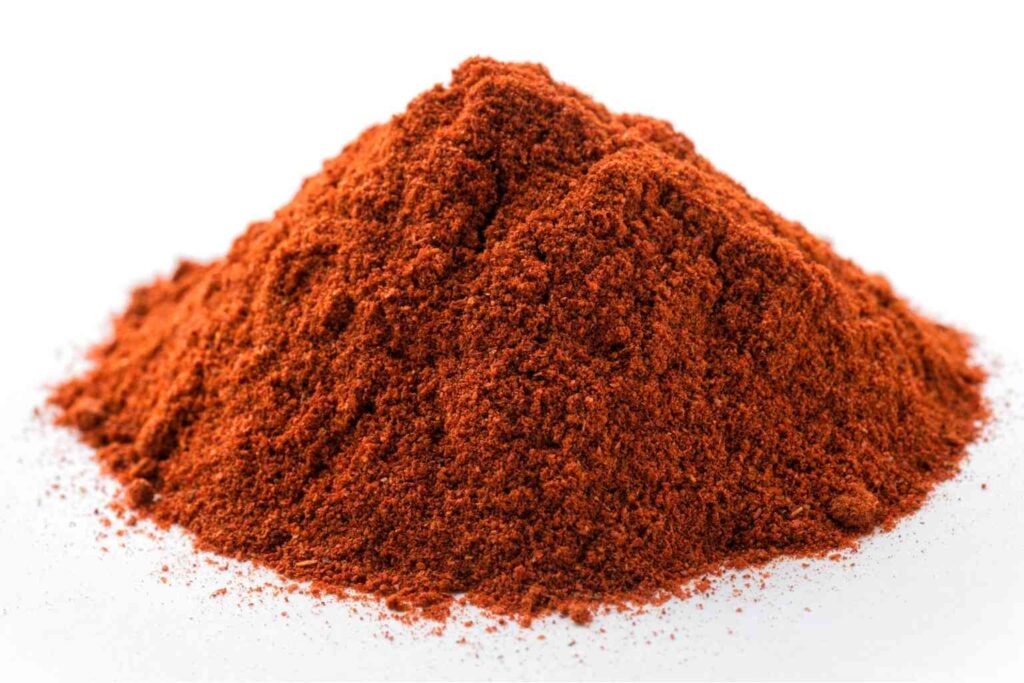
The gap between culinary cayenne and a clinical-grade cayenne pepper supplement is larger than most product pages acknowledge. A teaspoon of cayenne powder contains roughly 2–5 mg of capsaicin. The randomized controlled trials documenting thermogenic and metabolic effects typically used 6–135 mg of capsaicinoids daily — amounts that simply cannot be reached through cooking without severe gastrointestinal consequences.
Standardized extracts bridge that gap. A quality cayenne pepper supplement will specify the capsaicinoid percentage, allowing precise dosage calculation. Enteric-coated capsules reduce gastric irritation by delaying release until the intestine — directly relevant for anyone with acid sensitivity. Uncoated capsules are cheaper but less tolerable on an empty stomach. The delivery format is not a minor marketing detail. It determines how much capsaicin you actually absorb and whether you can sustain consistent daily use.
Natural Food Sources of Capsaicin
Cayenne is the most familiar dietary source of capsaicin, but it sits within a broader spectrum of capsaicin-containing foods. Jalapeños register 2,500–8,000 SHU; serrano peppers reach 10,000–23,000 SHU; Thai bird’s eye chilies exceed 100,000 SHU. All deliver capsaicinoids in varying concentrations.
Incorporating capsaicin through food is a valid strategy for low-dose, regular exposure. Large population studies from China, Italy, and the United States consistently show that habitual chili pepper consumers have measurable health advantages, particularly in cardiovascular risk reduction. The practical limitation is dose consistency — cooking temperature, pepper variety, seed removal, and preparation method all affect the final capsaicin content of a meal.
Other natural sources of capsaicin in food worth noting: paprika — particularly smoked or hot varieties — provides low to moderate capsaicinoid content and is widely used in European and Middle Eastern cuisines. Red chili flakes deliver concentrated capsaicin with wide variability between brands. Tabasco and fermented hot sauces are diluted but still relevant at the frequency most people consume them.
For those specifically seeking the documented metabolic, circulatory, or analgesic benefits of cayenne pepper, food sources alone are unlikely to deliver therapeutically consistent doses. Standardized supplementation is generally more reliable for targeted outcomes.
How Does Cayenne Pepper Work? The TRPV1 Mechanism Explained
Capsaicin does not warm the body. It convinces the nervous system to act as though it does.
The mechanism begins with a receptor protein called TRPV1 — transient receptor potential vanilloid 1 — which normally detects thermal heat above 43°C and signals potential tissue danger to the brain. Capsaicin binds to TRPV1 and activates it at normal body temperature, triggering the same physiological cascade the body would produce under genuine heat stress: increased metabolic output, elevated core temperature, sweating, and circulatory adjustments.
That initial activation is the entry point, not the full picture. TRPV1 receptors are expressed not just in oral mucosa and skin, but in skeletal muscle, adipose tissue — including brown fat depots — vascular endothelium (the inner lining of blood vessels), enteric nerves of the gut, and auditory pathways. This anatomical distribution is why cayenne pepper benefits extend far beyond thermogenesis.
The key mechanisms, each operating through a distinct pathway:
TRPV1 activation triggers a systemic sympathetic nervous system response — increased heart rate, vasodilation, and accelerated metabolic activity.
Thermogenesis: heat generation in skeletal muscle and adipose tissue increases resting energy expenditure above baseline.
Brown adipose tissue (BAT) recruitment: capsaicin activates TRPV1 in BAT depots, stimulating the uncoupling protein thermogenin and increasing non-shivering heat production independently of ordinary caloric metabolism.
Substance P depletion: repeated capsaicin exposure initially triggers the release of substance P — a neuropeptide that transmits pain signals to the brain — then progressively depletes local stores with repeated application. The result is a prolonged analgesic effect. This is the basis for FDA-approved topical capsaicin therapies.
Nitric oxide vasodilation: capsaicin activates TRPV1 on vascular endothelium, triggering production of nitric oxide (NO) — a signaling molecule that relaxes smooth muscle in blood vessel walls, widening vessels and increasing regional blood flow.
Gut microbiota modulation: emerging research suggests dietary capsaicin may shift gut bacterial composition toward anti-inflammatory profiles, potentially explaining cardiovascular benefits in habitual chili consumers that cannot be accounted for by direct vascular mechanisms alone.
Six distinct mechanisms. Most content on this ingredient covers one.
Cayenne Pepper Benefits: What the Research Shows
1. Cayenne Pepper for Weight Loss: What Meta-Analyses Actually Found
A 2017 systematic review and meta-analysis published in Bioscience Reports analyzed data from randomized controlled trials on capsaicin and body weight. The conclusion: capsaicin supplementation produced statistically significant but modest reductions in body weight and waist circumference, with more pronounced effects in obese individuals compared to those who were overweight. A subsequent analysis in the British Journal of Nutrition confirmed these findings, noting that effects were dose-dependent and most consistent at higher capsaicinoid intakes.

The honest summary is this: cayenne pepper for weight loss functions as a legitimate supporting mechanism, not a primary driver. It modestly increases energy expenditure, supports fat oxidation, and may reduce ad libitum caloric intake — but it does not substitute for a calorie deficit. Studies reporting stronger effects typically used isolated capsaicin at doses well beyond what culinary cayenne delivers. What the research consistently supports is a short-term thermogenic effect and mild appetite suppression in the hours following consumption. For someone whose main challenge is maintaining appetite control across the day, that is a real and useful effect.
2. Cayenne Pepper Metabolism: Thermogenesis and Calorie Burn in Numbers
A 28-day randomized double-blind trial on overweight adults using sustained-release red chili pepper extract reported an increase of 195–300 additional calories of daily energy expenditure compared to placebo. Body temperature rose approximately 1–2°C. Time to exhaustion on a graded treadmill test increased by 56–69%.
The mechanism is capsaicin thermogenesis — driven by TRPV1 activation in skeletal muscle and BAT, increasing mitochondrial uncoupling and heat production. Basal metabolic rate (BMR) elevations in the range of 4–5% have been reported in short-duration studies, though this effect attenuates with extended daily use as TRPV1 desensitizes to repeated stimulation.

Cayenne pepper metabolism support is most clinically meaningful in two contexts: immediately post-meal, where it enhances the thermic effect of food, and in combination with physical activity, where it may extend endurance and support fat oxidation during exercise. Both effects are real. Neither is transformative on its own.
3. Cayenne Pepper for Pain Relief: How Substance P Depletion Works
Topical capsaicin is FDA-approved for specific forms of neuropathic pain — including post-herpetic neuralgia and diabetic peripheral neuropathy. That regulatory standing makes cayenne pepper for pain relief the most clinically established of all its documented benefits, and the one most conspicuously absent from metabolism-focused supplement content.
The mechanism is substance P depletion: repeated topical application exhausts local stores of the pain-transmitting neuropeptide, producing prolonged analgesia without systemic drug effects. A Cochrane review found that high-concentration topical capsaicin (8%) produced meaningful pain reduction in approximately one-third of patients with peripheral neuropathy versus a low-concentration control. Multiple trials also support lower-concentration OTC creams (0.025–0.1%) for osteoarthritis pain in hands and knees.
Oral supplementation for pain relief operates through a different and less-established pathway — primarily systemic anti-inflammatory effects rather than direct substance P depletion, which requires local topical application. The two routes are not interchangeable for this purpose.
4. Cayenne Pepper for Digestion: Stomach Acid, Motility, and H. pylori
The default assumption is that cayenne pepper irritates the stomach. The evidence suggests the opposite — in moderate doses.

Capsaicin stimulates nerves in the gastric mucosa that trigger production of digestive fluids, potentially improving motility and enzymatic activity. Research published in Critical Reviews in Food Science and Nutrition found that capsaicin at culinary concentrations may actually protect gastric mucosa from damage. This is a textbook example of hormesis: a small, controlled stimulus produces protective adaptation, while large doses cause exactly the harm the body was adapting to prevent.
On Helicobacter pylori: in vitro studies have demonstrated capsaicin’s inhibitory effects on bacterial growth. Human evidence remains limited, but epidemiological associations between high habitual chili consumption and lower H. pylori-related ulcer rates in certain populations have been noted in the literature.
Cayenne pepper for digestion is most relevant at culinary doses — not high-dose supplementation without enteric coating, where the risk of gastric irritation overtakes the protective benefit.
5. Cayenne Pepper Blood Pressure and Cardiovascular Function
A large-scale dietary analysis of approximately 23,000 Italian adults — published in the Journal of the American College of Cardiology — found that those who ate chili peppers at least four times per week had a 23% lower risk of dying from cardiovascular causes compared to those who rarely or never consumed them. That population-level signal cannot be explained by thermogenesis alone.
The primary mechanism: nitric oxide vasodilation. Capsaicin activates TRPV1 on vascular endothelium, promoting NO release and smooth muscle relaxation, reducing peripheral vascular resistance — the pathway directly relevant to cayenne pepper blood pressure support. A three-month randomized study found that capsaicin supplementation significantly reduced systolic blood pressure and LDL cholesterol in participants with low HDL levels. The effect size was moderate, not dramatic. But it reflects genuine cardiovascular physiology — not merely a spice effect.
6. Cayenne Pepper Anti-Inflammatory Properties and Oxidative Stress
Capsaicin’s anti-inflammatory activity operates through two distinct pathways simultaneously. Directly, it modulates NF-κB signaling — a master regulator of inflammatory gene expression — reducing production of pro-inflammatory cytokines including TNF-α and IL-6. This is well-documented in vitro and in animal models, with emerging supporting data from human trials.
The indirect pathway is more novel and arguably more significant at the population level: dietary capsaicin may shift gut microbiota composition toward species associated with reduced intestinal permeability. In this model, habitual chili consumption decreases LPS endotoxemia — the leakage of bacterial endotoxins into the bloodstream that sustains low-grade chronic inflammation in metabolic disease — through a mechanism that is independent of direct NF-κB modulation. Both pathways may be operating simultaneously, though their relative contributions in human supplementation contexts remain under active investigation.
7. Cayenne Pepper for Circulation: Nitric Oxide and Vascular Function
Beyond blood pressure regulation, cayenne pepper supports circulation through a vascular mechanism with anatomically broad reach. TRPV1 receptors line blood vessel walls throughout the body — not only in large arteries but in the microvascular networks supplying metabolically active small structures: the cochlea of the inner ear, peripheral nerve endings, skin capillaries, and joint tissues.
When capsaicin activates these endothelial TRPV1 receptors, the resulting nitric oxide release dilates capillaries and increases regional blood flow at the organ level. This is mechanistically distinct from the systemic cardiovascular effects described above and explains why cayenne appears in formulas targeting organ-specific circulation — including hearing health supplements, where cochlear blood flow is a documented factor in age-related auditory decline.
Cayenne Pepper in the Morning: Does Timing Change How It Works?
Yes — and in more than one direction.
Capsaicin’s thermogenic effect peaks within 30–60 minutes of consumption and remains elevated for approximately 2–3 hours post-dose. Morning intake means the thermogenic window aligns with the period of highest physical activity for most people and with the cortisol-driven metabolic peak of the circadian cycle. That overlap is not incidental — it represents the most efficient timing for metabolic support from cayenne pepper.
There is also a relevant interaction with coffee. Caffeine independently elevates resting metabolic rate via catecholamine release. Taken together, capsaicin and caffeine may produce additive thermogenic effects. Direct combination studies are limited, but the mechanistic basis — distinct receptor pathways converging on similar sympathoadrenal outputs — is plausible.
Cayenne pepper on an empty stomach is the most common complaint-generating scenario. Without food to buffer gastric contact, uncoated capsaicin causes epigastric burning, nausea, or cramping in a significant portion of users. Enteric-coated cayenne pepper supplements sidestep this entirely by releasing capsaicin in the small intestine rather than the stomach. If using powder or uncoated capsules, taking them alongside a small meal dramatically improves tolerability.
The case for morning timing is strongest for metabolic and thermogenic goals. For digestive support, with-meal consumption is more appropriate. For topical pain relief, timing is independent of dietary intake.
Who Benefits Most from Cayenne Pepper Supplements?
Not everyone extracts equal value from cayenne supplementation. The research points to four groups where the benefit-to-risk ratio is most clearly favorable.
Adults over 40 managing metabolic slowdown. Age-related decline in BMR is well-documented, and capsaicin’s thermogenic and BAT-activating properties are more relevant in this context than for younger adults with already-efficient metabolisms. The meta-analytic finding of more pronounced weight management effects in obese versus overweight individuals reinforces this pattern.
People with chronic joint pain or neuropathy seeking non-pharmacological options. Topical capsaicin’s analgesic mechanism is one of the most evidence-rich applications in natural medicine. Those who cannot tolerate long-term NSAID use, or who are looking to reduce dependence on pain medication, have a clinically validated alternative — with FDA-approved precedent.
Adults with circulatory concerns or elevated cardiovascular risk. The vasodilatory and blood pressure data supports cayenne pepper as a plausible dietary adjunct for vascular health — particularly for people managing borderline hypertension who want to support cardiovascular function alongside lifestyle modifications.
Individuals with digestive sluggishness or poor gut motility. At culinary doses, capsaicin’s stimulation of digestive fluids and its emerging gut microbiota effects make it relevant for people whose primary complaint is bloating, irregular motility, or reduced digestive efficiency — not for those with active acid reflux or gastric irritation, where high doses may worsen rather than relieve symptoms.
Cayenne Pepper in Modern Supplements
CitrusBurn: Cayenne Pepper in a Stimulant-Free Thermogenic Stack
CitrusBurn uses red pepper — its capsaicin source — as part of a multi-ingredient thermogenic formula specifically designed to avoid the jitter-and-crash profile of caffeine-heavy fat burners. The formula pairs cayenne’s capsaicin with Seville orange peel (p-synephrine), ginger, and green tea, creating a thermogenic stack where compounds work through overlapping but mechanistically distinct pathways: capsaicin via TRPV1, synephrine via adrenergic receptors, ginger via digestive and thermogenic pathways.

This combinatorial logic is worth understanding because it shifts the evaluation from “does cayenne work in isolation?” to “does cayenne work more effectively in this multi-compound context?” For someone who wants metabolic support without stimulant-driven energy spikes, the formula design represents a considered approach to thermogenesis — and the role of cayenne pepper benefits within it is worth examining in full.
Read the full CitrusBurn review here.
Audifort: Cayenne Pepper for Inner Ear Circulation and Auditory Health
Audifort’s inclusion of Capsicum Annuum — cayenne pepper — reflects an application of this ingredient that virtually no weight-loss-focused supplement content addresses: circulatory support for the structures of the inner ear.
The cochlea operates on a continuous, high-volume oxygen supply delivered through the labyrinthine artery and its downstream microvasculature. Disruptions to that blood flow — from chronic inflammation, arterial stiffness, or circulatory insufficiency — are among the documented contributors to age-related hearing decline and tinnitus. Capsaicin’s TRPV1-mediated nitric oxide vasodilation is directly relevant to this pathway: it dilates microvascular networks at the organ level, improving oxygen and nutrient delivery to cochlear hair cells.

Audifort pairs cayenne with Ginkgo Biloba (a well-researched peripheral vasodilator), Maca Root (for circulatory and neural energy support), and GABA (for nervous system calming related to tinnitus triggers). Cayenne pepper plays the anti-inflammatory and microcirculatory role within a formula designed to support cochlear blood flow and auditory nerve function from multiple angles simultaneously — a use of this ingredient that deserves more coverage than it receives.
Read the full Audifort review here.
How Long Does Cayenne Pepper Take to Work?
The timeline depends entirely on what you are taking it for.
Thermogenic effect: acute. Resting energy expenditure increases within 30 minutes of capsaicin consumption and returns to baseline within 2–3 hours. The warmth, light sweating, or mild energy elevation many people notice is real and measurable. TRPV1 desensitization means the intensity may reduce with daily use over weeks — the receptor adapts, and the acute peak decreases even as background effects persist.
Weight management and metabolic support: 4–12 weeks. The RCTs showing meaningful effects on body weight and fat mass used supplementation periods of 8–12 weeks minimum. Expecting significant body composition changes in under a month sets unrealistic expectations that the research does not support.
Pain relief via topical capsaicin: days to several weeks of consistent application. The substance P depletion that produces the analgesic effect requires repeated topical exposure to the same area. Initial applications often intensify the burning sensation before improving the underlying pain — a pattern that causes many people to discontinue prematurely.
Cardiovascular and circulatory benefits: months of consistent intake. Population-level data suggests habitual chili consumption over months to years drives the most consistent cardiovascular outcomes. Acute vasodilation is faster, but sustained benefit requires sustained intake.
Digestive support: days to a few weeks. Gut motility responses and microbiota shifts operate on a longer timeline than thermogenesis. Regular dietary inclusion of cayenne at culinary doses is the appropriate approach here — not sporadic high-dose supplementation.
Cayenne Pepper Dosage and Safety
Recommended Dosage: What Clinical Studies Actually Used

Published RCTs used between 6 mg and 135 mg of capsaicinoids daily — a range so wide it reflects genuinely different research designs, patient populations, and outcome measures. That variability is not ambiguity; it is an honest reflection of how dose-response relationships in capsaicin research actually look.
The absence of a single recommended dose matters because a supplement labeled “500 mg cayenne pepper extract” tells you almost nothing without knowing the capsaicinoid percentage. A practical working range for metabolic support: 30–120 mg of total capsaicinoids daily from a standardized extract (look for ≥0.25% capsaicin). For digestive support through food: 1–2 g of cayenne powder with meals. For topical pain relief: creams standardized to 0.025–0.1% capsaicin, applied 3–4 times daily to the affected area.
Cayenne Pepper Safety and Side Effects
The most common side effects of oral cayenne supplementation are gastrointestinal: epigastric burning, nausea, diarrhea, and cramping. These are dose-dependent and significantly reduced with enteric-coated formulations or food co-administration.
Cayenne pepper and acid reflux is among the more nuanced safety questions in this category. At low dietary doses, capsaicin does not consistently worsen GERD in clinical studies — some mechanistic data even points toward protective gastric effects. At supplement doses without enteric coating, the risk of esophageal and gastric irritation increases substantially. For anyone with existing reflux disease, starting at the lowest possible dose with food and monitoring response is the appropriate first step.
One documented case of sudden cardiac death in a 41-year-old man with no prior cardiac history following high-dose cayenne capsule ingestion has been reported in the medical literature. It remains a single case. It does not establish a generalized risk at culinary or standard supplement doses. But it reinforces that high-dose unsupervised supplementation — particularly in individuals with undiagnosed cardiovascular risk — is not without potential consequences.
Interactions and Precautions: Medications, Pregnancy, and High-Risk Groups
Anticoagulants (warfarin, clopidogrel): capsaicin may enhance antiplatelet activity and increase bleeding risk when combined with blood thinners. Anyone on anticoagulation therapy should consult a clinician before supplementing.
ACE inhibitors (captopril, lisinopril, enalapril): capsaicin can trigger cough in some individuals through a mechanism related to substance P and airway nerve sensitization — compounding the already-documented cough side effect associated with this drug class.
Stomach acid reducers (omeprazole, ranitidine, famotidine): theoretical interaction via altered gastric pH affecting capsaicin contact time and mucosal exposure.
Pregnancy and breastfeeding: insufficient safety data exists for supplemental doses during pregnancy. Culinary use is generally considered acceptable; high-dose supplementation is not recommended.
Children: cayenne pepper supplements are not appropriate for pediatric use.
Cayenne Pepper: Frequently Asked Questions
How much cayenne pepper per day should you take for weight loss?
Clinical trials showing statistically significant fat mass reductions used between 6 and 135 mg of capsaicinoids daily, with most metabolic studies clustering around 30–80 mg. Reaching these doses consistently through culinary cayenne alone is difficult without significant gastric discomfort. A standardized cayenne pepper supplement specifying capsaicinoid content is more reliable for weight management purposes than estimating dose through food. No regulatory authority has established an official daily reference value for capsaicin specifically for weight loss.
Can cayenne pepper lower blood pressure naturally?
The vascular evidence is real, but requires realistic framing. Capsaicin’s nitric oxide-mediated vasodilation produces measurable blood pressure reductions in controlled clinical settings. A 90-day trial found significant reductions in systolic blood pressure in a high-cardiovascular-risk group. Cayenne pepper is best approached as a supportive dietary measure — not a replacement for prescribed antihypertensive therapy. Anyone managing clinically diagnosed hypertension should not adjust medications based on supplementation without medical guidance.
Does cayenne pepper help with bloating and gas?
Possibly, in people whose bloating stems from sluggish gastric motility or low digestive secretion. Capsaicin stimulates gastric fluid production and may accelerate gastric emptying in relevant populations. In individuals whose bloating is caused by gut hypersensitivity or irritable bowel syndrome, cayenne may worsen symptoms. Culinary doses are generally better tolerated than supplement doses in this context — a distinction worth making before assuming more is better.
Is cayenne pepper good for acid reflux, or does it make it worse?
This is genuinely dose-dependent and individual-specific. At low dietary concentrations, capsaicin does not consistently worsen GERD in clinical studies, and some mechanistic data points to protective effects on gastric mucosa. At supplement doses — particularly from uncoated capsules — contact with the lower esophagus and stomach can aggravate existing reflux. People with diagnosed GERD or erosive esophagitis should use enteric-coated formulations, take the supplement with food rather than on an empty stomach, and start at the lowest available dose.
What are the benefits of cayenne pepper and lemon water in the morning?
Cayenne pepper and lemon water is a popular morning ritual with a partial evidence base. Capsaicin provides a short-term thermogenic spike and potential digestive stimulation. Lemon provides vitamin C and mild acids that may support gastric function. The combination does not perform any form of metabolic detoxification — a common claim with no established physiological mechanism. The most defensible benefit is as a low-calorie, habit-forming morning routine that delivers a modest metabolic stimulus alongside hydration. That is genuinely useful, without requiring any detox mythology to justify it.
Can you take cayenne pepper on an empty stomach?
Technically yes — practically inadvisable for most people without enteric coating. Uncoated capsaicin in direct contact with the gastric lining causes burning, nausea, or cramping in a significant proportion of users at supplement doses. Enteric-coated capsules release capsaicin in the small intestine, bypassing gastric contact entirely. If using powder or uncoated capsules, taking them with even a small amount of food dramatically reduces gastric side effects without meaningfully impairing absorption.
Cayenne pepper vs. black pepper: which one is better for metabolism?
They work through entirely different mechanisms. Cayenne pepper’s metabolic effects come from capsaicin and TRPV1-mediated thermogenesis. Black pepper’s primary active compound — piperine — works by inhibiting intestinal enzymes and drug-metabolizing proteins, enhancing the bioavailability of co-administered compounds. Black pepper does not produce meaningful thermogenesis on its own. For direct metabolic support, cayenne pepper is the relevant ingredient. The two are frequently combined in supplements precisely because they serve complementary, non-overlapping roles — not because either substitutes for the other.
What should you look for in a cayenne pepper supplement?
Three criteria matter most. Standardization: the label should specify the percentage of capsaicinoids or the milligrams of capsaicin per serving, not just total pepper powder weight. Delivery format: enteric-coated capsules reduce gastric side effects significantly and are worth the small premium for daily use. Third-party testing: NSF, USP, or Informed Sport certification confirms that the capsaicinoid content on the label matches what is actually in the capsule — a verification that raw material quality and manufacturing consistency require.
Can cayenne pepper help with joint pain?
For topical application, yes — with strong clinical backing. FDA-approved topical capsaicin for neuropathic and arthritic pain is a well-established application. Oral cayenne supplementation for joint pain operates through a different and less-established pathway — primarily systemic anti-inflammatory effects via NF-κB modulation and cytokine reduction. People seeking joint pain relief should consider topical formulations as the primary application and oral supplementation as a secondary systemic adjunct, not the reverse.
Does cayenne pepper burn fat directly, or does it only support metabolism?
It supports metabolism — it does not burn fat directly. Capsaicin increases energy expenditure through thermogenesis and may enhance fat oxidation — the metabolic process by which stored fat is used as fuel — but the mechanism is indirect: it raises the rate at which the body burns calories overall, which can increase the proportion derived from fat stores when caloric intake is controlled. No compound in cayenne directly degrades stored triglycerides independent of energy balance. The distinction matters for setting honest expectations.
Cayenne Pepper Benefits: The Bottom Line
Cayenne pepper benefits extend well beyond the thermogenesis-only framing that dominates most supplement content. Capsaicin’s TRPV1-mediated effects span metabolism, pain management, cardiovascular function, microcirculation, digestive physiology, and emerging gut microbiota research — making it one of the more genuinely multi-system ingredients in the natural health space. The evidence is also unusually honest in its limitations: weight management effects are real but modest; topical analgesic effects are among the strongest in natural medicine; cardiovascular signals from population-level data are compelling; digestive effects are dose-dependent and can reverse at high doses.
Cayenne pepper works best as part of a deliberate supplementation strategy — standardized for capsaicinoid content, matched to the right delivery format for the intended outcome, and taken with expectations calibrated to what the research actually shows. Whether you are considering it for metabolic support, circulatory health, pain management, or as an ingredient within a multi-compound formula, the science gives you enough to work with — and enough caveats to make decisions you will not regret.
Disclaimer: The content in this post is provided for educational and informational purposes only. All information is based on publicly available research and third-party sources. This post does not constitute medical advice and is not a substitute for professional healthcare guidance. We are not doctors or licensed medical professionals. Nothing presented here accounts for your individual health conditions, medications, or medical history. Always consult your physician or a qualified healthcare provider before starting any new supplement, including products containing cayenne pepper or capsaicin. Individual results may vary.