If you’ve ever researched valerian root benefits and walked away more confused than when you started, that’s not a failure of research. It’s actually the most honest signal the evidence sends. Some studies show meaningful improvements in sleep quality within days. Others find no effect at all. A handful land somewhere in between, with researchers noting that the quality of the extract matters more than most people realize. That inconsistency isn’t a reason to dismiss valerian root — it’s a reason to understand it better before deciding whether it belongs in your routine.

This post covers what valerian root actually is, how it works at a biochemical level, and what the research says across every major application: sleep, anxiety, menopause, PMS, restless legs syndrome, and beyond. You’ll also find a practical breakdown of dosage, timing, safety, and what to look for when evaluating a supplement that includes valerian root as an ingredient.
What Is Valerian Root?
Valerian root has been used as a medicinal herb for over 2,000 years. Hippocrates referenced it for insomnia. Medieval European physicians prescribed it for anxiety and headaches. Today, the valerian root supplement market is estimated at $500 million globally — and the FDA still hasn’t approved it for any medical use. That gap between centuries of tradition and official regulatory validation is part of what makes valerian so interesting, and part of what makes the evidence so complex to interpret.
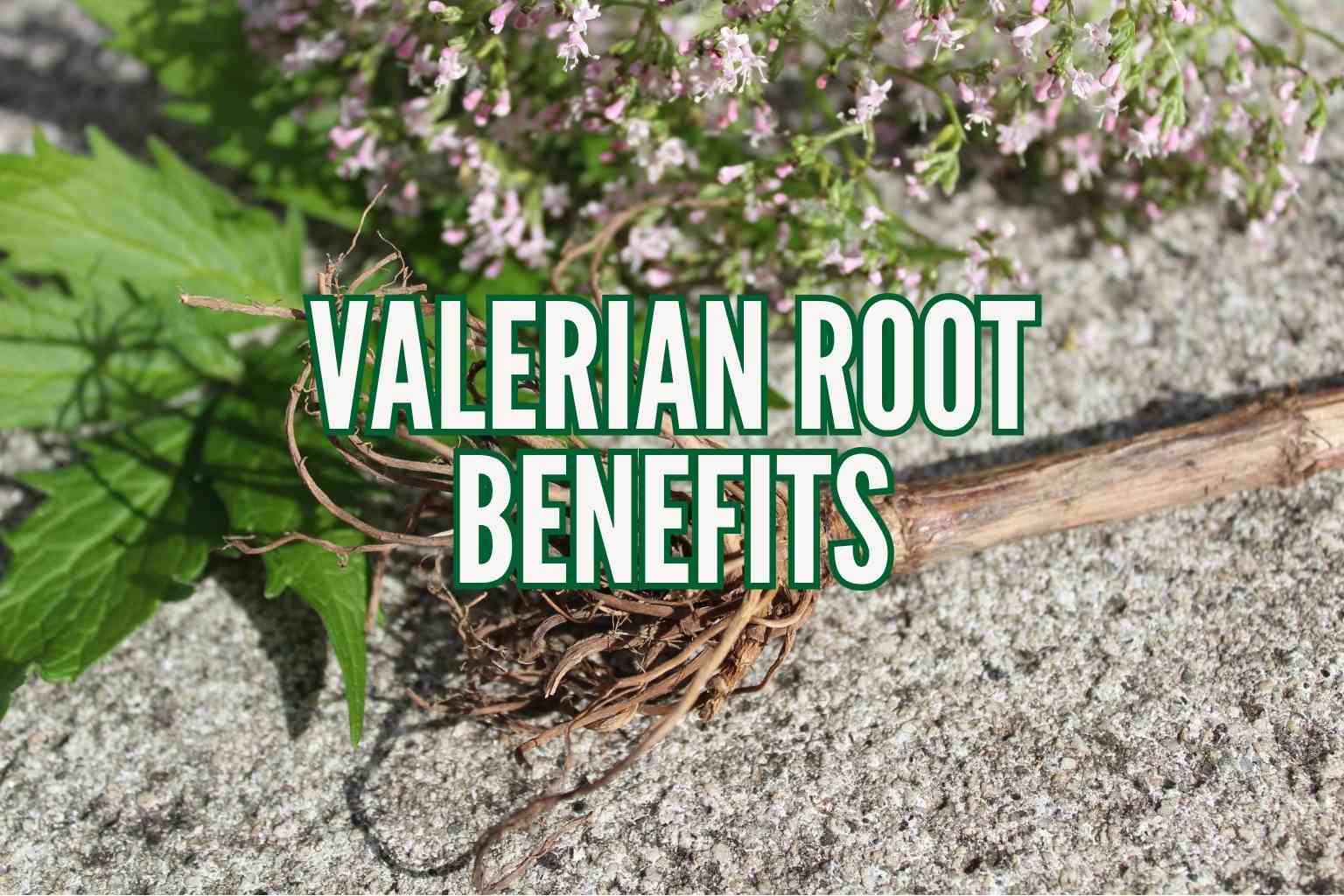
The plant itself is Valeriana officinalis, a perennial herb native to Europe and Asia that now grows widely in North America. It reaches up to five feet tall, produces clusters of small pink or white flowers, and has a root system with a distinctly pungent odor — often compared to aged cheese or damp earth. That smell comes from isovaleric acid, one of the volatile compounds released during drying. The roots and rhizomes are the parts used medicinally.
Valerenic Acid and Valepotriates: The Compounds That Do the Work
The chemistry of valerian root is more complex than most supplement labels suggest. Two primary classes of active compounds drive most of the research interest: valerenic acid (and its derivatives, acetoxyvalerenic acid and hydroxyvalerenic acid) and valepotriates (esters of short-chain fatty acids).
Valerenic acid is the compound most researchers point to when explaining valerian’s calming effects. It inhibits the enzyme responsible for breaking down GABA (gamma-aminobutyric acid) in the brain, which effectively raises GABA availability. It also binds directly to GABA-A receptors — the same receptors targeted by benzodiazepines like Valium and Xanax, but through a weaker, less dependency-prone pathway.
Valepotriates are also present in fresh root preparations, but they’re chemically unstable. They degrade quickly during drying and storage, which means products made from dried root powder may contain little to none of these compounds. This instability is one of the key reasons valerian studies produce such variable results across the literature.
Isovaleric acid, sesquiterpenes, and flavonoids like linarin and hesperidin round out the active profile, contributing to both the sedative and potential anti-hot-flash effects observed in some trials.
Valerian Root Extract vs. Dried Root: Does the Form Matter?
Two products with “450 mg valerian root” on the label can be fundamentally different things. One might be a standardized hydroalcoholic extract with 0.8% valerenic acid — the form used in most successful clinical trials. The other might be simple dried root powder with no standardization, meaning valerenic acid content is unknown and potentially negligible.
The 2023 double-blind, placebo-controlled clinical trial published in Advances in Therapy used a standardized extract containing 2% total valerenic acid and demonstrated significant improvements in Pittsburgh Sleep Quality Index (PSQI) scores and sleep latency over eight weeks. Non-standardized preparations have far less consistent results in the literature.
When evaluating any product containing valerian root, standardization to valerenic acid content is the detail that separates supplements with a clinical rationale from those simply riding the ingredient’s reputation.
Natural Food Sources of Valerian Root
Unlike many botanical supplements — turmeric in curries, ginger in cooking, green tea as a daily beverage — valerian root has no meaningful culinary presence. You won’t encounter it in everyday meals. Its taste is bitter and its smell pungent enough that food use never became practical. The medicinal applications all come through direct supplementation.
That said, valerian is consumed in several non-capsule forms worth understanding, especially for people who prefer a less processed approach.
Valerian Root Tea Before Bed: How It Compares to Capsules
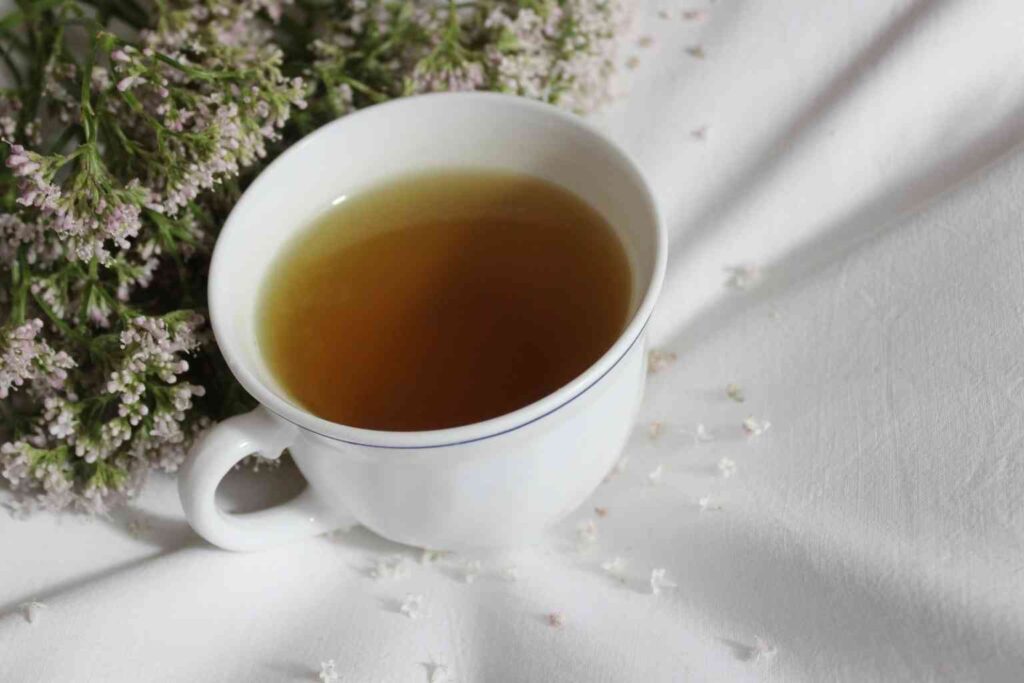
Valerian root tea is made by steeping 1–2 grams of dried root in hot water for 10–15 minutes. It’s the oldest preparation method and still widely used. The therapeutic effect is real, but the trade-offs compared to standardized extracts are significant.
The primary limitation of valerian root tea is dose consistency. The concentration of valerenic acid in dried root varies significantly depending on plant source, growing conditions, harvest timing, and storage. A cup of valerian root tea delivers far below the 300–600mg of standardized extract used in most clinical sleep trials.
For people with mild sleep difficulty or those using valerian as part of a relaxation ritual rather than a targeted therapeutic protocol, tea before bed is a pleasant and reasonable option. For those seeking the effects documented in RCTs, a standardized capsule is more predictable.
Tinctures — liquid extracts, typically 1–3ml diluted in water — fall between tea and capsules in concentration and consistency, and absorb slightly faster due to the liquid form.
How Does Valerian Root Work? The GABAergic Mechanism Explained
Valerian root operates on the same fundamental system that makes prescription sleep aids and anti-anxiety medications effective — the GABAergic system. GABA is the brain’s primary inhibitory neurotransmitter. When GABA activity is high, the nervous system slows down. Anxiety decreases. Sleep onset becomes easier. Muscle tension reduces.
The difference between valerian and pharmaceutical GABA modulators comes down to degree and mechanism. Benzodiazepines flood the GABA-A receptor with intense, fast-acting binding — reliable sedation, but also tolerance, dependence, and rebound insomnia over time. Valerian works more modestly and through at least four distinct pathways:
Valerenic acid inhibits GABA transaminase — the enzyme that degrades GABA — which raises baseline GABA concentrations in the brain without forcing receptor activation directly.
Direct GABA-A receptor binding has been observed in animal models and some human receptor studies. This is partial agonism, not the full binding seen with benzodiazepines.
Serotonin receptor modulation: valerian constituents appear to act as partial agonists at 5-HT2A receptors, influencing both mood and melatonin release. This partially explains why some users report improved mood alongside better sleep.
Antispasmodic effects via direct action on smooth muscle account for applications in menstrual cramps and digestive discomfort that go beyond the central nervous system.
The multi-pathway nature of valerian’s activity is both its strength and the reason its effects vary. In users where GABA deficiency drives poor sleep, the response tends to be clearer. In users whose sleep issues stem from circadian disruption or other causes, valerian may do relatively little.
Valerian Root Benefits: What the Research Actually Shows
Here’s what makes writing honestly about valerian root benefits difficult: the studies are real, the mechanisms are plausible, and the inconsistency is also real. Acknowledging that upfront doesn’t undermine the case for valerian root — it’s the only way to make it credibly.
The 2020 systematic review and meta-analysis in the Journal of Evidence-Based Integrative Medicine analyzed 60 studies (n=6,894) and concluded that valerian root could be “a safe and effective herb to promote sleep and prevent associated disorders.” But the same paper flagged that outcome variability was likely driven by differences in extract quality and standardization — not by valerian’s intrinsic potential.
That finding is the key to reading all valerian root research correctly. The ingredient works. Product quality determines whether that work gets done.
1. Valerian Root for Sleep and Insomnia: What 60 Studies Found
The 2020 meta-analysis in the Journal of Evidence-Based Integrative Medicine is the most comprehensive analysis of valerian root for sleep to date. Across 10 studies reporting subjective sleep quality, results supported improvement. Across 8 studies measuring anxiety reduction, outcomes were again positive. The authors noted that whole root preparations produced more consistent effects than isolated extracts — suggesting the full compound matrix matters more than any single active constituent.

Earlier meta-analytic work, including a review published in the American Journal of Medicine examining 16 RCTs (1,093 patients), found a statistically significant benefit in sleep quality outcomes — valerian users nearly doubled their reported sleep improvement rate compared to placebo. A relative risk of 1.8 (95% CI, 1.2–2.9) is not a trivial signal.
What the research does not show is reliable, dramatic, immediate sedation. Valerian root is not a sleeping pill. The more accurate framing: consistent use — particularly with standardized extracts over 2–4 weeks — helps the GABAergic system recalibrate toward calmer baseline activity, making sleep onset easier and nighttime waking less frequent. For adults with mild-to-moderate insomnia not driven by circadian disruption or underlying medical conditions, valerian root benefits in the sleep domain are the most evidence-supported of any application.
2. Valerian Root for Anxiety: A Natural Alternative to Benzos?
Valerenic acid acts on GABA-A receptors through partial agonism. That’s the same receptor mechanism benzodiazepines use — but without the pronounced sedative force, the tolerance development, or the dependency profile that makes benzos problematic for long-term anxiety management.

A systematic review by Harvard Medical School identified two separate studies showing valerian reduced stress levels in healthy participants. A separate RCT compared valerian combined with St. John’s Wort against diazepam in 100 anxiety patients, with outcomes that were broadly comparable for mild-to-moderate anxiety. That’s a striking data point — not because it means valerian replaces pharmaceutical treatment for clinical anxiety disorders, but because it confirms the GABAergic mechanism is genuinely functional at doses available in over-the-counter supplements.
The evidence for valerian root for anxiety is less robust than the sleep literature, partly because anxiety trials face more methodological complexity. But the mechanistic rationale is strong, and the safety profile makes it a rational option for situational anxiety, stress-driven sleep disruption, or as a complement to behavioral approaches.
Honest caveat: for diagnosable anxiety disorders, valerian root should be part of a broader conversation with a healthcare provider — not a standalone replacement for evidence-based treatment.
3. Valerian Root for Menopause and Hot Flashes
Hot flashes affect up to 80% of people going through menopause naturally, and up to 100% of those who’ve had their ovaries removed. For women who can’t or prefer not to use hormone therapy — due to cardiovascular risk, clotting history, or personal preference — natural options with clinical evidence are actively sought.

A 2013 RCT involving 68 menopausal women found that 255mg of valerian root taken three times daily for eight weeks significantly reduced both the frequency and severity of hot flashes compared to placebo. The proposed mechanism involves flavonoids like hesperidin and linarin, which interact with thermoregulatory pathways, alongside valerian’s established GABA modulation, which supports nighttime calm and mood stability.
That same GABAergic mechanism is relevant for the mood fluctuations and sleep disruption that accompany hormonal transition. Sleep fragmentation from night sweats is one of the most clinically impactful features of menopause — and valerian root’s strongest evidence base maps directly onto that problem.
4. Valerian Root for PMS and Menstrual Cramps
PMS affects roughly 90% of people who menstruate to some degree. For those with moderate-to-severe symptoms — cramping, mood instability, irritability, disturbed sleep in the luteal phase — natural options with an antispasmodic and GABAergic rationale are worth examining.
One RCT found that valerian root supplementation reduced the physical, emotional, and behavioral symptoms of PMS compared to placebo. The antispasmodic properties come from valerenic acid derivatives that act on smooth muscle — relaxing uterine contractions and inhibiting prostaglandin production that drives cramping.
This is an area where the evidence is promising but thin. Fewer studies have focused on PMS specifically than on sleep or anxiety. The mechanism is plausible, available trial findings are positive, and the safety profile is well-established. For women already using valerian root for sleep or anxiety who also experience PMS symptoms, it’s a benefit worth tracking across cycles.
5. Valerian Root for Restless Legs Syndrome
Restless legs syndrome (RLS) causes an irresistible urge to move the legs, typically worsening at night, directly disrupting sleep onset and maintenance. Conventional pharmaceutical treatments carry meaningful side effects for many patients.
An 8-week RCT found that 800mg of valerian per day improved RLS symptoms and reduced daytime sleepiness in affected patients. The proposed mechanism involves valerian’s role in GABAergic tone — RLS has been associated with altered dopamine and GABA signaling in the spinal cord. This connection is more specific than the general “calming herb” framing, and the dosage reference is clinically useful.
For people whose primary sleep problem is RLS-related rather than classic insomnia, that distinction matters. Valerian root benefits in this context have their own evidence base separate from general sleep support.
6. Valerian Root for Stress Relief and Daytime Anxiety
Most people think of valerian as a nighttime-only supplement. Understandable — its most visible use is as a sleep aid. But the GABAergic mechanism operates during waking hours too, and the research on daytime use for stress and anxiety is distinct from the sleep literature.
For daytime anxiety applications, the typical approach is lower doses — 100–200mg, two to three times daily — rather than the single higher dose used at bedtime. At these lower doses, sedative effect is minimal for most users, while the anxiolytic effect (reduced nervous system reactivity, lower tension) remains active.
The key practical distinction: valerian root for sleep uses 300–600mg taken 30–60 minutes before bed, where sedation is an acceptable outcome. Valerian root for daytime anxiety uses lower divided doses, where calming without sedation is the target. Most one-size-fits-all supplement dosing ignores this distinction entirely.
7. Valerian Root for Headaches: An Overlooked Use
Headache was among the earliest documented traditional uses of valerian, dating back to ancient Greek and Roman medical practice. Modern science has not produced the same volume of RCT evidence for headaches as for sleep or anxiety — that gap should be stated clearly upfront.
Tension-type headaches, the most common form, involve sustained muscle tension and heightened nervous system reactivity. Valerian’s smooth muscle relaxation properties and GABAergic calming effects address both pathways. A smaller body of research has explored valerian’s role in headache linked to anxiety and sleep disruption, where cause and effect are circular: poor sleep worsens headache threshold, and chronic headache disrupts sleep. For that overlap specifically, valerian root’s multi-system mechanisms make it a plausible supportive option. But headache as a standalone application remains the weakest area of clinical evidence in the valerian portfolio.
Valerian Root vs. Melatonin: Two Different Problems, Two Different Tools
This comparison comes up constantly, and it’s almost always framed as the wrong question — “which one is better for sleep?” They solve different problems.
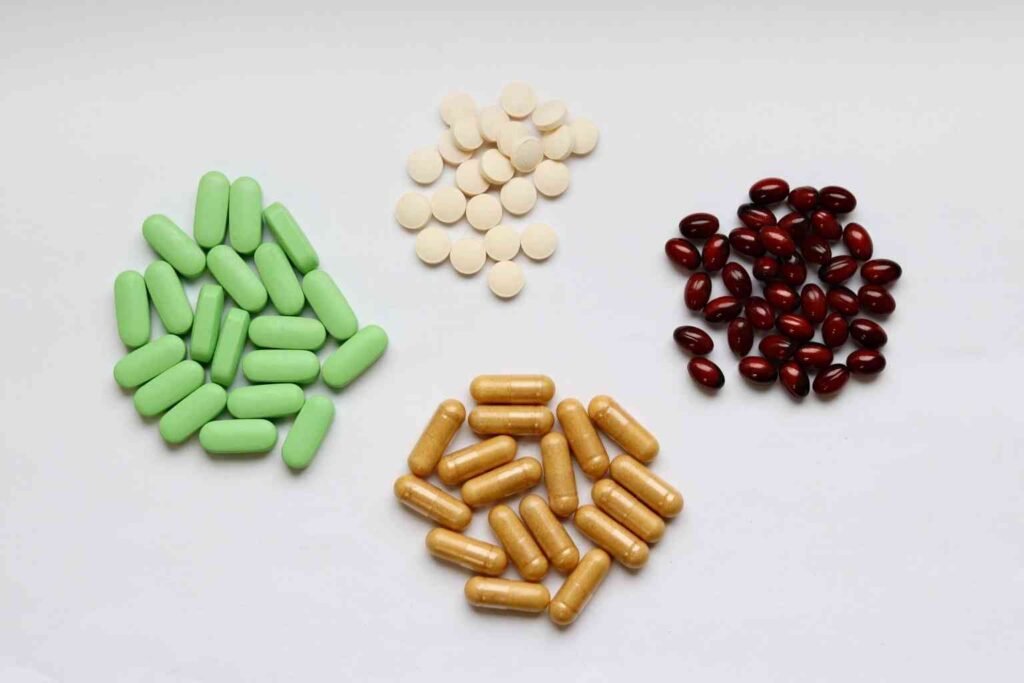
Melatonin regulates the timing of sleep. It signals to the brain that nighttime has arrived and the circadian clock should shift toward sleep mode. It’s most effective for jet lag, shift work, and delayed sleep phase — situations where the body’s clock is misaligned with desired sleep time. It doesn’t meaningfully improve sleep architecture or reduce nighttime waking in people who fall asleep at the right time but sleep poorly.
Valerian root addresses the quality and ease of sleep through GABAergic modulation. It reduces sleep latency, decreases nighttime arousal, and improves subjective sleep quality — particularly in people whose poor sleep stems from a nervous system that won’t downregulate properly at night. It doesn’t shift the circadian clock.
Someone who lies awake for an hour before falling asleep, thinks anxiously, feels physically tense, and wakes frequently is a better candidate for valerian root. Someone who feels genuinely sleepy at 9 PM but needs to sleep at midnight, or who struggles after crossing time zones, is a better candidate for melatonin.
Some sleep disruption involves both problems. In those cases, both tools might be relevant — but they’re doing completely different jobs.
Who Benefits Most from Valerian Root?
Valerian root isn’t a universal sleep solution. Matching the mechanism to the problem matters more than any single ingredient recommendation.
The clearest beneficiaries in the evidence base are adults with mild-to-moderate insomnia driven by an overactive nervous system — difficulty winding down, anxious thoughts at bedtime, physical tension that doesn’t resolve at night. These are the cases where GABA modulation has the most direct application. Adults managing stress-driven sleep disruption — not clinical insomnia, but the kind of poor sleep that follows sustained pressure at work, life transitions, or situational anxiety — also fit the mechanism well. The short-term safety profile and low side effect burden make valerian root a rational first step before pharmaceutical sleep aids for this group. Adults with restless legs syndrome who’ve found conventional options unsatisfactory, and those managing menopausal symptom clusters that include sleep and mood disruption, round out the profile.
Valerian Root Benefits for Women Over 50
The convergence of issues that often arrives in the decade around menopause — fragmented sleep, nighttime hot flashes, elevated anxiety, and mood instability — maps closely onto valerian root’s documented mechanisms. No single supplement addresses all of these simultaneously with strong evidence. But valerian’s profile touches each one through overlapping pathways: GABA for sleep and anxiety, flavonoids for hot flash reduction, 5-HT2A modulation for mood support.

A 2011 randomized placebo-controlled clinical trial in Menopause (n=100 postmenopausal women with insomnia) found that 530mg valerian extract taken twice daily for four weeks significantly improved sleep quality compared to placebo, with no adverse effects reported. For women over 50 navigating these overlapping issues, valerian root benefits are more comprehensive than the “sleep herb” label suggests — and the clinical evidence for this population specifically is among the stronger segments of the literature.
Valerian Root in Modern Supplements
The global valerian root supplement market reached an estimated $500 million in 2025, with a projected 7% compound annual growth rate through 2033 — driven by rising demand for natural sleep and anxiety support across adult demographics.
In modern formulations, valerian root rarely appears alone. The 2020 systematic review specifically noted that valerian produces more reliable effects when combined with appropriate herbal partners, and that synergistic combinations tend to outperform single-herb preparations. Common pairings include hops (Humulus lupulus), passionflower, lemon balm, and magnesium — each addressing overlapping but distinct mechanisms.
What to look for when evaluating a product: standardization to valerenic acid (0.8% or higher), transparency on per-ingredient dosing, and a clear rationale for any additional ingredients rather than a kitchen-sink formulation approach.
Sleep Lean — Valerian Root Combined With Sleep-Synergy Ingredients
Sleep Lean is a nighttime supplement built around valerian root as a foundational ingredient, alongside hops (Humulus lupulus), 5-HTP from Griffonia simplicifolia, berberine, spirulina, black cohosh, lutein, and inulin. The combination is designed around complementary mechanisms — valerian and hops both operate through GABAergic pathways, with evidence showing the combination outperforms either alone in several trials, while 5-HTP supports serotonin and melatonin production upstream, and black cohosh addresses menopause-related hormonal disruption through a separate pathway entirely.
The valerian-hops pairing in particular has direct clinical support. Multiple RCTs have shown the combination improves sleep quality more consistently than valerian alone — which aligns with what the broader meta-analytic literature says about synergistic herbal stacks outperforming isolated single ingredients.
For readers interested in how valerian root performs within a full sleep-support formula — specifically one designed around the kind of nighttime metabolic and hormonal context where valerian’s benefits are most relevant — the ingredient analysis in the complete review goes considerably deeper.
Read the full Sleep Lean review here.

How Long Does Valerian Root Take to Work?
This is one of the most misunderstood aspects of valerian root supplementation — and one of the most important to get right before starting a protocol, because getting it wrong leads to premature discontinuation.
Valerian root produces two distinct types of response: acute effects (within a single dose) and cumulative effects (after 2–4 weeks of consistent use). Most of the research that demonstrates meaningful, reliable improvement involves the cumulative model. The 28-day study referenced in the NIH’s Health Professional Fact Sheet on valerian specifically noted that the difference between valerian and placebo increased between days 14 and 28 — meaning the benefit was still growing at the end of the trial window.
The acute effect is real but modest. A single dose of 300–600mg may produce mild relaxation and slightly reduced sleep latency for some users, particularly those who are sensitive to GABA modulation. For others, a single dose produces nothing noticeable — which leads many people to conclude valerian root “doesn’t work” before the cumulative mechanism has had time to establish.
Valerian is more like a daily magnesium protocol than a dose of melatonin. The effect builds through consistent supplementation, not through on-demand sedation.
Does Valerian Root Work the First Night?
For most people: not dramatically. Some users do report noticeably easier sleep onset from the first dose — likely those with acute anxiety-driven insomnia where the acute GABAergic effect has the most direct impact. But the data from longer trials tells a more accurate story: the benefit is cumulative, and banking on first-night results sets up most users for premature discontinuation before the mechanism has time to work.
A realistic starting protocol: 300–450mg of standardized extract, taken 30–60 minutes before bed, for a minimum of three to four weeks before evaluating effectiveness.
Valerian Root Dosage, Timing, and Safety
Recommended Dosage by Goal
Dosage ranges in the valerian root research literature are wide — from 225mg to over 1,200mg per day — reflecting both diverse applications and variability in extract standardization across studies. The ranges with the clearest clinical support:
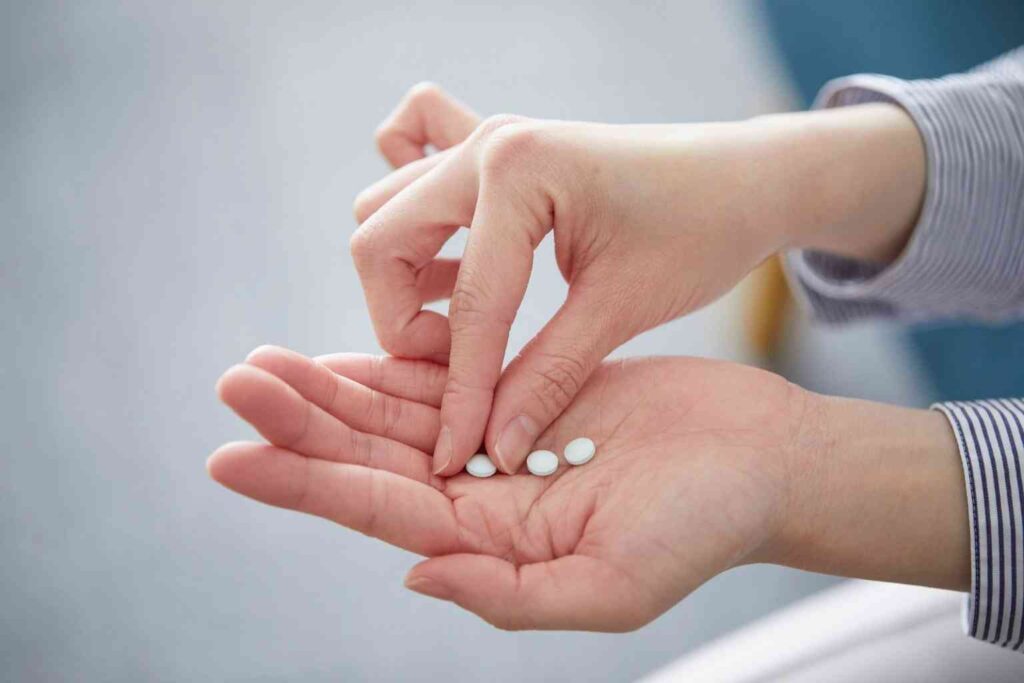
For sleep and insomnia: 300–600mg of standardized extract (0.8% valerenic acid), taken 30–60 minutes before bed. This is the most consistently studied range and the target used in the strongest positive trials.
For anxiety and daytime stress: 100–200mg, two to three times daily. Lower doses avoid sedation while maintaining anxiolytic activity.
For menopause symptoms: 255–530mg, two to three times daily, with effects on hot flashes and sleep disruption observed in trials from four to eight weeks.
For restless legs syndrome: 800mg per day, based on the 8-week RCT referenced in the benefits section.
For PMS: 100mg, three times daily during the luteal phase, based on available trial data.
Always begin at the lower end of any range if you’re new to valerian root — individual sensitivity varies considerably, and response patterns are easier to track with a conservative starting point.
Valerian Root Side Effects and Next-Day Drowsiness
The safety record for valerian root is one of the strongest in the herbal supplement space. The 2020 systematic review covering 60 studies and nearly 7,000 participants found no severe adverse events associated with valerian use in subjects aged 7 to 80.
Mild side effects reported in some trials include vivid dreams (in approximately 16% of participants in one RCT), occasional headache, dizziness, and gastrointestinal discomfort at higher doses. These are generally transient and dose-dependent.
Next-day grogginess is the concern most people raise before starting. The clinical data is reassuring: multiple studies specifically testing psychomotor and cognitive function the morning after valerian use found no impairment at doses up to 1,600mg. Valerian was explicitly shown to be safer in this regard than triazolam, temazepam, and diphenhydramine — three conventional sleep aids routinely associated with next-day sedation. Individual response still varies, so starting at 300mg before moving to higher doses is the practical approach.
Can You Take Valerian Root Every Night?
Short-term nightly use of up to four to six weeks is well-documented and consistently shown to be safe in clinical trials. The research on use beyond this window is thinner — not because problems have been observed, but because longer-term trials haven’t been completed at scale.

Unlike benzodiazepines, valerian does not produce documented tolerance or rebound insomnia in the trial literature. The conservative guidance from herbal medicine practitioners — four to six weeks on, one to two weeks off — reflects the absence of long-term data rather than evidence of risk. That distinction matters.
Valerian Root Drug Interactions and Precautions
The interactions worth understanding before starting:
Benzodiazepines and sedatives: additive CNS depression. Taking valerian root alongside Valium, Xanax, Ativan, or similar drugs amplifies sedation unpredictably. Avoid the combination without physician guidance.
Opioids and muscle relaxants: similar additive sedation risk. Valerian combined with codeine, morphine, cyclobenzaprine, or tizanidine requires medical supervision.
Alcohol: potentiates the sedative effect. Not a combination to use intentionally.
Anticonvulsants: theoretical interaction via GABAergic modulation. Discuss with a prescribing physician before use.
Safe and potentially synergistic combinations: Magnesium (glycinate or threonate forms particularly) supports GABA production upstream and complements valerian root’s receptor-level effects without sedative amplification concerns. Hops and passionflower appear in clinical trials alongside valerian with consistent safety and additive benefit. Lemon balm combinations have also shown positive results in RCTs.
Who should avoid valerian root: pregnant or breastfeeding individuals (insufficient safety data), children under three years old, and anyone scheduled for surgery or anesthesia within two weeks due to potential interaction with anesthetic agents.
Frequently Asked Questions About Valerian Root
How long does valerian root take to work for sleep?
Acute effects within a single dose are possible but inconsistent — some users feel relaxation within an hour, others notice nothing. Reliable, meaningful improvement in sleep quality is most documented after two to four weeks of nightly use. Multiple clinical trials show the benefit still growing at the end of 28-day study periods, which means patience with the cumulative mechanism is more important than first-night results.
Can I take valerian root every night without becoming dependent?
Current evidence does not show dependency, tolerance, or rebound insomnia with valerian root use — a meaningful distinction from benzodiazepines and even some OTC sleep aids like diphenhydramine. Standard guidance recommends four to six week courses followed by short breaks, not because dependency has been observed, but as a conservative default given the limited long-term trial data available.
Does valerian root work immediately or does it need time to build up?
Both, depending on what “work” means. A mild relaxation effect is possible from a single dose, particularly in people with acute anxiety-driven sleep difficulty. The full therapeutic benefit on sleep quality, sleep latency, and nighttime waking builds over two to four weeks of consistent use. Plan for cumulative effects rather than on-demand sedation, and evaluate at the four-week mark rather than after the first few nights.
What is the best valerian root dosage for sleep in adults?
The most consistently studied and effective range for sleep is 300–600mg of standardized extract, taken 30–60 minutes before bed. Standardization to valerenic acid (0.8% or higher) matters more than raw milligram count. A standardized 300mg extract may deliver more active compound than a non-standardized 600mg dried root capsule — reading the label for standardization information is the step most buyers skip.
Is valerian root safe to take long-term?
Evidence through four to six weeks of daily use is solid and shows no serious adverse events across thousands of trial participants. Long-term data beyond two to three months is limited — not because problems have been found, but because longer trials haven’t been completed at scale. Until that data exists, cycling with periodic breaks is the approach most herbal medicine practitioners recommend as a precaution.
Valerian root vs. ashwagandha: which is better for anxiety?
They act on different systems. Valerian root works primarily through GABAergic modulation — reducing nervous system excitability at the receptor level. Ashwagandha reduces cortisol output via HPA axis regulation — addressing the hormonal stress response upstream. For anxiety that shows up as a wired, can’t-shut-off-the-brain pattern at night, valerian root may be more directly relevant. For anxiety that manifests as burnout, fatigue, and stress-induced hormonal dysregulation, ashwagandha has stronger clinical evidence. Many practitioners combine both precisely because they address different parts of the same problem.
Can I take valerian root for anxiety during the day?
Yes, with dose adjustment. Daytime anxiety use typically involves 100–200mg, two to three times daily — doses that produce calming without meaningful sedation. The full 300–600mg nighttime dose is not appropriate during waking hours for most people. If you’re new to valerian root for daytime use, 100mg once or twice daily is a reasonable starting point before increasing.
Does valerian root cause next-day grogginess or drowsiness?
Clinical trials specifically testing cognitive and psychomotor function the morning after valerian use found no impairment at doses up to 1,600mg. Valerian root was explicitly shown to be safer in this regard than common OTC sleep aids and benzodiazepines. A small percentage of users still report morning drowsiness, particularly at higher doses. Starting at 300mg and adjusting based on personal response is the practical approach.
Can valerian root help with menopause symptoms beyond sleep?
Yes. The 2013 RCT in menopausal women found valerian root reduced both the frequency and severity of hot flashes — a benefit operating through a separate pathway from sleep support. The proposed mechanism involves flavonoids (hesperidin, linarin) that interact with thermoregulatory signaling, alongside valerian’s established GABA modulation for mood and nighttime nervous system calm. For women managing hot flashes, sleep disruption, and anxiety simultaneously, valerian root benefits across these overlapping areas are broader than most product descriptions acknowledge.
Can I take valerian root with magnesium?
Yes — this is one of the more clinically rational pairings available. Magnesium (glycinate or threonate particularly) supports GABA production upstream while valerian acts at the receptor level. They work through complementary but non-duplicative pathways with no documented adverse interaction. The combination is especially relevant for adults over 40, where dietary magnesium insufficiency is common and contributes to both sleep disruption and nervous system excitability independently.
The Bottom Line on Valerian Root
Valerian root benefits are real — but they’re not unconditional. The ingredient has 2,000 years of traditional use, a plausible multi-pathway mechanism, and a growing body of clinical evidence supporting applications in sleep, anxiety, menopause, PMS, and restless legs syndrome. The evidence is strongest for sleep and anxiety. The safety profile across thousands of trial participants is consistently favorable.
The inconsistency in study outcomes doesn’t undermine the case for valerian root. It explains it. Extract quality, standardization, and duration of use determine whether the clinical benefits documented in positive trials translate to real-world results. A non-standardized dried root powder and a valerenic acid-standardized hydroalcoholic extract are not the same product — even when the label says “valerian root.”
For adults dealing with mild-to-moderate insomnia, stress-driven sleep disruption, menopausal symptom overlap, or anxiety that doesn’t require pharmaceutical intervention, valerian root represents one of the better-evidenced botanical options available. Set expectations for cumulative effects over two to four weeks, choose a standardized extract, and consider formulations that pair valerian root with complementary ingredients for potentially more consistent outcomes.
If you want to see how valerian root performs within a complete nighttime formula built around synergistic sleep mechanisms, the full ingredient breakdown is worth reading.
Read the full Sleep Lean review here.
Disclaimer: The content on this page is for informational and educational purposes only and is not intended to diagnose, treat, cure, or prevent any disease or health condition. Valerian root is a dietary supplement and has not been evaluated by the Food and Drug Administration for any medical use. Individual results vary. Always consult a qualified healthcare professional before starting any new supplement, particularly if you are pregnant, breastfeeding, taking prescription medications, or managing a health condition. Do not use this content as a substitute for professional medical advice.