Green tea is one of the most consumed beverages on the planet — and for centuries, Asian cultures attributed extraordinary health-promoting properties to it. Today, science has done something ancient tradition couldn’t: it’s identified exactly which compounds are responsible, measured what they do at the cellular level, and run them through hundreds of clinical trials. The results are more nuanced than either the enthusiasts or the skeptics tend to admit.
Green tea extract — a concentrated form of green tea’s active compounds, primarily EGCG (epigallocatechin gallate) — is now one of the most researched natural ingredients in the supplement world. It appears in formulas targeting everything from weight loss and metabolism to brain health, cardiovascular protection, and hearing support. In this guide, we examine what the evidence actually shows: where it’s strong, where it’s still developing, and what realistic expectations look like for people considering it as part of their daily routine.
What Is Green Tea Extract? From Leaf to Supplement
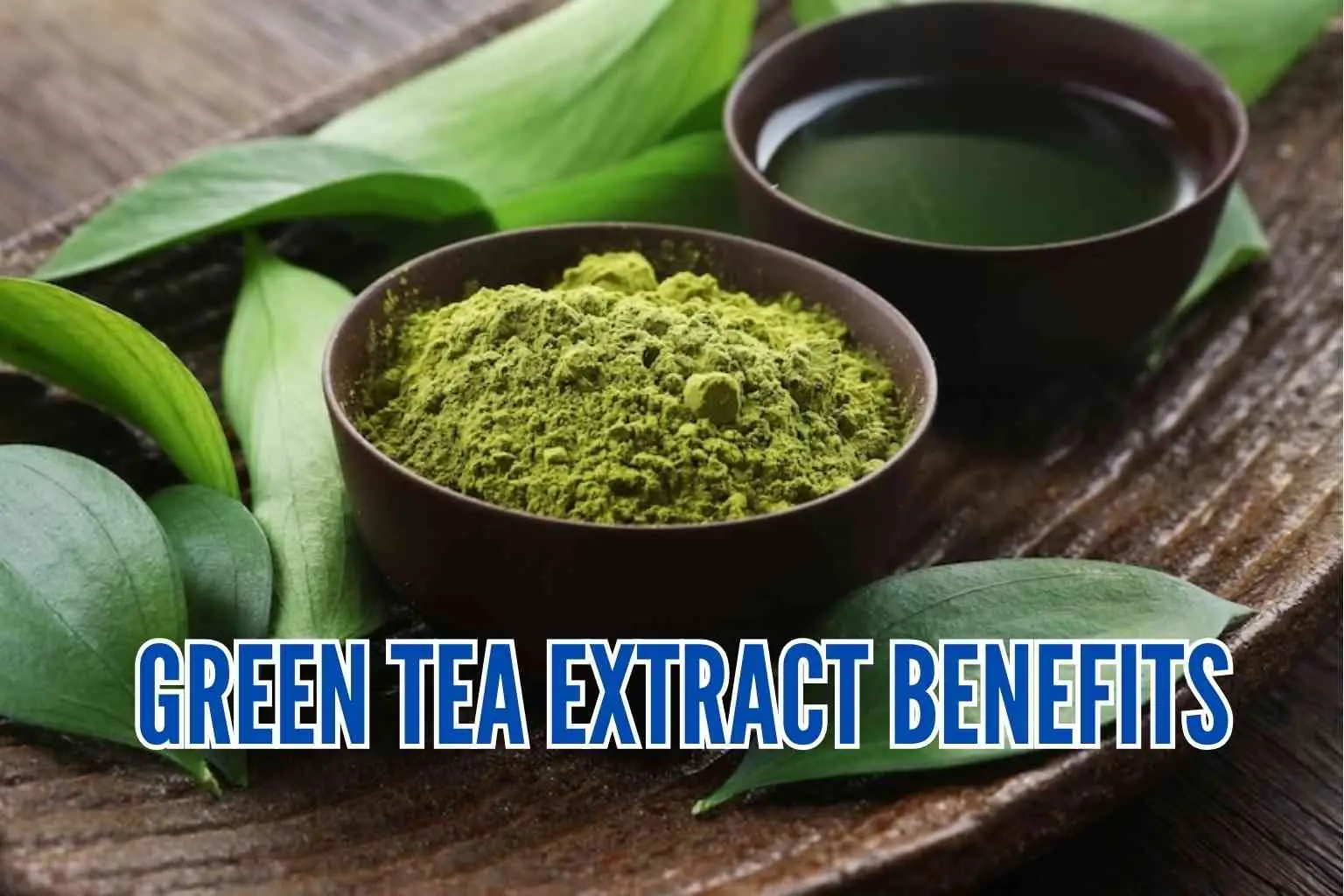
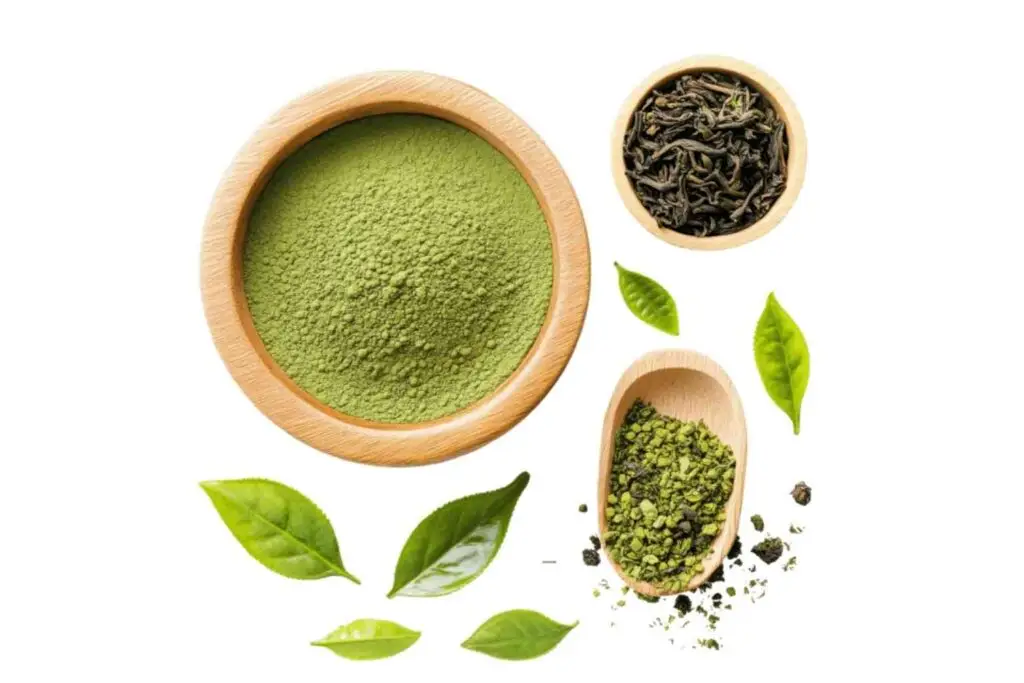
Green tea comes from Camellia sinensis, an evergreen shrub native to East Asia. Unlike black tea — which is fully oxidized during processing — green tea leaves are minimally processed, preserving the maximum concentration of naturally occurring polyphenols. Green tea extract is simply a concentrated form of those polyphenols, typically standardized to contain specific amounts of catechins, the antioxidant compounds that account for most of the plant’s bioactivity.
The catechin family includes several compounds — epicatechin (EC), epigallocatechin (EGC), epicatechin gallate (ECG), and the most studied of them all: epigallocatechin gallate (EGCG). EGCG makes up roughly 50–80% of the catechin content in green tea extract and is responsible for the majority of the effects attributed to green tea in the scientific literature. Most quality green tea extract supplements are standardized to 50% EGCG content, with typical effective doses of 400–500mg EGCG equivalent per day.
Beyond catechins, green tea extract also contains L-theanine — an amino acid unique to the tea plant that modulates how caffeine affects the brain — along with modest amounts of caffeine itself, chlorogenic acid, quercetin, and a range of other polyphenols that contribute to its antioxidant and anti-inflammatory profile.
How Does Green Tea Extract Work? Key Mechanisms
Green tea extract’s broad range of effects comes from several overlapping biological mechanisms. Understanding them helps explain why this single ingredient shows up across such different health categories.
AMPK activation is one of the primary mechanisms. EGCG, like berberine, can activate AMP-activated protein kinase — the cellular enzyme that acts as a metabolic regulator. When AMPK is activated, it promotes fat oxidation, improves insulin sensitivity, and suppresses processes that promote fat storage. This is the core of green tea extract’s metabolic and weight-related effects.
Catechol-O-methyltransferase (COMT) inhibition is a second important pathway. COMT is an enzyme that breaks down norepinephrine — a hormone involved in thermogenesis (heat production and calorie burning). By inhibiting COMT, EGCG allows norepinephrine to act longer, extending the period during which the body burns calories at an elevated rate. This synergizes with caffeine, which also promotes norepinephrine release — explaining why the combination of EGCG and caffeine is more effective for fat metabolism than either compound alone.
Blood-brain barrier permeability is what makes green tea extract particularly relevant for cognitive health. EGCG is one of the few large polyphenolic molecules that can cross the blood-brain barrier in meaningful amounts. Once in the brain, it neutralizes free radicals, reduces neuroinflammation, supports the production of brain-derived neurotrophic factor (BDNF), and has been shown to inhibit the formation of amyloid-beta plaques associated with Alzheimer’s disease.
Vascular and endothelial support rounds out the mechanism picture. Green tea catechins improve nitric oxide bioavailability, which relaxes blood vessels and improves circulation. Better blood flow benefits not only cardiovascular health but also oxygen and nutrient delivery to the brain and inner ear — helping to explain why green tea extract appears in formulas targeting cognitive performance and hearing support.
Green Tea Extract Benefits: What Research Shows Across Five Key Areas
1. Metabolism and Weight Management
This is the most commercially prominent application of green tea extract — and the science is real, though often overstated. A systematic review and dose-response meta-analysis published in the British Journal of Nutrition analyzed 59 eligible randomized controlled trials and found that green tea extract supplementation produced statistically significant reductions in body mass, BMI, body fat percentage, and waist circumference. The pooled effect on body weight was approximately -0.64 kg on average — modest but consistent across studies.
The important nuance is that these effects are dose-dependent and synergistic with caffeine. Significant fat metabolism effects are generally observed at 400–500mg of EGCG equivalent per day, and the combination with caffeine appears to amplify thermogenic effects considerably. For people who habitually consume a lot of caffeine, the metabolic effect of EGCG supplementation may be attenuated — suggesting that it’s most effective when caffeine intake is moderated.
2. Brain Health and Cognitive Protection
Green tea extract’s neuroprotective properties represent some of its most compelling and well-mechanized research. A randomized controlled trial at the University of Basel found that green tea extract significantly increased connectivity between the frontal and parietal regions of the brain — areas critical for working memory — as measured by MRI during cognitive tasks. Participants taking green tea extract showed measurably better working memory performance compared to placebo.
On the longer-term protection side, multiple large epidemiological studies have found that regular green tea consumption is associated with reduced risk of cognitive decline, dementia, and Alzheimer’s disease. In a 2019 systematic review examining multiple observational studies, researchers found consistent links between higher green tea intake and reduced risk of age-related brain decline, though the available data remains heterogeneous. EGCG’s ability to inhibit beta-amyloid accumulation and tau protein aggregation — two of the primary mechanisms behind Alzheimer’s pathology — provides a biological basis for these epidemiological observations.
3. Cardiovascular Health
Green tea extract shows its clearest and most reproducible benefit in lipid profiles. Multiple large randomized controlled trials and meta-analyses confirm modest but consistent reductions of approximately 2–5% in LDL and total cholesterol with regular green tea catechin supplementation. These effects are mediated by EGCG’s ability to inhibit the intestinal absorption of dietary cholesterol and its antioxidant protection of LDL particles from oxidative modification — a key step in arterial plaque formation.
Beyond cholesterol, green tea extract supports blood pressure through its effects on nitric oxide availability and vascular tone. A meta-analysis of green tea intervention studies found meaningful reductions in both systolic and diastolic blood pressure in participants with elevated baseline readings, with more pronounced effects in longer-duration trials.
4. Antioxidant Protection and Inflammation
Free radical damage — oxidative stress — is a driver of accelerated aging, chronic disease, and cellular dysfunction across virtually every organ system. EGCG is among the most potent plant-based antioxidants identified in nature, with an oxygen radical absorbance capacity (ORAC) score significantly higher than most common dietary antioxidants, including vitamin C and vitamin E.
Beyond direct antioxidant activity, green tea catechins modulate inflammatory pathways by inhibiting NF-kB signaling and reducing pro-inflammatory cytokines including TNF-alpha and interleukin-6. This anti-inflammatory action is particularly relevant for people dealing with chronic low-grade inflammation — which underlies metabolic syndrome, insulin resistance, and early cardiovascular disease.
5. Vascular and Circulation Support
EGCG and other green tea catechins improve endothelial function — the health and responsiveness of the cells lining blood vessels — by increasing nitric oxide production and reducing oxidative stress on vessel walls. This vascular support has relevance not only for cardiovascular health but also for any organ or tissue that depends on efficient blood flow: the brain, the inner ear, and exercising muscle tissue all benefit from improved microcirculation.
The proanthocyanidins in green tea also protect blood vessel integrity from oxidative damage, helping to maintain the structural health of the vascular system over time. This mechanism is part of why green tea extract frequently appears in formulas targeting both cognitive performance and hearing health.
Who Can Benefit Most from Green Tea Extract?
• People focused on metabolic health and weight management — particularly those who want a natural thermogenic without a heavy stimulant burden
• Adults over 40 concerned about cognitive aging — especially those looking for daily neuroprotective support backed by clinical research
• Anyone dealing with elevated LDL or cardiovascular risk markers — where the lipid-lowering effects are among the most consistently replicated benefits
• People experiencing auditory stress or hearing fatigue — where green tea’s vascular and antioxidant support contributes to inner ear protection
• Those seeking broad antioxidant and anti-inflammatory coverage — green tea extract offers one of the widest-spectrum natural antioxidant profiles available in supplement form
Green Tea Extract in Modern Supplements: Four Products Across Four Niches
What makes green tea extract strategically versatile is the same thing that makes its research so broad: EGCG’s multi-system mechanisms allow it to contribute meaningfully to formulas targeting brain health, hearing support, weight loss, and metabolic balance — in different ways each time.
For Brain Health and Cognitive Protection
Green tea extract is one of the key ingredients in Neuro Serge, a brain health supplement designed for adults over 35 experiencing cognitive slowdown. Within this formula, EGCG contributes its blood-brain barrier-crossing antioxidant protection and its documented effects on working memory and cerebral blood flow connectivity. It works alongside Olive Leaf Extract, Bilberry, and Grape Seed Extract in what is essentially a comprehensive antioxidant shield for neural tissue — each ingredient protecting a different aspect of brain aging.

For Hearing Health and Inner Ear Protection
In Audifort, a liquid hearing support formula, green tea extract contributes its vascular and antioxidant properties to a formula built around inner ear health. The inner ear is exquisitely sensitive to oxidative stress and blood flow disruption — and those two mechanisms are precisely where green tea’s EGCG compounds provide relevant protection. Its role here is less about any direct auditory mechanism and more about maintaining the circulatory and cellular environment that healthy hearing depends on.

For Metabolism and Weight Support
Metabo Drops is a liquid metabolism formula designed to be added to coffee — and green tea extract’s Camellia sinensis-derived compounds are a core ingredient in its formula. In the context of Metabo Drops, green tea extract works synergistically with coffee’s caffeine content to amplify thermogenesis and fat oxidation — the exact combination that research shows produces the strongest metabolic effects. The liquid format also potentially supports faster absorption of the catechin compounds.
For Stimulant-Free Fat Burning and Metabolic Balance
In CitrusBurn, green tea extract is positioned as part of a broader thermogenic-plus-metabolic stack alongside berberine, Korean red ginseng, and Seville orange peel. Here, green tea’s EGCG contributes to both the calorie-burning side (thermogenesis) and the metabolic support side (blood sugar and lipid effects) — making it one of the more multidimensional ingredients in that formula.

Dosage, Safety, and Important Precautions
Effective research dosage: The most consistent metabolic and weight effects in research are observed at 400–500mg of EGCG equivalent per day, often divided into two doses. Most quality green tea extract supplements provide approximately 250–500mg per serving, standardized to 50% EGCG. Taking it with food significantly reduces the risk of gastrointestinal discomfort and — critically — reduces the risk of liver toxicity associated with high doses taken on an empty stomach.
Critical safety note on dosage: This is the most important safety consideration for green tea extract. High doses of EGCG — particularly at or above 800mg per day — have been associated with elevated liver enzymes and, in rare cases, liver damage. The European Food Safety Authority (EFSA) identifies 800mg EGCG/day as the threshold above which liver damage risk becomes meaningful. Standard supplement doses (250–500mg) appear safe for most people, but exceeding recommended doses substantially increases risk. Always take green tea extract with food, not on an empty stomach.
Key precautions and interactions:
• Green tea extract contains caffeine. While amounts vary by product, people sensitive to caffeine or already consuming significant amounts should account for total daily intake.
• EGCG can interfere with folate metabolism. Pregnant women should not take green tea extract supplements.
• Green tea extract may interact with certain medications including anticoagulants (warfarin), blood pressure medications, and some cholesterol-lowering drugs. Consult your doctor if you are on any prescription medications.
• People with liver conditions should avoid high-dose green tea extract supplements and discuss any supplementation with their healthcare provider.
• The fat-oxidation benefits are most pronounced in people who are not habitual high-caffeine consumers, as chronic caffeine use downregulates some of the thermogenic pathways EGCG relies on.
Frequently Asked Questions About Green Tea Extract
Is green tea extract better than drinking green tea?
Extract provides more concentrated and standardized doses of EGCG than most brewed green tea. A typical cup of green tea contains roughly 50mg of EGCG equivalent, while clinical research on metabolic and cognitive benefits has typically used 400–500mg per day. That would require eight to ten cups of tea daily — which is impractical and would deliver a significant caffeine load. Extract supplements bridge this gap efficiently.
How long does green tea extract take to work?
Early antioxidant effects occur almost immediately upon absorption. Measurable changes in metabolic markers and cholesterol levels typically become apparent after four to eight weeks of consistent supplementation. Cognitive benefits from regular use — including the neuroprotective effects on brain aging — are cumulative and develop over months rather than weeks.
Can I take green tea extract if I already drink coffee?
Yes, but with awareness. Green tea extract contains caffeine, and combining it with multiple cups of coffee can push total daily caffeine intake into ranges that cause anxiety, disrupted sleep, or elevated heart rate for sensitive individuals. It’s also worth noting that habitual high caffeine intake reduces the thermogenic synergy between EGCG and caffeine — so the weight management benefits may be less pronounced if you’re already a heavy coffee drinker.
Does green tea extract cause liver damage?
At typical supplemental doses (250–500mg EGCG per day), taken with food, liver toxicity is rare. The association with liver damage comes primarily from very high doses (800mg+ per day) taken on an empty stomach, or from products with poor quality control. Following dosage guidelines, taking supplements with meals, and choosing products from reputable manufacturers substantially mitigates this risk. If you notice any symptoms of liver stress (nausea, abdominal pain, yellowing of skin), stop use and consult a doctor.
What is the difference between green tea extract and matcha?
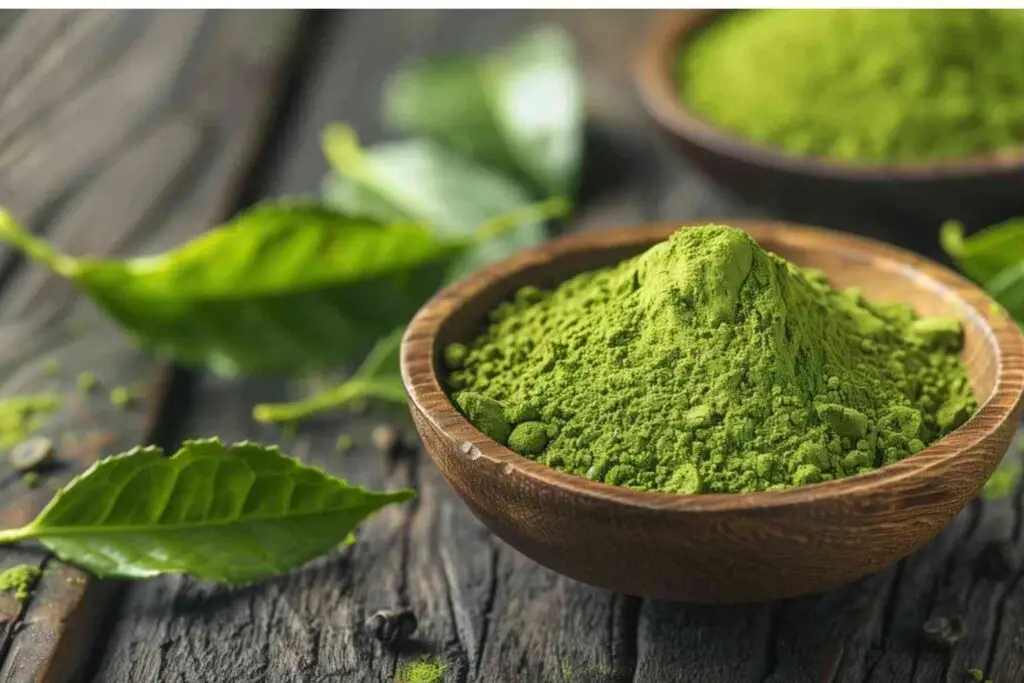
Matcha is a powdered whole-leaf green tea, consumed as a beverage. Green tea extract is a concentrated, standardized extract of the active compounds from green tea leaves. Matcha contains a broader nutritional profile (fiber, chlorophyll, proteins) but at lower concentrations of catechins per gram. Green tea extract supplements deliver higher, more consistent doses of EGCG and other catechins — making them more suitable for therapeutic applications.
The Bottom Line on Green Tea Extract
Green tea extract occupies an unusual position in the supplement landscape: it has centuries of traditional use, one of the most extensive modern clinical research profiles of any botanical ingredient, and mechanisms that span multiple organ systems simultaneously. The weight management benefits are real and consistent, though modest in isolation. The brain health and neuroprotective evidence is genuinely compelling. The cardiovascular effects on LDL and blood pressure are among the most reproducible in botanical supplement research.
The key caveats are equally real. EGCG at high doses carries liver toxicity risk — which is why taking it with food and staying within researched dose ranges is non-negotiable. And the metabolic effects are most meaningful when combined with caffeine and when baseline caffeine intake isn’t already very high.
For those who want to explore how green tea extract functions within a complete multi-ingredient formula, our reviews of Neuro Serge, Audifort, Metabo Drops, and CitrusBurn each break down how it’s positioned alongside complementary ingredients — and what users in each context are actually experiencing.
Disclaimer: This article is for informational and educational purposes only and does not constitute medical advice. Always take green tea extract with food. If you have a liver condition, are pregnant, or take prescription medications, consult a qualified healthcare provider before starting supplementation.