

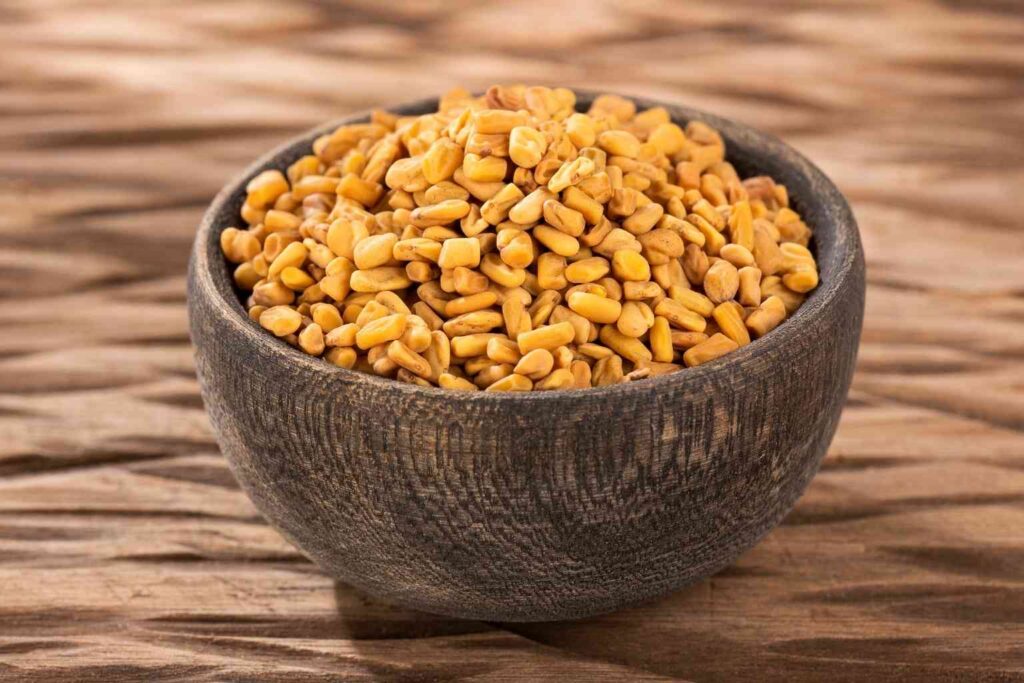
If you started taking fenugreek and noticed a sweet, syrupy odor in your sweat or urine, you are not imagining it. The fenugreek maple syrup smell is one of the most commonly reported side effects of this supplement, and it has a direct biochemical explanation. The compound responsible is sotolona — a volatile organic molecule naturally present in fenugreek seeds that your body absorbs, metabolizes, and excretes through sweat glands and the urinary tract. The resulting odor is chemically identical to artificial maple syrup flavoring because sotolona is the same compound used to produce it.
It is entirely harmless. The smell typically appears within a few hours of the first dose and disappears within one to two days of stopping supplementation.
What the Research Shows About Fenugreek Maple Syrup Smell
Sotolona has been identified in controlled analytical studies as the primary odorant responsible for the characteristic fenugreek maple syrup smell in both sweat and urine. It is water-soluble, which means the body processes and eliminates it efficiently without accumulation or metabolic stress.
The intensity of the effect is dose-dependent. Individuals following the 5–10g whole seed powder protocols used in blood sugar research tend to notice it more strongly than those taking standard 500–600mg standardized extracts. At extract doses, many users report mild or barely perceptible odor. You can find a detailed breakdown of fenugreek dosing by goal in the complete fenugreek benefits guide.
One scenario worth knowing: nursing mothers who take fenugreek may notice the fenugreek maple syrup smell in their infant’s urine as well. This is not dangerous, but it can be confused with maple syrup urine disease — a rare metabolic disorder that produces a similar odor. Any nursing mother noticing this in her baby should mention it to a pediatrician to rule out that condition, even though the supplement connection is almost always the explanation.
Women taking fenugreek for gut-skin health or hormonal balance during perimenopause will recognize this effect as well. The full review of PrimeBiome covers how fenugreek fits within that formula’s gut-skin axis approach — and what to realistically expect from daily use, including this side effect.
Factors That Affect How Strong the Fenugreek Maple Syrup Smell Gets
Not everyone who takes fenugreek notices the odor. Several variables determine whether it appears and how intense it is.
Dose and form. Whole seed powder at high doses produces the strongest sotolona excretion. Standardized extracts at 500–600mg per day typically result in a milder or unnoticeable effect for most users.
Individual metabolism. How quickly your body processes sotolona varies. Some people report the smell after a single dose; others on daily supplementation never notice it at all.
Hydration levels. Lower fluid intake concentrates urine and amplifies any odor. Staying well-hydrated naturally dilutes sotolona excretion and reduces intensity.
Sweat rate. People with more active sweat glands tend to notice the dermal excretion more prominently than those who sweat less during normal daily activity.
What To Look For in a Fenugreek Supplement
If minimizing the fenugreek maple syrup smell is a priority, the form you choose matters. Standardized extracts — 500–600mg, standardized to a defined saponin percentage — deliver the active compounds at doses well below the threshold where the odor becomes prominent for most people. Look for products that disclose the extract standardization on the label rather than simply listing “fenugreek seed” with no further specification. That level of transparency is also a reliable signal of overall manufacturing quality.
For men using fenugreek as part of a broader male vitality formula, the full review of ProstaVive covers how fenugreek fits within a multi-ingredient stack targeting testosterone support, urinary health, and daily energy — including realistic expectations for daily use.
Bottom Line
The fenugreek maple syrup smell is caused by sotolona, a naturally occurring compound in fenugreek seeds that the body excretes through urine and sweat. It is harmless, dose-dependent, and fully reversible upon stopping supplementation. Standardized extracts at typical supplement doses produce less noticeable odor than high-dose whole seed protocols. The only case that warrants a mention to a healthcare provider is if you are nursing and notice the smell in your infant — not because it signals danger, but to avoid confusion with an unrelated metabolic condition.
For a complete breakdown of fenugreek’s mechanisms, clinical evidence, and full dosage guidance by goal, visit our complete fenugreek benefits post.
Looking for more answers about fenugreek? You might also find these useful:
→ Fenugreek Before Bed or Morning: Does Timing Actually Make a Difference?
→ Fenugreek for Men Over 50: Testosterone, Blood Sugar, and What to Expect
This post is for informational and educational purposes only. The content is based on publicly available research and does not constitute medical advice. Results vary by individual. If you are pregnant, nursing, taking prescription medications, or managing a diagnosed health condition, consult your healthcare provider before adding any new supplement to your routine. These statements have not been evaluated by the Food and Drug Administration.