Most antioxidant supplements target one system. Vitamin C gets credited for immunity. Vitamin E for skin and cell membranes. CoQ10 for heart energy. But grape seed extract occupies an unusual position in the supplement landscape — a single source of compounds so potent and so versatile that clinical researchers have studied them across cardiovascular health, cognitive protection, hearing health, male performance, and even longevity. The same extract appears in radically different formulas targeting radically different health concerns, and it belongs in all of them.
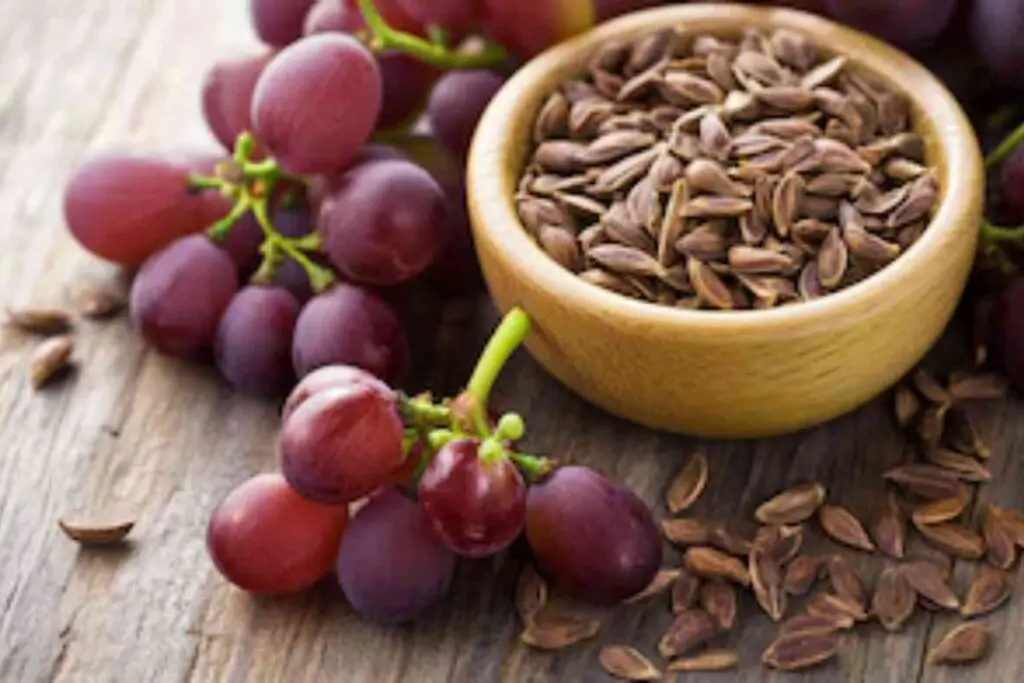
The reason is OPCs — oligomeric proanthocyanidins — the primary bioactive compounds in grape seed extract. These are not ordinary antioxidants. Research has suggested they possess antioxidant activity 18 times greater than vitamin C and 50 times greater than vitamin E, and crucially, they are one of the few large polyphenolic molecules capable of crossing the blood-brain barrier in meaningful concentrations. That combination — exceptional antioxidant potency plus CNS access — explains why grape seed extract shows up protecting the cardiovascular system, the brain, the inner ear, and vascular tissue simultaneously. This guide covers what the science actually shows about each of those applications.
What Is Grape Seed Extract? Origin and Active Compounds
Grape seed extract is derived from the seeds of Vitis vinifera — the common wine grape — through a process that concentrates the polyphenolic compounds naturally present in the seed. Seeds represent a metabolically dense part of the grape, containing significantly higher concentrations of bioactive polyphenols than the skin, pulp, or juice. As a byproduct of the wine industry, grape seeds are abundant, and the extraction process has been refined to produce standardized, high-purity extracts used in both nutritional supplements and pharmaceutical research.
The primary bioactive compounds are the OPCs — oligomeric proanthocyanidins (also called oligomeric procyanidins or OPCs). These are condensed polymers of catechin and epicatechin units — the same flavan-3-ol monomers found in green tea, but linked into oligomeric and polymeric chains with distinct biological properties. Quality grape seed extract supplements are standardized to OPC content, typically specifying 95% OPCs by dry weight. Products that do not disclose OPC content or standardization cannot be evaluated for potency.
OPCs vs. Resveratrol — Understanding the Distinction
Grape seed extract is sometimes confused with resveratrol, another grape-derived polyphenol that has received significant research attention. They are different compounds with different mechanisms and different research profiles. Resveratrol is found primarily in grape skin and has attracted interest for longevity and SIRT1 activation pathways. OPCs from grape seed are a separate compound class with a larger, more consistent clinical trial base for cardiovascular and vascular applications. A product listing ‘grape extract’ without specifying which part of the grape or which compound class is standardized to cannot be evaluated for either effect. Grape seed extract standardized to OPC content is the form with the most robust clinical evidence.
How Do Grape Seed Extract OPCs Work? The Core Mechanisms
1. Nitric Oxide Enhancement and Endothelial Protection — OPCs stimulate endothelial nitric oxide synthase (eNOS), increasing nitric oxide production in blood vessel walls. Nitric oxide is the primary vasodilatory signal in the cardiovascular system — it relaxes smooth muscle in vessel walls, reduces blood pressure, and improves blood flow throughout the body. This is the primary mechanism behind grape seed extract’s blood pressure effects. OPCs also protect endothelial cells from oxidative damage and reduce the expression of adhesion molecules that contribute to arterial plaque formation.
2. LDL Oxidation Prevention — One of the most clinically significant mechanisms of OPCs is their ability to prevent the oxidation of low-density lipoprotein (LDL) cholesterol. Oxidized LDL — not LDL itself — is the primary driver of arterial plaque formation and cardiovascular disease progression. OPCs neutralize the free radicals that oxidize LDL, protecting vessel walls from the inflammatory cascade that follows LDL oxidation. Multiple randomized controlled trials have documented significant reductions in markers of LDL oxidation with grape seed extract supplementation.
3. Blood-Brain Barrier Crossing and Neuroprotection — This is the mechanism that sets OPCs apart from most antioxidants. The blood-brain barrier is highly selective, preventing most large molecules from entering the central nervous system. OPCs are among the few polyphenolic compounds that can cross this barrier in biologically meaningful amounts. Once in the brain, they neutralize reactive oxygen species in neural tissue, reduce neuroinflammation, protect against amyloid-beta accumulation, and support the integrity of cerebral blood vessels. This CNS access underpins both the cognitive and hearing health applications of grape seed extract.
4. Collagen Stabilization and Microcirculation — OPCs bind to collagen and elastin proteins, protecting them from degradation by enzymes like collagenase and elastase. This has direct relevance for vascular integrity — collagen is the structural backbone of blood vessel walls — as well as for skin elasticity, joint tissue, and the delicate connective tissues of the inner ear. OPCs also improve microcirculation (blood flow in the smallest capillaries) by reducing capillary permeability and improving red blood cell flexibility. This enhanced microcirculation is particularly relevant for tissues with high metabolic demands and complex vascular supply: the brain, the retina, and the cochlea.
5. Anti-inflammatory and Anti-platelet Activity — OPCs inhibit NF-kB signaling pathways, reducing the production of pro-inflammatory cytokines including TNF-alpha, IL-6, and IL-1beta. They also demonstrate mild anti-platelet activity by inhibiting thromboxane synthesis — reducing the tendency for platelet aggregation without the bleeding risks associated with pharmaceutical antiplatelet agents. This anti-inflammatory and anticoagulant profile contributes to the cardiovascular protection picture and may also play a role in the observed senotherapeutic effects documented in recent longevity research.
Grape Seed Extract Benefits: What Clinical Research Shows
1. Blood Pressure Reduction — The Strongest Clinical Evidence
The blood pressure evidence for grape seed extract is the most consistent and best-replicated in its clinical literature. Multiple systematic reviews and meta-analyses have analyzed the effect.
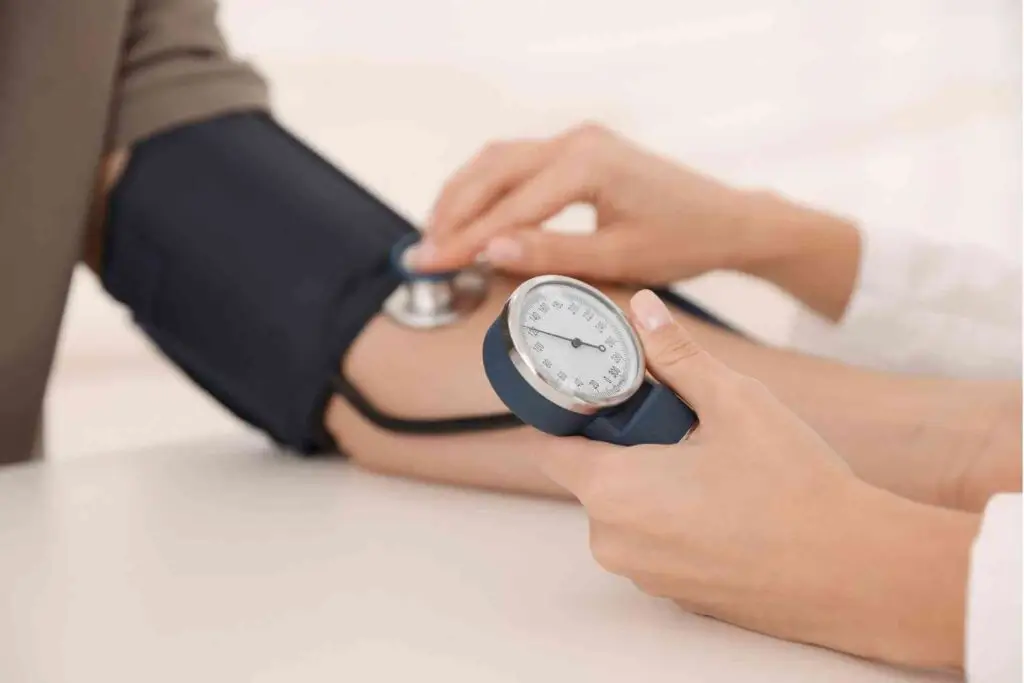
The most comprehensive blood pressure meta-analysis, published in Medicine, analyzed 16 randomized controlled trials involving 810 subjects and found that grape seed extract produced statistically significant reductions in both systolic blood pressure (SBP reduced by −6.08 mmHg, P = 0.011) and diastolic blood pressure (DBP reduced by −2.80 mmHg, P = 0.001). The effects were more pronounced in younger adults, obese individuals, and people with metabolic disorders — precisely the populations at elevated cardiovascular risk where intervention is most meaningful.
A larger meta-analysis of 28 studies involving 1,344 subjects confirmed significant reductions in SBP (−3.40 mmHg) and DBP (−1.69 mmHg). A separate randomized, double-blind, placebo-controlled study using Enovita® standardized grape seed extract (150–300mg) found significant reductions in both systolic and diastolic blood pressure, alongside reduced inflammatory adhesion molecules in endothelial cells — providing mechanistic confirmation of the blood pressure findings through the nitric oxide and anti-inflammatory pathways.
Honest context: blood pressure reductions of 3–6 mmHg are clinically modest but meaningful at a population level — similar to the reduction associated with regular moderate exercise. For people in the pre-hypertensive range (120–139 systolic), this magnitude of reduction can meaningfully reduce cardiovascular event risk over time. For people with severe hypertension requiring medication, grape seed extract is a complementary support tool, not a primary treatment.
2. LDL Oxidation and Cardiovascular Risk Markers
Beyond blood pressure, grape seed extract has documented effects on LDL oxidation — one of the most mechanistically important aspects of cardiovascular protection. A meta-analysis of randomized controlled trials published in the Journal of the American Dietetic Association examined grape seed extract’s effects on lipid profiles and cardiovascular markers. While total cholesterol and LDL levels showed inconsistent changes across trials, protection of LDL from oxidative modification was consistently observed — a meaningful finding because oxidized LDL, not LDL itself, is the primary driver of arterial plaque progression.
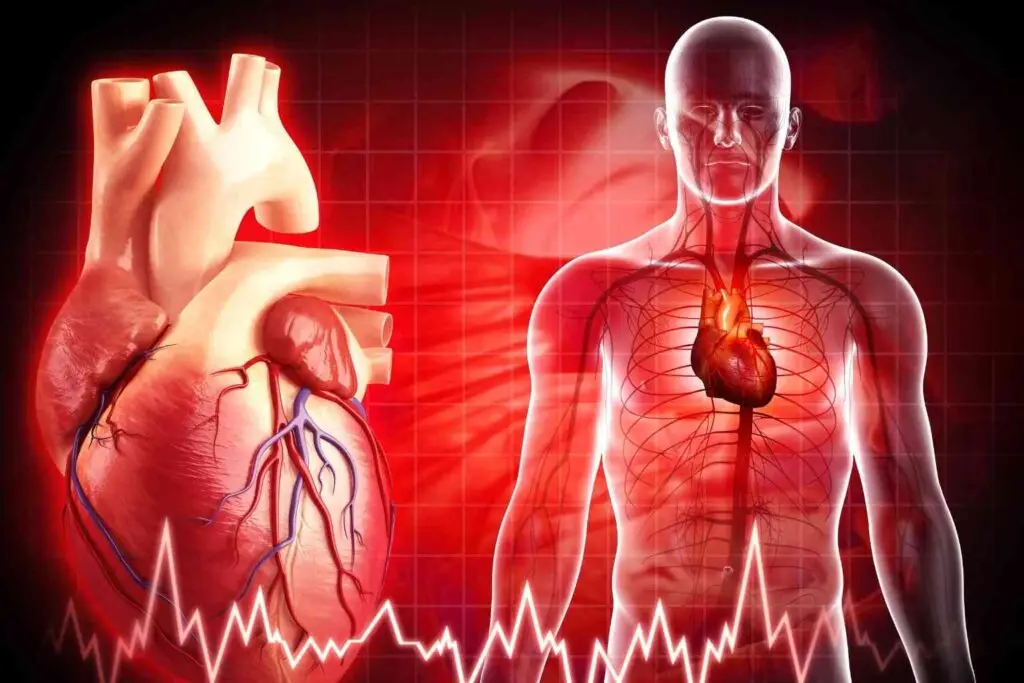
C-reactive protein (CRP), a marker of systemic inflammation strongly associated with cardiovascular disease risk, also trended toward reduction in multiple trials, though results varied by population and duration. The most consistent cardiovascular finding across the literature — after blood pressure — is grape seed extract’s reliable protection of vascular tissue from oxidative damage.
3. Cognitive Protection and Brain Health
The cognitive evidence for grape seed extract is compelling in its mechanistic basis and growing in its clinical support — though the human trial database is less extensive than for cardiovascular applications. The key mechanism — OPC crossing of the blood-brain barrier — provides a biologically credible pathway for cognitive effects that most antioxidants simply cannot replicate.

A 2021 review examining grape seed extract’s effects on cognitive health found evidence suggesting OPCs benefit memory, executive function, and neuroprotection against age-related oxidative damage. The primary mechanism involves neutralizing ROS in neural tissue, reducing neuroinflammation, and protecting cerebral blood vessels — improving the vascular component of cognitive function, which accounts for a significant portion of age-related cognitive decline.
An important caveat is warranted: a 2023 randomized trial in older adults with mild cognitive impairment did not show statistically significant improvements in cognitive symptoms — a finding that tempers overly optimistic claims. The cognitive evidence currently is more consistent for prevention and protection of healthy brain aging rather than treatment of established cognitive impairment. Grape seed extract likely works best in this domain as a long-term daily preventive strategy rather than a therapeutic for people already experiencing significant decline.
4. Microcirculation and Inner Ear Vascular Support
The inner ear — specifically the cochlea and vestibular system — depends on an extraordinarily delicate vascular supply that is highly vulnerable to oxidative stress and circulatory disruption. The tiny capillaries of the stria vascularis (the metabolically active tissue that generates the electrochemical environment necessary for hearing) are among the most metabolically demanding and oxidatively stressed microvascular structures in the body.
OPCs’ combination of microcirculation-improving properties (nitric oxide enhancement, collagen stabilization, reduced capillary permeability) and direct antioxidant protection of neural tissue creates a mechanistically compelling case for their role in inner ear health. OPC compounds have been studied in the context of age-related hearing decline, noise-induced hearing damage, and vascular-related hearing changes — and the mechanism is the same one responsible for their vascular benefits elsewhere: protecting the delicate microvascular and neural tissue of the cochlea from oxidative damage and circulatory insufficiency.
5. Performance, Recovery, and Connective Tissue
Grape seed extract’s collagen-stabilizing properties have relevance for physically active adults well beyond cardiovascular health. OPCs inhibit the enzymes that degrade collagen and elastin — the structural proteins of tendons, ligaments, joint cartilage, and vascular walls. In the context of training and physical stress, this translates to reduced micro-tissue damage, faster connective tissue recovery, and improved structural integrity of the vascular network supporting working muscle.
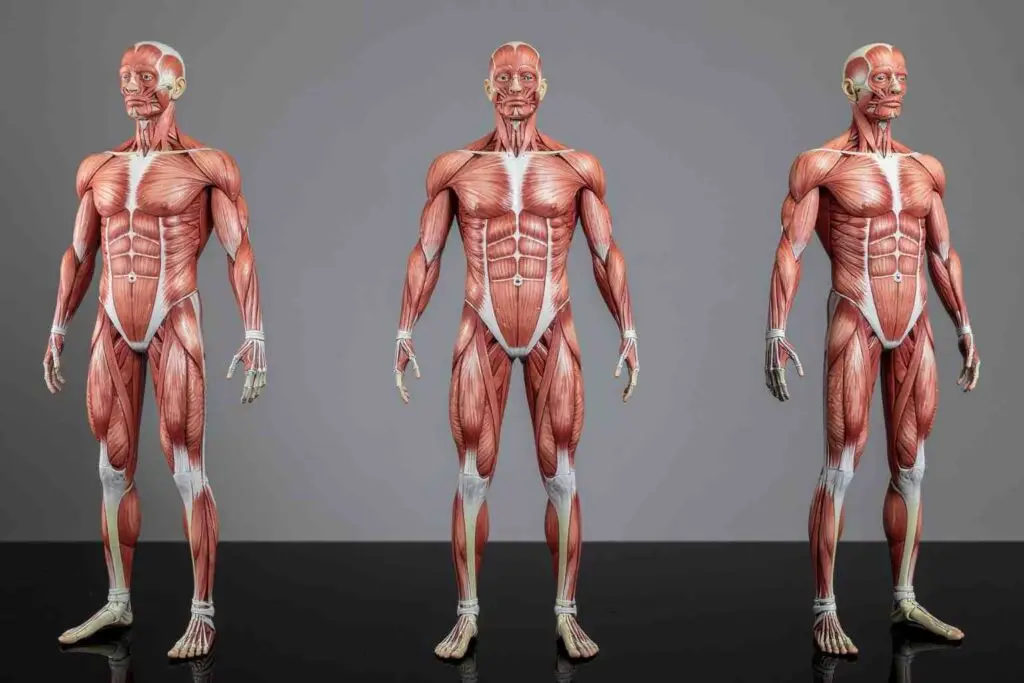
Multiple studies have documented reduced markers of oxidative stress and inflammation post-exercise with OPC supplementation. For athletes and active adults, this anti-oxidative and anti-inflammatory protection of connective tissue complements the cardiovascular and circulation benefits, supporting faster recovery and reduced training-related tissue breakdown over time.
Who Can Benefit Most from Grape Seed Extract?
• Adults with elevated blood pressure or pre-hypertension — where OPC-mediated nitric oxide enhancement and endothelial protection produce measurable and clinically meaningful reductions in cardiovascular risk
• People prioritizing cardiovascular disease prevention — particularly those with a family history of heart disease, or those in the 40–65 age range where vascular aging accelerates and LDL oxidation becomes an increasing concern
• Adults concerned about cognitive aging — especially those who want broad antioxidant protection of neural tissue through a compound that can actually reach the brain, unlike most dietary antioxidants
• People with hearing concerns or high noise exposure — where the vascular and antioxidant protection of inner ear microcirculation is a genuinely underappreciated application with strong mechanistic support
• Active adults and athletes — seeking natural recovery support, connective tissue protection, and vascular health optimization as part of a comprehensive performance strategy
• Anyone taking a long-term antioxidant and anti-aging approach — given the emerging senotherapeutic evidence (procyanidin C1 extending lifespan in murine studies by targeting senescent cells) and OPCs’ broad protective profile across multiple tissue types
Grape seed extract is notably well-tolerated and broadly applicable across age groups. It is less likely to produce dramatic acute effects — its benefits are cumulative and protective rather than immediately noticeable. The people who benefit most are those who sustain consistent daily supplementation over months and years, making it ideally suited to daily supplement formulas rather than situational use.
Grape Seed Extract in Modern Supplements: Three Products, Three Contexts
For Male Performance and Vascular Health — Spartamax
Grape seed extract is one of seven core ingredients in Spartamax, a daily male performance gummy formula. Within this multi-ingredient stack, grape seed extract’s role is specifically the vascular and circulatory layer — supporting blood flow and endothelial health that underpins physical performance, sexual function, and overall vitality. This is a mechanistically intelligent inclusion: nitric oxide production and improved microcirculation directly support the vascular aspects of male performance that ingredients like Tongkat Ali and Ashwagandha address from the hormonal and stress sides. Grape seed extract completes the formula’s approach by protecting the vascular infrastructure that makes those hormonal benefits translate into real performance.

For Brain Health and Cognitive Protection — Neuro Serge
In Neuro Serge, a brain health supplement formulated for adults experiencing cognitive slowdown, grape seed extract is positioned as part of a comprehensive antioxidant shield for neural tissue. This is where the blood-brain barrier-crossing property becomes the most strategically important aspect of the ingredient. While most antioxidants protect peripheral tissues, OPCs actually reach the central nervous system — neutralizing free radicals that damage neurons, protecting the cerebral vasculature that supplies oxygen to brain tissue, and reducing the neuroinflammation that underlies cognitive aging. In a formula built around neuroprotection, grape seed extract earns its place not by being the most dramatic ingredient but by being one of the few antioxidants that can actually do its job where it needs to be done.

For Hearing Health and Inner Ear Protection — Audifort
Audifort is a liquid hearing support formula, and grape seed extract’s inclusion here represents one of the most mechanistically nuanced and underappreciated roles in the entire lineup we’ve reviewed. In Audifort, grape seed extract contributes two simultaneous benefits: microvascular protection of the cochlea’s delicate capillary network, and direct antioxidant protection of the hair cells and neural tissue responsible for converting sound into electrical signals. The inner ear’s susceptibility to oxidative damage and circulatory insufficiency is well-documented as a primary driver of age-related and noise-induced hearing loss — and OPCs address both pathways simultaneously. No other ingredient in our mapping covers the hearing health angle with grape seed extract’s combination of vascular and neural antioxidant mechanisms.

Dosage, Timing, and Safety
Dosage
Standard supplemental dose: 100–300mg per day of standardized grape seed extract (95% OPCs). Clinical trials showing significant blood pressure effects have typically used 150–300mg daily. For general antioxidant and cardiovascular protection, 100–200mg per day is the most common range in supplement formulas.
Standardization requirement: Always choose products specifying 95% OPC content or a minimum total polyphenol content. Products that list only ‘grape seed powder’ without standardization data provide no reliable dose.
Timing: OPCs are fat-soluble — taking grape seed extract with a meal containing some fat improves absorption. For higher doses, splitting between morning and evening can maintain more consistent plasma levels throughout the day.
Onset: Antioxidant effects are measurable within hours of a dose. Blood pressure reductions in clinical trials have typically emerged within 4–8 weeks of consistent supplementation. Cognitive and long-term protective effects are cumulative and most meaningful when sustained over months to years.
Safety and Precautions
Grape seed extract has an excellent safety record. A 2023 review of OPC toxicology and pharmacokinetics concluded that OPCs exhibit no toxicity or mutagenicity in both animal and human studies. At typical supplemental doses (100–400mg per day), the most commonly reported side effects are mild GI discomfort, headache, or dizziness, occurring in a small minority of users.
Important precautions:
• Anticoagulants: OPCs have mild anti-platelet activity. People taking warfarin, aspirin therapy, or other blood thinners should consult their physician, as additive effects may increase bleeding risk — particularly relevant around surgical procedures.
• Blood pressure medications: Grape seed extract lowers blood pressure through the nitric oxide pathway. Combined with antihypertensive medications, additive effects are possible. People on blood pressure drugs should discuss adding grape seed extract with their prescribing physician.
• Pregnancy: Insufficient safety data exists for high-dose supplementation during pregnancy. Dietary amounts from grape consumption are well-established as safe; high supplemental doses have not been adequately studied.
• Grape or sulfite allergy: Rare cases of grape allergy may extend to grape seed extract. People with known grape allergies should exercise caution.
Frequently Asked Questions
What is the difference between grape seed extract and resveratrol?
They come from the same fruit but are entirely different compounds. Resveratrol is a stilbene found primarily in grape skin that has attracted attention for SIRT1 longevity pathway activation. Grape seed extract OPCs are condensed tannin-type polyphenols found in the seed, with a distinct mechanism profile focused on antioxidant activity, vascular protection, and blood pressure reduction. The clinical evidence for grape seed extract OPCs in cardiovascular applications is generally more consistent than for resveratrol. Some formulas contain both — but they are not substitutes for each other.
Are grape seed extract and pine bark extract (Pycnogenol) the same?
They are closely related but distinct. Both grape seed extract and pine bark extract (Pycnogenol®) are rich in OPCs, but from different plant sources with slightly different oligomeric profiles. Pycnogenol has a more extensive branded clinical trial database; grape seed extract is more widely available and often better value. Both produce similar broad benefits. For most general antioxidant and cardiovascular applications, the two are interchangeable in practice, though specific patented extracts like Pycnogenol have product-specific clinical data.
How long does grape seed extract take to work?
Some antioxidant effects are measurable within hours of supplementation. Significant blood pressure reductions in clinical trials have typically appeared after 4–8 weeks of consistent daily use. The collagen-stabilizing and connective tissue-protective effects are cumulative, developing over months of sustained use. Like most vascular and antioxidant compounds, the long-term protective benefits — particularly for cognitive aging, hearing health, and cardiovascular disease prevention — develop over years of consistent daily supplementation.
Can I take grape seed extract with other antioxidants?
Yes, and in many cases synergistically. OPCs combine well with vitamin C (which regenerates oxidized OPCs, extending their antioxidant activity), vitamin E, and other polyphenols like green tea extract. The combination of grape seed extract OPCs with other complementary antioxidants — as found in multi-ingredient brain health and cardiovascular formulas — tends to produce broader protection than any single antioxidant alone.
Is grape seed extract good for skin?
The same mechanisms that make OPCs valuable for vascular and cognitive health also have dermatological implications. Collagen and elastin stabilization reduces skin aging from enzymatic degradation. Protection against UV-induced oxidative damage in skin cells has been documented in clinical research. Improved microcirculation supports better skin oxygenation and nutrient delivery. These are secondary benefits compared to the cardiovascular and cognitive evidence, but they reflect the same underlying OPC mechanisms and are a reason grape seed extract appears in many anti-aging skincare formulations.
What does 95% OPC standardization mean?
It means 95% of the dry weight of the extract consists of oligomeric proanthocyanidins — the active compound class responsible for grape seed extract’s benefits. This is the industry standard for high-quality grape seed extract and is what most published clinical trials have used. Products with lower OPC percentages or unspecified standardization contain more inert material relative to active compound and cannot be assumed to produce results equivalent to standardized extracts.
The Bottom Line on Grape Seed Extract
Grape seed extract is one of the most cross-functional antioxidant compounds available — genuinely earning its place in formulas targeting cardiovascular health, brain protection, hearing support, and male performance, not through different mechanisms for each, but through the same core OPC mechanisms expressed across multiple organ systems. Blood pressure reduction is the most clinically established benefit, with multiple meta-analyses confirming meaningful reductions. LDL oxidation protection is mechanistically significant. The cognitive and inner ear applications are mechanistically well-grounded in OPCs’ blood-brain barrier-crossing capacity and microvascular protection, even if the clinical trial base there is less extensive.
The practical key is standardization. The word ‘grape seed extract’ on a label means nothing without OPC content specified — which is how clinical researchers dose it and why product transparency on this point is non-negotiable. For people who prioritize long-term preventive health and want an antioxidant that can reach the brain, protect the vasculature, and work systemically rather than just peripherally, grape seed extract standardized to 95% OPCs is one of the more defensible choices available.
For those interested in how grape seed extract is deployed within formulas targeting different systems simultaneously, our reviews of Spartamax, Neuro Serge, and Audifort each cover how OPCs are paired with complementary ingredients for their specific target applications.
Disclaimer: This article is for informational and educational purposes only. It does not constitute medical advice. People taking anticoagulants or blood pressure medications should consult their physician before supplementing with grape seed extract.