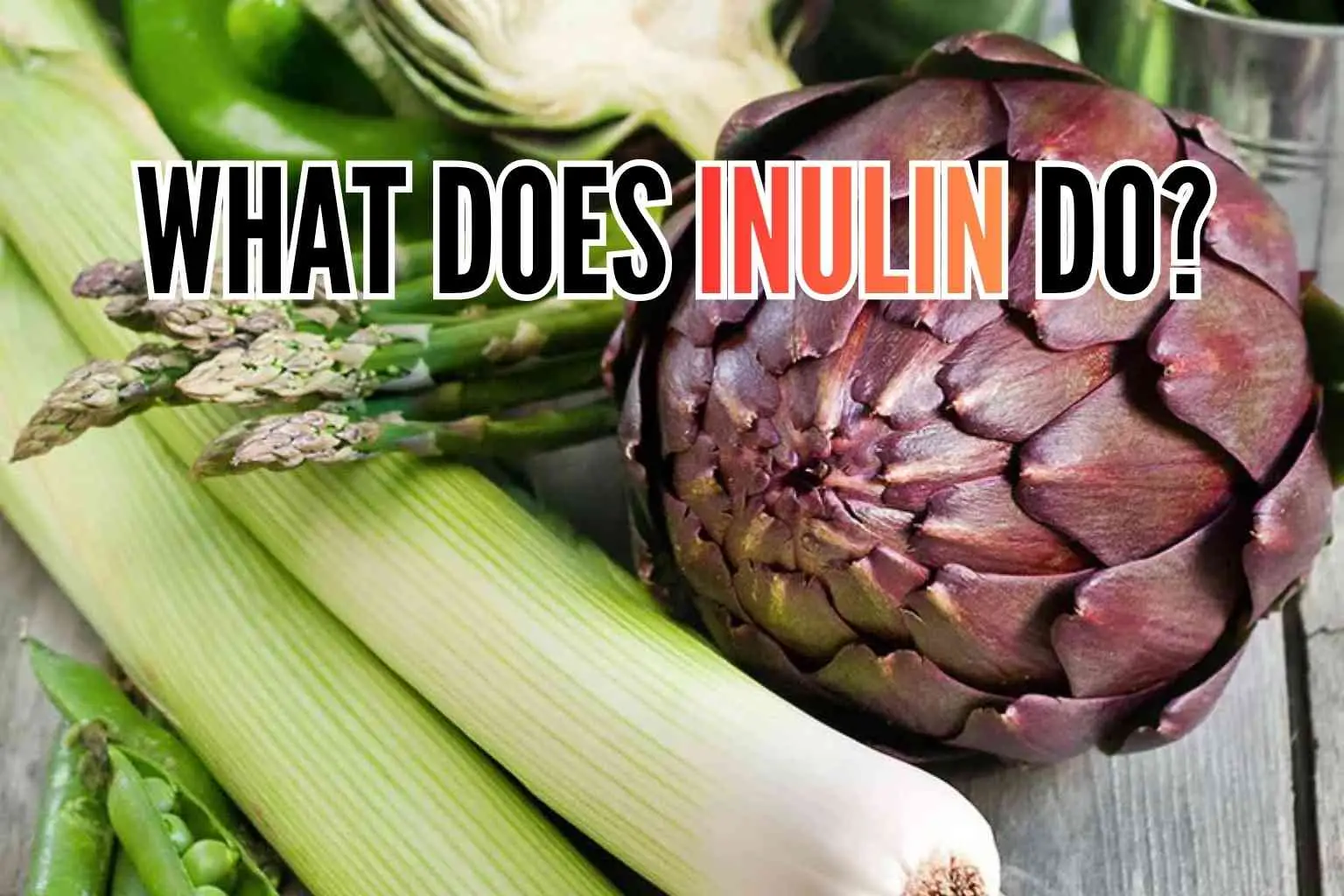
Most conversations about gut health focus on probiotics — the live bacteria you consume through yogurt, fermented foods, or capsule supplements. But there is a quieter, less glamorous side of gut health that determines whether those bacteria actually survive and thrive once they arrive: the food you give them. That’s where inulin comes in.
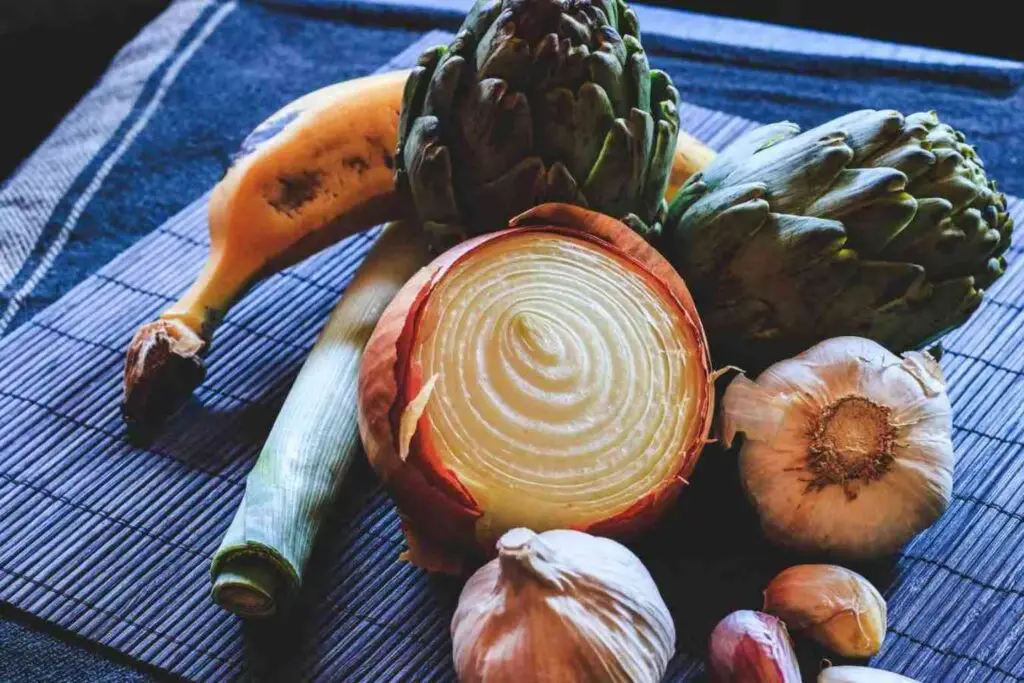
Inulin is a prebiotic fiber — a type of carbohydrate your body cannot digest, but your gut bacteria can. Found naturally in chicory root, Jerusalem artichoke, garlic, onions, leeks, and banana, it is one of the most studied and most effective prebiotics available. Unlike probiotics, which introduce specific bacteria strains, inulin works by selectively nourishing the beneficial bacteria already living in your digestive system. The downstream effects of doing this well extend far beyond gut comfort — touching blood sugar regulation, satiety, weight management, and even oral health. This guide covers the science behind all of it.
What Is Inulin? Origin, Chemistry, and Why It Behaves Differently from Other Fibers
Inulin belongs to a class of carbohydrates called fructans — polymers of fructose molecules linked by beta bonds that human digestive enzymes cannot break. This structural characteristic is the key to everything inulin does: because it passes through the small intestine essentially intact, it arrives in the large intestine still available as fuel specifically for certain bacterial species. Not all gut bacteria can digest inulin — only those equipped with the right enzymes, primarily Bifidobacterium and Lactobacillus species — which is why inulin selectively enriches these beneficial populations rather than feeding pathogenic bacteria.
Chicory root is by far the most common commercial source of inulin, containing 15–20% inulin by weight. Other significant dietary sources include Jerusalem artichoke (14–19%), garlic (9–16%), leek (3–10%), onion (2–6%), and banana (0.3–0.7%). The wide variation in chain length — shorter chains are called fructooligosaccharides (FOS), longer chains are called high-performance inulin — affects fermentation speed, site of action in the colon, and the magnitude of microbiome effects.
Short-Chain vs. Long-Chain Inulin — Why the Difference Matters
Short-chain inulin and FOS ferment quickly in the proximal colon, producing rapid SCFA output and fast satiety effects but also more gas production. High-performance (HP) inulin — longer-chain molecules — ferments more slowly throughout the entire colon, producing a more sustained effect with generally better tolerance at higher doses. Most supplement formulas use chicory-derived inulin standardized to a specific chain length distribution. When reading labels, ‘chicory root fiber’ and ‘inulin’ are often used interchangeably and refer to the same compound.
How Does Inulin Work? The Mechanisms That Make It Effective
1. Selective Prebiotic Fermentation — When inulin reaches the large intestine, resident Bifidobacterium and Lactobacillus populations ferment it as their primary fuel source. This selective fermentation increases the relative abundance of these beneficial strains — a process well-documented in human trials as a consistent and reliable response to inulin supplementation. The increase in beneficial bacteria comes at the expense of space and resources for less desirable microbial populations, improving the overall balance of the gut ecosystem.
2. Short-Chain Fatty Acid (SCFA) Production — Fermentation of inulin by gut bacteria produces short-chain fatty acids — primarily butyrate, propionate, and acetate. These molecules are not metabolic waste: they are signals and fuel that drive multiple downstream benefits. Butyrate is the primary energy source for colonocytes (colon lining cells), maintains gut barrier integrity, and has anti-inflammatory and anti-carcinogenic properties. Propionate influences liver lipid synthesis and signals the brain via the gut-liver axis to reduce appetite. Acetate has systemic anti-inflammatory effects and influences fat metabolism.
3. GLP-1 and Appetite Hormone Stimulation — SCFA production from inulin fermentation — particularly propionate — stimulates the release of gut hormones including glucagon-like peptide-1 (GLP-1) and peptide YY (PYY) from intestinal L-cells. GLP-1 slows gastric emptying, reduces appetite, and enhances pancreatic insulin secretion — the same hormone targeted by GLP-1 receptor agonist drugs like semaglutide, though through a different and gentler upstream mechanism. This is the primary bridge between inulin supplementation and its effects on blood sugar and satiety.
4. Slowing of Glucose Absorption — As a soluble fiber, inulin forms a viscous gel in the intestinal tract that slows the rate at which glucose enters the bloodstream. This blunts post-meal glucose spikes — one of the most consistent and quickly measurable effects of inulin supplementation, observable within a single meal when taken pre-meal.
5. Gut Barrier Reinforcement — Butyrate produced from inulin fermentation supports the integrity of the tight junctions between enterocytes (gut lining cells), reducing intestinal permeability — commonly called ‘leaky gut.’ A healthy gut barrier prevents bacterial fragments and toxins from entering the bloodstream, reducing systemic inflammation that is associated with metabolic syndrome, obesity, and chronic disease.
Inulin Benefits: What Clinical Research Shows
1. Gut Microbiome Improvement — The Most Consistent Finding
Across virtually every clinical trial that has measured gut microbiome composition alongside inulin supplementation, a reliable finding emerges: significant increases in Bifidobacterium populations. A 2024 randomized, double-blind, placebo-controlled trial published in BMC Medicine enrolled 131 adults, with 44 receiving inulin for four weeks. Inulin significantly increased Bifidobacterium abundance and improved several markers of gut microbiome function. The placebo group showed no microbiome changes.

The Food4Gut multicenter randomized, placebo-controlled trial — one of the largest inulin trials conducted — enrolled 150 obese patients receiving 16g per day of native inulin for three months alongside caloric restriction. The prebiotic group showed significantly greater weight loss and improvement in metabolic markers beyond those explained by caloric restriction alone, with gut microbiota characteristics predicting individual treatment response.
Honest context: the inulin-microbiome relationship is robust, but microbiome composition in supplements remains deeply personal. Two people taking identical doses of inulin can show different microbiome responses depending on their starting bacterial populations, diet, and genetics. The general direction — more Bifidobacterium — is consistent, but the magnitude varies.
2. Blood Sugar and Glucose Metabolism
Inulin’s blood sugar effects are among its most well-documented and most clinically relevant benefits. A randomized, double-blind trial published in BMC Medicine (2025) found that inulin significantly reduced glucose levels at one and two hours during an oral glucose tolerance test in overweight/obese adults — with effect sizes (Cohen’s d = 0.71–0.73) suggesting a clinically meaningful impact. The effect was particularly pronounced in those with existing glucose dysregulation rather than healthy adults with normal glucose.

A randomized, double-blind, placebo-controlled trial in women with type 2 diabetes found that high-performance inulin supplementation (10g/day for eight weeks) significantly reduced fasting blood glucose, HbA1c, and triglycerides compared to placebo. Multiple clinical reviews of prebiotic fiber and glycemic control have consistently found that inulin-type fructans produce significant post-meal glucose reductions — making pre-meal dosing a particularly effective strategy for people managing blood sugar.
3. Satiety, Appetite, and Weight Management
Inulin’s effect on appetite is one of its more practically useful benefits — and one of the most frequently underestimated. Through GLP-1 and PYY stimulation, inulin signals fullness to the brain more quickly and sustains that signal for longer after meals. In practical terms, this reduces spontaneous caloric intake without requiring conscious dietary restriction.

The Food4Gut trial found that the inulin group achieved significantly greater weight loss than the control group despite equivalent caloric restriction advice. A supplementation study using inulin fiber alongside dietary recommendations found greater total weight loss in obese women compared to dietary recommendations alone. The mechanism is not dramatic fat burning — it is fundamentally about reducing overconsumption by improving the communication between the gut and the brain’s appetite centers. This makes inulin a complementary tool for weight management rather than a standalone solution.
4. Bowel Regularity and Digestive Comfort
Inulin reliably improves bowel regularity in people with constipation — a finding consistent across multiple clinical trials and a systematic review of randomized controlled trials. A double-blind, placebo-controlled trial of chicory inulin in healthy subjects with constipation found significant improvements in stool frequency and consistency. The mechanism is bidirectional: inulin pulls water into the colon, softening stool, while simultaneously increasing bacterial mass (which adds bulk). The result is improved transit without the harsh effects of stimulant laxatives.
The caveat — and it is important for dosing guidance — is that too much inulin too quickly produces gas, bloating, and cramping in many people. This is not a sign of intolerance; it is a predictable response to rapid fermentation. Starting with a low dose (3–5g per day) and gradually increasing over two to three weeks eliminates this issue for the vast majority of users.
5. Oral Microbiome and Dental Health
One of the less discussed but scientifically supported applications of inulin is its role as a prebiotic specifically for the oral microbiome. The mouth harbors its own distinct bacterial ecosystem, and the balance between beneficial bacteria — primarily certain Streptococcus and Lactobacillus species — and harmful ones like Streptococcus mutans determines susceptibility to cavities, gum disease, and bad breath.

Inulin functions as a prebiotic in the oral environment by selectively feeding beneficial bacteria while being poorly metabolized by bacteria associated with acid production and tooth decay. This is the mechanism by which it appears in oral health formulas — not because it directly kills harmful bacteria, but because it shifts the competitive advantage in the oral microbiome toward species associated with healthy teeth and gums.
Who Can Benefit Most from Inulin?
• People with digestive complaints — constipation, irregular bowel habits, bloating from dysbiosis, or a general sense that their digestion is not performing optimally
• Adults managing blood sugar — particularly those with impaired fasting glucose, post-meal glucose spikes, or type 2 diabetes who want an evidence-based fiber strategy alongside their primary management approach
• Anyone taking probiotic supplements — inulin dramatically improves the survival and establishment of probiotic bacteria, making it a critical complement to any probiotic protocol
• People working on weight management — who want to reduce appetite naturally and improve their gut microbiome’s metabolic function without stimulants or appetite suppressants
• Adults concerned about oral health — particularly those dealing with recurring cavities, gum sensitivity, or persistent bad breath despite good oral hygiene
• Anyone prioritizing preventive gut health — since a diverse, Bifidobacterium-rich microbiome is associated with lower systemic inflammation, better immune function, and reduced long-term disease risk
Inulin is one of the more broadly applicable supplement ingredients — its benefits are not limited to a specific symptom or condition. The main population for whom it may be less suitable is people with severe irritable bowel syndrome (IBS-D) or small intestinal bacterial overgrowth (SIBO), where fermentable fibers can exacerbate symptoms. Starting at a very low dose with gradual titration is essential for these individuals.
Inulin in Modern Supplements: Three Products, Three Roles
As a Gut and Skin Prebiotic — PrimeBiome
Inulin is a foundational ingredient in PrimeBiome, a gut-skin axis formula that pairs probiotic strains with prebiotic fiber to support both digestive health and skin clarity. Within this formula, inulin serves its most direct and well-evidenced role: feeding the probiotic bacteria delivered in the same formula to ensure they survive, establish, and multiply in the colon. Without adequate prebiotic support, probiotic bacteria in supplements often fail to take root in the competitive gut environment. Inulin in PrimeBiome is not a passive ingredient — it is the strategic fuel that makes the probiotic component work significantly better than it would in isolation.

As an Oral Microbiome Prebiotic — ProDentim
In ProDentim, an oral probiotic formula designed to support healthy teeth and gums, inulin plays a role that most people would not expect from a dental product. The chewable format dissolves slowly in the mouth, allowing inulin to interact directly with the oral microbiome before it even reaches the gut. Here, it acts as a prebiotic specifically for the beneficial oral bacteria included in the formula — feeding species that compete with the acid-producing bacteria responsible for tooth decay and gum inflammation. The mechanism is elegant: inulin in ProDentim nourishes the bacteria that create a protective competitive environment in the mouth, rather than simply killing bacteria indiscriminately as most antiseptic oral products do.

As a Fiber and Satiety Support — Sleep Lean
Sleep Lean is a nighttime weight management formula, and inulin’s role here is the most strategically specific of the three. In the context of Sleep Lean, inulin contributes two distinct benefits in a single evening dose. First, its appetite-hormone stimulation (GLP-1 and PYY release) supports evening satiety — addressing the late-night cravings and nighttime eating that derail many weight management efforts. Second, the overnight fermentation of inulin produces a sustained wave of SCFA production during the hours when the gut is most active metabolically — supporting the gut microbiome restoration that happens during sleep. The combination of appetite control and overnight gut health support makes inulin a genuinely complementary ingredient for a sleep-focused weight formula.

Dosage, Timing, and Safety
Dosage
General gut health and microbiome support: 5–8g per day is the dose most consistently linked to meaningful Bifidobacterium increases in clinical trials. This can be built up from a starting dose of 2–3g to minimize initial gas and bloating.
Blood sugar management: Trials showing significant post-meal glucose reductions have typically used 10–16g per day, divided across meals. High-performance inulin (longer chain) at 10g per day has demonstrated significant HbA1c improvements in type 2 diabetes trials.
Appetite and weight support: Satiety effects appear at 5–12g per day, with consistent GLP-1 stimulation documented at these doses in multiple trials.
Timing: Pre-meal dosing maximizes blood sugar and satiety benefits by giving inulin time to form its viscous gel in the intestinal tract before glucose arrives. For general microbiome support, timing is less critical — consistency of daily intake matters more than the specific meal it accompanies.
Critical rule for starting: Begin with 2–3g per day for the first one to two weeks and increase by 2–3g every week until reaching your target dose. Jumping to 10g+ from zero produces significant gas and bloating in most people, which is biologically predictable but uncomfortable enough to cause people to abandon supplementation unnecessarily.
Safety and Precautions
Inulin has an excellent safety profile and is classified as GRAS (Generally Recognized as Safe) by the FDA. At doses below 20g per day, the primary side effects are gastrointestinal — gas, bloating, and looser stools — which are dose-dependent and resolve with dose reduction.
Precautions:
• IBS and SIBO: People with irritable bowel syndrome (particularly the diarrhea-predominant subtype) or small intestinal bacterial overgrowth may find inulin worsens their symptoms. Starting at an extremely low dose (1–2g per day) and progressing slowly is essential.
• Inulin allergy: Rare, but inulin allergy exists — most commonly cross-reactive with chicory or related plants. If you have a known allergy to chicory, artichoke, or related Asteraceae plants, exercise caution.
• Diabetes medications: Inulin’s blood sugar-lowering effects can be additive with diabetes medications. People on insulin or oral hypoglycemics should monitor glucose levels when adding inulin supplementation.
• Pregnancy: Inulin is generally considered safe during pregnancy as a dietary fiber, but high supplemental doses have not been specifically studied in pregnant populations. Dietary amounts from foods are well-established as safe.
Frequently Asked Questions
What foods are highest in inulin naturally?
Chicory root is by far the highest natural source (15–20% inulin by weight), followed by Jerusalem artichoke (14–19%), garlic (9–16%), leek (3–10%), onion (2–6%), asparagus (2–3%), and banana (0.3–0.7%). The challenge with relying on diet alone is that most people don’t consume nearly enough of these foods to reach the 5–10g per day threshold associated with meaningful microbiome effects. Supplementation bridges that gap reliably.
Is inulin the same as FOS (fructooligosaccharides)?
Closely related but not identical. Both are fructan-type prebiotic fibers from the same chemical family. FOS refers specifically to shorter-chain fructans (typically 2–8 fructose units), while inulin encompasses both shorter and longer chains. High-performance inulin refers to longer-chain molecules. Both feed the same beneficial bacteria, but longer-chain inulin ferments more slowly throughout the entire colon, often producing better tolerance and a more even effect. Many supplements contain a blend of both for comprehensive coverage.
How long does inulin take to work?
Blood sugar effects from a pre-meal dose of inulin can appear within hours — the viscous gel it forms slows glucose absorption immediately. Satiety hormone effects (GLP-1, PYY) are also relatively rapid, appearing within one to two hours of consumption. Microbiome changes take longer to establish — significant increases in Bifidobacterium are typically measurable at two to four weeks of consistent supplementation. Sustained bowel regularity improvements generally appear within one to two weeks.
Can I take inulin with probiotics?
Yes — this is actually the best way to take both. Inulin functions as food for probiotic bacteria, dramatically improving their survival and colonization in the gut environment. Studies consistently show that combining probiotics with prebiotic fiber (called a synbiotic approach) produces greater microbiome improvements than either alone. If you are taking a probiotic supplement, adding inulin significantly amplifies its effectiveness.
Does inulin cause weight gain?
No — inulin contains approximately 1.5 calories per gram (compared to 4 calories per gram for digestible carbohydrates) and its clinical evidence points in the opposite direction, toward modest weight loss through appetite regulation and metabolic improvement. The occasional confusion arises because inulin can cause temporary bloating as the gut microbiome adjusts, which some people interpret as weight gain — but this is water retention and gas, not fat accumulation, and resolves as the gut adapts.
Is inulin gluten-free?
Yes. Inulin derived from chicory root, Jerusalem artichoke, or agave is naturally gluten-free. However, wheat is also a source of inulin — products specifying ‘wheat inulin’ or sourced from wheat would not be appropriate for people with celiac disease or gluten sensitivity. Most commercial inulin supplements specify chicory as the source, which is safe for gluten-intolerant individuals.
Why does inulin cause gas and how do I avoid it?
Gas is produced when gut bacteria ferment inulin — this is the same process that produces the beneficial SCFAs, so gas production is actually a sign the prebiotic is working. The amount of gas depends on how fast fermentation occurs, which is influenced by dose and chain length. The simplest solution is to start with a very low dose (2–3g) and increase slowly over several weeks. Choosing high-performance (longer-chain) inulin also tends to produce less gas than short-chain FOS because it ferments more slowly throughout the colon rather than rapidly in the proximal portion.
The Bottom Line on Inulin
Inulin occupies a unique position in the supplement landscape: it is not a compound that produces dramatic, immediately noticeable effects, but it is one of the most foundational ingredients for long-term gut health, metabolic function, and the effectiveness of any probiotic or gut-focused supplement protocol. The microbiome evidence is reliable and consistent. The blood sugar effects are meaningful, especially in people with existing glucose dysregulation. The appetite and weight management contributions are real — modest in isolation, but additive with other strategies. The oral health application is underappreciated and genuinely supported by the biology of the oral microbiome.
The practical key is patience and dose titration. Inulin does not produce same-day transformation — it shifts the gut environment gradually in a direction that produces measurable metabolic improvements over weeks and months. Starting low, building slowly, and giving the gut microbiome time to adapt is what separates successful inulin supplementation from the experience of unnecessary digestive discomfort that causes many people to abandon it prematurely.
For those interested in seeing how inulin functions within specifically designed supplement formulas, our reviews of PrimeBiome, ProDentim, and Sleep Lean each cover the specific role inulin plays alongside complementary ingredients — and what users in each context are actually experiencing.
Disclaimer: This article is for informational and educational purposes only. It does not constitute medical advice. If you have IBS, SIBO, or take diabetes medications, consult a qualified healthcare provider before significantly increasing inulin intake. People with known allergy to chicory or related plants should exercise caution.