Ginseng is one of those words that appears on so many supplement labels it has almost lost meaning. Energy drinks, sleep formulas, blood sugar products, men’s performance stacks, immunity supplements — ginseng shows up in all of them. And because it has been used in traditional Chinese medicine for over two thousand years, most people accept it as broadly beneficial without ever asking the more important question: what does it actually do, and what does the clinical evidence say?

The answer, as it turns out, is both more specific and more interesting than the vague ‘adaptogen for everything’ framing suggests. Panax ginseng — also called Korean ginseng or Korean red ginseng — has one of the most extensive clinical research portfolios of any botanical supplement, with over 67 randomized controlled trials reviewed in systematic analyses. But the evidence is nuanced: strong in some areas, modest in others, and weaker than marketing typically implies in a few. In this guide, we go through the science honestly — covering the mechanisms, the benefit areas with the best evidence, what realistic expectations look like, and who is most likely to notice meaningful effects.
What Is Panax Ginseng? Origin, Forms, and Why the Type Matters
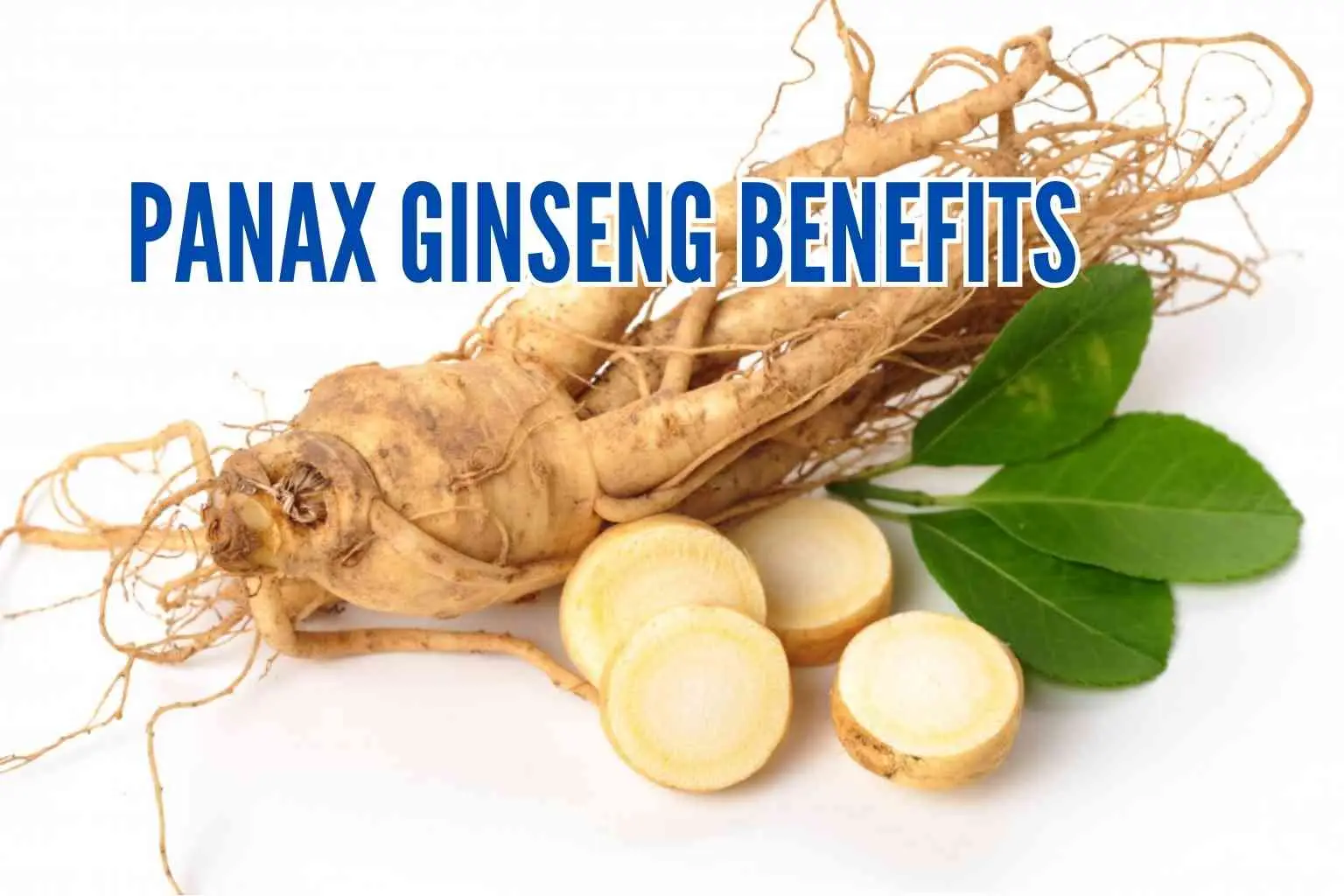
Panax ginseng (Panax ginseng C.A. Meyer) is a slow-growing perennial plant native to the mountains of Korea, Manchuria, and parts of Siberia. The genus name ‘Panax’ comes from the Greek word for ‘all-healing’ — reflecting the plant’s revered status in traditional East Asian medicine, where it was classified as a superior tonic herb and prescribed for vitality, longevity, and as a general strengthener for people weakened by illness or aging.
The plant requires six or more years to mature before harvesting, and the processing method determines its final form. White ginseng is simply dried root. Korean red ginseng is steamed and then dried — a process that changes the ginsenoside profile, increases bioavailability of certain compounds, and produces the darker color and more concentrated flavor of the red form. Most of the strongest clinical evidence for therapeutic effects comes specifically from Korean red ginseng or standardized Panax ginseng extracts, not from raw root powder or generic ginseng products.
The Active Compounds: Ginsenosides
The primary bioactive compounds in Panax ginseng are ginsenosides — a family of steroidal saponins unique to the Panax genus. Over 100 individual ginsenosides have been identified, designated by codes like Rb1, Rg1, Re, Rd, Rg3, and compound K. Different ginsenosides have different and sometimes opposing biological activities — Rg1 and Re tend to be stimulating, while Rb1 and Rb2 tend to be calming — which is one reason ginseng produces a broad, balanced adaptogenic effect rather than a single directional action.
Quality supplements specify ginsenoside content — typically 4–10% total ginsenosides for standardized extracts. Products that list ‘ginseng root powder’ without specifying ginsenoside percentage have no guaranteed potency. When evaluating ginseng products, standardization data is the single most important quality signal.
How Does Panax Ginseng Work? The Core Mechanisms
1. Nitric Oxide Synthesis and Vascular Function — One of ginseng’s most well-established mechanisms is its ability to stimulate nitric oxide (NO) production in vascular endothelium. Nitric oxide relaxes blood vessel walls, improves circulation, and supports blood flow to tissues including the brain, skeletal muscle, and sexual organs. This is the primary mechanism behind ginseng’s documented effects on cognitive performance, erectile function, and physical endurance — improved oxygen and nutrient delivery to demanding tissues.
2. Insulin Sensitization and Glucose Metabolism — Ginsenosides, particularly Rb1 and compound K, influence insulin signaling pathways and glucose transporter expression in muscle and liver cells. This improves insulin sensitivity and increases glucose uptake from the bloodstream, producing the blood sugar-lowering effects documented in clinical trials. The mechanism is distinct from metformin’s pathway, making ginseng potentially complementary rather than redundant to pharmaceutical approaches.
3. HPA Axis Modulation and Stress Response — Like ashwagandha, Panax ginseng influences the hypothalamic-pituitary-adrenal axis — the system governing cortisol release and the stress response. Ginseng’s modulation is gentler and less direct than ashwagandha’s, but it contributes to the anti-fatigue and mood-stabilizing effects observed in trials. By normalizing stress hormone rhythms, ginseng supports sustained energy without the crash pattern associated with stimulants.
4. Immune System Modulation — Ginsenosides interact with multiple immune pathways, including natural killer cell activity and immunoglobulin production. This bidirectional immune modulation — stimulating when immunity is low, calming when overactive — is characteristic of true adaptogens. It underpins ginseng’s documented effects on infection frequency, immune markers, and recovery from illness.
5. Antioxidant and Anti-inflammatory Activity — Panax ginseng demonstrates meaningful antioxidant activity through multiple pathways, including upregulation of the Nrf2 antioxidant response element and direct scavenging of reactive oxygen species. Its anti-inflammatory effects involve inhibition of NF-kB signaling and reduction of pro-inflammatory cytokines — pathways relevant to metabolic health, cognitive aging, and exercise recovery.
Panax Ginseng Benefits: What Clinical Research Shows
1. Energy, Fatigue Reduction, and Physical Performance
This is one of ginseng’s most consistently supported benefit areas — and also one where the clinical literature makes an important distinction between types of fatigue. Ginseng’s anti-fatigue effects are particularly well-documented in the context of chronic fatigue or fatigue associated with illness, stress, or overtraining, rather than as a simple stimulant-like acute energy boost.

A systematic review published in PLOS ONE examining randomized controlled trials on Panax ginseng found consistent evidence for improvements in fatigue scores, physical capacity, and self-reported energy in adults dealing with chronic fatigue or reduced vitality. A key mechanism is ginseng’s effect on mitochondrial function and oxidative phosphorylation — improving the efficiency of cellular energy production rather than simply stimulating the nervous system. This means the energy effects tend to be more sustained and less followed by energy crashes than caffeine-based approaches.
For physical performance specifically, the evidence is more mixed. Some trials in athletic populations show improvements in VO₂ max, time to exhaustion, and muscle recovery markers, while others show no significant effect. The inconsistency likely reflects differences in extract quality, dose, and duration — with standardized extracts at adequate doses showing more consistent results than generic powders at sub-therapeutic amounts.
2. Blood Sugar Regulation and Metabolic Support
This is arguably where Panax ginseng’s clinical evidence is most robust and most directly relevant to modern metabolic health concerns.
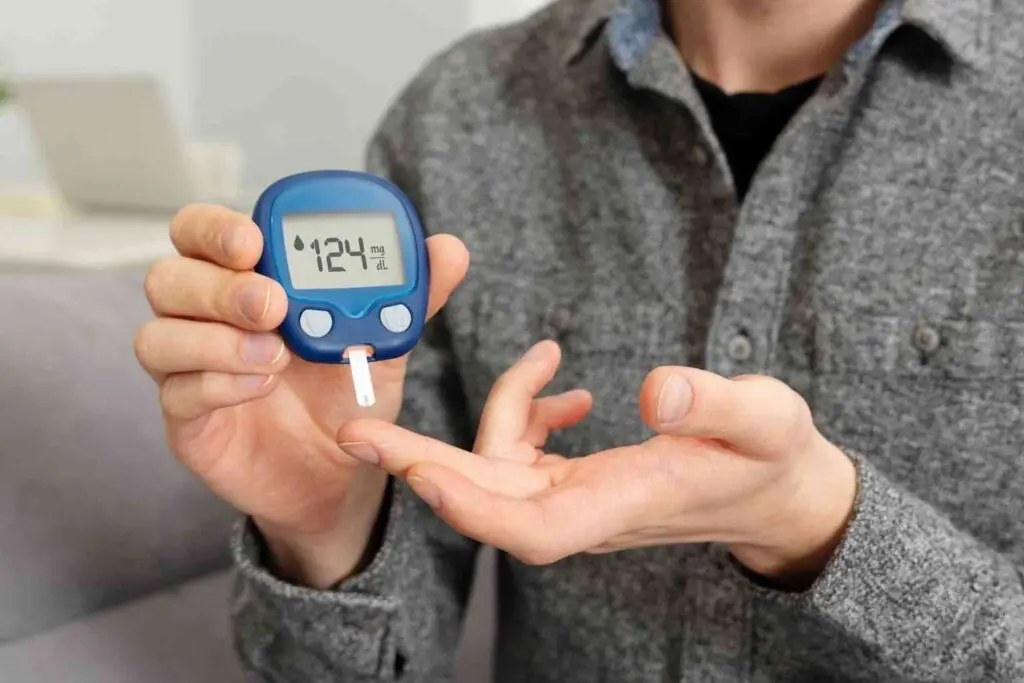
A systematic review and meta-analysis published in PLOS ONE analyzed 16 randomized controlled trials involving 770 participants — both people with diabetes and healthy adults — and found that ginseng supplementation produced a statistically significant reduction in fasting blood glucose (mean difference of −0.31 mmol/L, P = 0.03). While this effect is modest in absolute terms, it is consistent across diverse populations and study designs.
A landmark randomized, double-blind, placebo-controlled trial published in Nutrition, Metabolism and Cardiovascular Diseases found that Korean red ginseng at 6g per day for 12 weeks improved plasma glucose levels by 8–11% and plasma insulin regulation by 33–38% in people with well-controlled type 2 diabetes, beyond the effect of their standard diabetes therapy. More recent data from a 2025 randomized controlled trial confirmed significant reductions in fasting blood glucose, two-hour post-load glucose, and HbA1c in participants with impaired glucose regulation and newly diagnosed type 2 diabetes.
Important context: ginseng’s blood sugar effects are most meaningful in people with impaired glucose regulation or type 2 diabetes. Effects in healthy adults with normal blood sugar are smaller and less consistent. As with all blood sugar-active compounds, anyone on diabetes medication should consult their physician before adding ginseng, as additive effects could push glucose too low.
3. Cognitive Function and Mental Clarity
The cognitive evidence for Panax ginseng is promising and increasingly well-supported. A randomized, double-blind, placebo-controlled clinical trial involving 90 volunteers with mild cognitive impairment, published in Evidence-Based Complementary and Alternative Medicine, found that Panax ginseng supplementation significantly improved cognitive function scores, memory, and executive function over 24 weeks. The proposed mechanisms — improved cerebral blood flow via nitric oxide, reduced neuroinflammation, and antioxidant protection of neural tissue — are all biologically plausible and supported by mechanistic research.

Multiple shorter-term trials have also documented improvements in working memory, reaction time, and mental arithmetic performance in healthy adults. A key finding across these studies is that cognitive benefits appear relatively quickly — within hours of a single dose in some trials — suggesting that the cerebral blood flow mechanism produces near-term effects alongside the longer-term neuroprotective effects from sustained use.
The 200–400mg standardized extract range appears most effective for cognitive outcomes, with the 400mg dose showing the most consistent results across trials. Higher doses do not appear to proportionally improve cognitive performance and may produce mild stimulant-like effects that actually impair focus in some individuals.
4. Erectile Function and Male Sexual Health
Korean red ginseng has a meaningful body of clinical research specifically on erectile function — one of the more frequently studied applications of ginseng in human trials.

A systematic review of randomized controlled trials examined the evidence for Korean red ginseng in men with erectile dysfunction and found consistent improvements in erectile function scores across multiple trials using 3g per day of Korean red ginseng. The primary mechanism is nitric oxide-mediated relaxation of penile smooth muscle — the same pathway used by PDE5 inhibitors, though through a different upstream mechanism. Ginseng promotes nitric oxide synthesis from endothelial cells and from non-adrenergic, non-cholinergic (NANC) nerves in the corpus cavernosum, facilitating the vasodilation necessary for erection.
On testosterone specifically, the evidence is more limited. A review of seven randomized controlled trials on ginseng and testosterone found that only one — a study in overweight men with metabolic syndrome — showed a significant testosterone increase (approximately 5.6%). Most studies in healthy men showed no effect on testosterone levels. This positions ginseng’s male health benefits as primarily vascular and functional rather than hormonal — making it complement rather than duplicate the mechanisms of Tongkat Ali or Ashwagandha in multi-ingredient formulas.
5. Immune Function and Resilience
Panax ginseng has a well-developed body of evidence supporting its immune-modulating effects. Multiple randomized controlled trials have found that ginseng supplementation reduces the frequency and duration of upper respiratory infections, improves natural killer cell activity, and supports immunoglobulin levels — particularly IgA, the primary antibody in mucosal immunity.

These immune effects are particularly relevant for people dealing with high physical or psychological stress loads, which are associated with immune suppression. The adaptogenic action of ginseng — normalizing immune responses rather than simply stimulating them — makes it appropriate for long-term daily use without the concern of immune overstimulation that some other immune-active botanicals carry.
Who Can Benefit Most from Panax Ginseng?
• Adults experiencing chronic fatigue or low energy — particularly those whose fatigue is not simply sleep debt but reflects stress load, metabolic dysfunction, or reduced physical capacity
• People managing blood sugar — especially those with impaired fasting glucose, insulin resistance, or type 2 diabetes looking for evidence-based complementary support
• Adults over 40 concerned about cognitive aging — where ginseng’s combination of improved cerebral blood flow, anti-inflammatory activity, and antioxidant protection addresses multiple drivers of age-related cognitive decline
• Men dealing with erectile dysfunction or reduced sexual confidence — particularly where the issue is vascular rather than purely hormonal
• Active people and athletes — seeking natural support for endurance, recovery, and sustained performance without stimulants
• Anyone with high immune demands — frequent illness, high stress loads, or periods of intense physical training where immune resilience is a concern
Panax ginseng is less likely to produce dramatic effects as a standalone ingredient in people who are already metabolically healthy, well-rested, and without specific energy or blood sugar concerns. Its greatest value is as part of a multi-ingredient approach targeting the specific physiological gaps it is best equipped to address.
Panax Ginseng in Modern Supplements: Three Formulas, Three Contexts
For Blood Sugar and Metabolic Balance — Sugar Defender
Panax ginseng is one of the core ingredients in Sugar Defender, a daily liquid formula designed to support healthy blood sugar levels and metabolic function. Within this formula, ginseng contributes its insulin sensitization and fasting blood glucose-lowering mechanisms alongside Chromium (which enhances insulin receptor signaling) and Gymnema Sylvestre (which reduces glucose absorption and supports pancreatic function). The three ingredients address different points in the glucose metabolism pathway — making the combination more comprehensive than any single ingredient alone. Sugar Defender’s liquid format may also support faster absorption of ginseng’s ginsenosides compared to standard capsule delivery.

For Prostate Health and Men’s Vitality — ProstaVive
In ProstaVive, a powder formula designed for men dealing with the converging concerns of urinary comfort, energy, and declining vitality, Panax ginseng bridges the gap between the formula’s prostate-focused and vitality-focused ingredient layers. Ginseng’s nitric oxide-mediated vascular support is directly relevant to urinary flow and prostate tissue health — separate from its better-known benefits for sexual function. Its anti-fatigue and immune-modulating properties complement Ashwagandha’s stress and sleep support and Tongkat Ali’s testosterone optimization, creating a broader quality-of-life coverage that a prostate-only formula couldn’t deliver.

For Stimulant-Free Fat Burning and Metabolic Support — CitrusBurn
CitrusBurn positions ginseng differently — as the energy and metabolic efficiency layer within a thermogenic formula. In the context of CitrusBurn, Korean red ginseng contributes its blood sugar stabilization and sustained energy mechanisms alongside Berberine (which activates AMPK and improves insulin sensitivity) and Seville orange peel (which provides gentle thermogenic activity). For people trying to manage weight who struggle with energy crashes, cravings, and the fatigue that often accompanies caloric restriction, ginseng’s role in the formula is to support metabolic efficiency and sustained energy without adding stimulants to a formula that is already working through botanical thermogenics.

Dosage, Timing, and Safety
Dosage
For cognitive function and general energy: 200–400mg per day of standardized extract (4–10% ginsenosides). The 400mg dose shows the most consistent cognitive benefits across trials. This can be taken as a single morning dose.
For blood sugar support: Higher doses have been used in diabetes trials — typically 2–6g per day of Korean red ginseng root or rootlets (not extract), taken before meals. If using a standardized extract for metabolic purposes, look for protocols that use 200–400mg extract two to three times daily with meals.
For erectile function: Clinical trials specifically targeting erectile dysfunction have used 3g per day of Korean red ginseng (root, not extract equivalent), divided into three 1g doses with meals. This is a higher dose than the cognitive and energy dosing, reflecting the specific vascular dose-response for this application.
Onset timeline: Some cognitive and energy effects appear within hours of a single dose via the nitric oxide pathway. More significant and sustained benefits — in blood sugar, immune function, and fatigue — typically require 4–12 weeks of consistent use. Unlike ashwagandha or berberine, ginseng has some acute effects that complement its cumulative benefits.
Safety and Precautions
Panax ginseng has a strong safety record at standard doses in healthy adults across thousands of years of use and decades of clinical research. The most commonly reported side effects at higher doses include mild insomnia, headache, or GI discomfort — effects that typically resolve with dose reduction or are avoided by not taking ginseng in the evening.
Important precautions:
• Blood sugar medications: Ginseng can lower blood glucose and may amplify the effect of insulin, metformin, or other diabetes drugs — potentially causing hypoglycemia. Anyone on diabetes medication must discuss ginseng supplementation with their physician.
• Blood thinners: Ginsenosides may have mild antiplatelet effects. People taking warfarin, aspirin therapy, or other anticoagulants should consult their physician, particularly before surgery.
• Hormone-sensitive conditions: Ginseng has mild estrogenic activity in some ginsenoside fractions. People with hormone-sensitive cancers or conditions should seek medical guidance.
• Stimulants and caffeine: Ginseng’s mild stimulating ginsenosides can combine additively with caffeine or other stimulants. Taking high-dose ginseng with multiple cups of coffee late in the day may disrupt sleep.
• Autoimmune conditions: Ginseng’s immune-stimulating activity may not be appropriate for people with autoimmune conditions or on immunosuppressant therapy.
• Pregnancy: Not recommended during pregnancy due to insufficient safety data and potential hormonal activity.
Frequently Asked Questions
What is the difference between Panax ginseng and Siberian ginseng?
They are completely different plants with different active compounds and different evidence profiles. Panax ginseng (Panax ginseng C.A. Meyer) contains ginsenosides as its primary actives and has by far the strongest clinical research base. Siberian ginseng (Eleutherococcus senticosus) contains eleutherosides and has a much smaller clinical literature. American ginseng (Panax quinquefolius) is a true Panax species with its own ginsenoside profile — different from Korean ginseng, with somewhat more sedating properties. When research on ‘ginseng’ is cited, it almost always refers to Panax ginseng unless otherwise specified.
Is Korean red ginseng stronger than regular ginseng?
Korean red ginseng is the steamed and dried form of Panax ginseng root — the same plant, processed differently. The steaming process converts certain ginsenosides into more bioavailable forms, particularly producing compound K and Rg3, which have stronger anti-inflammatory and antioxidant activity than their precursors. For most therapeutic applications — particularly blood sugar, erectile function, and fatigue — Korean red ginseng has the stronger clinical research base. For cognitive effects, either standardized extract form appears effective.
How long does ginseng take to work?
Some effects — particularly cognitive clarity and the energy-supporting effects — can appear within a few hours of taking a dose, mediated primarily by the nitric oxide pathway improving cerebral and peripheral blood flow. More significant cumulative effects on blood sugar, fatigue, and immune function typically require 4–8 weeks of consistent daily use. The full range of adaptogenic benefits in clinical trials has generally been observed at 8–12 weeks.
Can I take ginseng with ashwagandha or Tongkat Ali?
Yes — ginseng’s mechanisms are largely complementary to both. Ashwagandha primarily works through cortisol reduction and GABA-mimetic activity. Tongkat Ali works through SHBG inhibition and LH stimulation. Ginseng’s primary mechanisms are nitric oxide synthesis, insulin sensitization, and immune modulation — all operating through different pathways. The main consideration is avoiding excessive stimulant-type activity if combining ginseng with other energizing compounds, and being mindful of cumulative blood sugar effects if also taking berberine or other glucose-lowering ingredients.
Does ginseng raise testosterone?
Not reliably in healthy men, based on the clinical literature. Of seven randomized controlled trials examining ginseng’s effect on testosterone, only one showed a significant increase — and that was specifically in overweight men with metabolic syndrome, where the blood sugar improvement may have secondarily supported hormonal function. In generally healthy men with normal testosterone, ginseng supplementation does not consistently raise testosterone levels. Its male health benefits are primarily vascular (erectile function, circulation) and metabolic (energy, blood sugar) rather than hormonal.
What is the best time of day to take ginseng?
Morning is optimal for most uses — ginseng’s mildly stimulating ginsenosides can interfere with sleep if taken in the evening. For blood sugar management, taking it 30–40 minutes before meals produces the strongest post-meal glucose effects, consistent with how it was dosed in clinical trials. For cognitive performance specifically, a morning dose of 200–400mg of standardized extract fits naturally into a daily routine and aligns with peak brain activity windows for most people.
Is it safe to take ginseng every day long-term?
The published clinical evidence supports daily use for periods of 12–24 weeks without significant safety concerns. Some traditional practitioners recommend cycling — 8–12 weeks on, a short break — to prevent tolerance development and maintain sensitivity, though there is no firm clinical evidence that tolerance actually develops at typical doses. Annual check-ins with a physician are a reasonable precaution for people using ginseng as part of a long-term supplement protocol, particularly if managing blood sugar or taking medications.
The Bottom Line on Panax Ginseng
Panax ginseng earns its place as one of the most studied and most broadly applicable botanical supplements available — but its benefits are more specific than its universal reputation suggests. The blood sugar evidence is genuinely solid, covering multiple meta-analyses and consistent clinical results across diverse populations. The cognitive and energy evidence is well-supported by mechanistic plausibility and a growing clinical trial base. The erectile function data is meaningful for the right population. The immune effects add real complementary value.
The honest caveats matter equally: ginseng is not a universal testosterone booster, not a substitute for diabetes medication, and not dramatically effective in people who are already metabolically healthy with no specific deficits to correct. Extract quality and ginsenoside standardization determine whether a product will replicate the clinical research results — which is why choosing products that specify ginsenoside content is non-negotiable.
For those interested in how Panax ginseng is deployed within multi-ingredient formulas targeting different aspects of metabolic and male health, our reviews of Sugar Defender, ProstaVive, and CitrusBurn each cover how ginseng is positioned alongside complementary ingredients — and what real users report after consistent use.
Disclaimer: This article is for informational and educational purposes only. It does not constitute medical advice. If you take diabetes medication, blood thinners, or immunosuppressants, or if you have a hormone-sensitive condition, consult a qualified healthcare provider before starting ginseng supplementation.