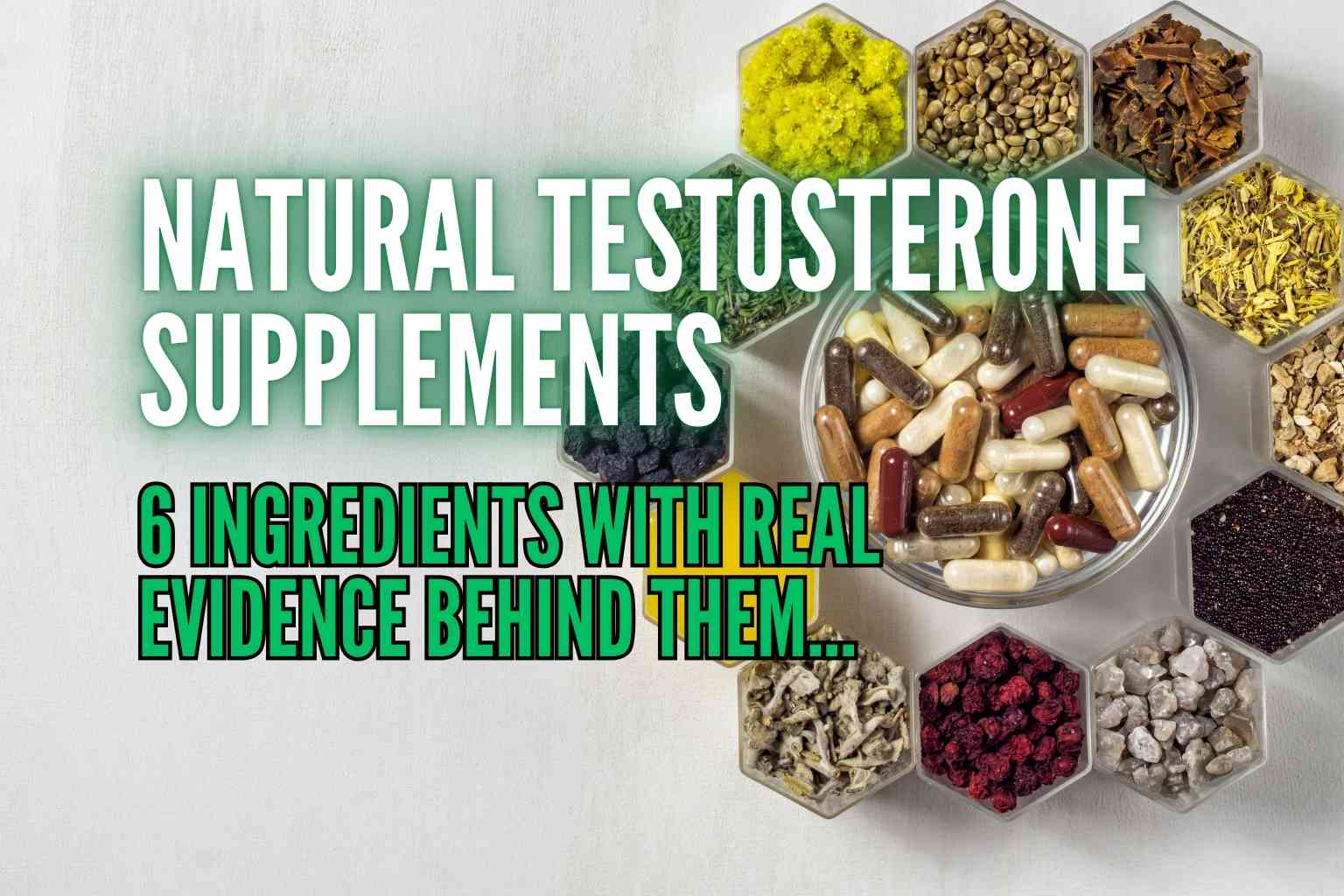
For men searching for natural testosterone supplements that actually work, the difference between real results and wasted money almost always comes down to one thing: the quality of the clinical evidence behind each ingredient — not the marketing on the label. This guide focuses specifically on natural testosterone supplements that have earned their place through peer-reviewed human trials — not through advertising spend.
The supplement industry around testosterone is one of the most overcrowded and overpromised spaces in men’s health, and separating genuine science from wishful branding requires more than reading product pages. This guide cuts through that noise. Every ingredient covered here has human clinical trial data behind it, a well-understood mechanism of action, and a realistic expectation of what it can and cannot deliver.
Why Testosterone Declines — And Why Most Men Don’t See It Coming
The low testosterone symptoms in men rarely present as a single obvious event. What most men experience is a gradual erosion — lower energy, slower recovery, declining libido, growing difficulty maintaining muscle mass — symptoms that are easy to attribute to stress or aging, but that frequently have a measurable hormonal cause at their root.
Beginning around age 30, testosterone levels decline at an estimated rate of 1–2% per year. By the mid-40s, a man may have lost 20–30% of his peak testosterone. By his early 60s, that figure can exceed 35% compared to younger years. The clinical term for this trajectory is late-onset hypogonadism, and research estimates it affects up to 39% of men over 45 — the majority of whom have never been tested or treated.
What makes the decline particularly difficult to catch early is its multi-symptom presentation. Low energy alone could be poor sleep. Reduced libido alone could be relationship stress. Difficulty building muscle alone could be training errors. But when several of these signs appear together and persist despite lifestyle corrections, the hormonal dimension deserves serious attention.
The biology behind the decline is well understood. Testosterone production is governed by the hypothalamic-pituitary-gonadal (HPG) axis — a hormonal cascade involving the brain, pituitary gland, and testes. As men age, this axis becomes less responsive and less efficient. Chronic psychological stress compounds the problem: cortisol, the body’s primary stress hormone, directly suppresses HPG axis activity, reducing testosterone output at multiple points in the cascade. Sex hormone-binding globulin (SHBG), a protein that binds testosterone in the bloodstream and renders it biologically inactive, also rises with age — meaning that even men with nominally “normal” total testosterone may have low free testosterone, the fraction that actually acts on tissues.
The downstream consequences extend far beyond energy and libido. Low testosterone is independently associated with increased visceral fat, reduced bone mineral density, depressive symptoms, cognitive decline, and impaired cardiovascular function. It creates a self-reinforcing cycle: hormonal decline reduces motivation to exercise and disrupts sleep, and both of those changes further suppress testosterone production. Understanding this cycle is the first step toward interrupting it.
Foods and Lifestyle Habits That Support Testosterone Naturally
Understanding how to increase testosterone naturally starts with a clear-eyed recognition that no supplement works in isolation. Diet, sleep quality, resistance training, and stress management create the hormonal environment that determines whether natural testosterone supplements produce meaningful results — or none at all. Supplements are amplifiers of a functional foundation, not substitutes for one.
Resistance training is the most potent non-pharmacological stimulus for testosterone available. Compound movements — squats, deadlifts, rows, overhead press — that recruit large muscle groups produce the most significant acute testosterone spikes and, over time, help preserve HPG axis sensitivity. Men who strength train consistently maintain meaningfully higher testosterone levels than sedentary counterparts of the same age.
Sleep is non-negotiable. Approximately 70% of daily testosterone production occurs during sleep, particularly during slow-wave deep sleep stages. A landmark University of Chicago study found that restricting sleep to five hours per night for one week reduced daytime testosterone in healthy young men by 10–15%. No supplement compensates for chronic sleep debt. Consistently achieving seven to nine hours of quality sleep — with a stable sleep-wake schedule and a dark, cool sleeping environment — is the single highest-leverage intervention most men are not treating seriously enough.
Diet shapes the hormonal substrate directly. Zinc, found in oysters, beef, pumpkin seeds, and legumes, is required for testosterone biosynthesis and is commonly deficient in men who avoid animal products. Vitamin D, synthesized through sun exposure and found in fatty fish and fortified foods, correlates directly with testosterone levels in multiple population studies. Healthy dietary fats from olive oil, avocado, and nuts provide the cholesterol backbone from which testosterone is synthesized. Cruciferous vegetables support the clearance of excess estrogen. Conversely, excess alcohol, ultra-processed foods, and high-glycemic dietary patterns impair testosterone through multiple overlapping mechanisms.
Stress management — through structured practice, adequate leisure, or simply reducing chronic overcommitment — directly influences the cortisol-testosterone balance. Men who manage chronic stress demonstrate consistently better testosterone profiles than those who don’t, independent of other lifestyle variables.
With this foundation in place, the natural testosterone supplements discussed below produce their most meaningful and measurable effects — and for men who have these lifestyle variables reasonably dialed in, the clinical evidence suggests that the right natural testosterone supplements can deliver improvements in free testosterone, energy, and libido that are both real and sustainable.
The 6 Best Natural Testosterone Supplements: Ingredients With Clinical Evidence
The best natural testosterone supplements are not defined by flashy branding or proprietary blends with undisclosed doses. They are defined by the quality and consistency of human clinical trials behind each ingredient. The six compounds below meet that standard — each with a well-understood mechanism, peer-reviewed research in human subjects, and a realistic profile of what results to expect and on what timeline.
Tongkat Ali: The Most Researched Herb for Free Testosterone and Male Vitality
Among natural testosterone supplements, Tongkat Ali stands out for addressing not just testosterone production but free testosterone availability — the biologically active fraction that actually determines how a man feels and performs day to day. This distinction matters enormously for men over 40, in whom rising SHBG levels increasingly bind circulating testosterone and render it physiologically inert, even when total testosterone appears within normal range on a standard blood panel.
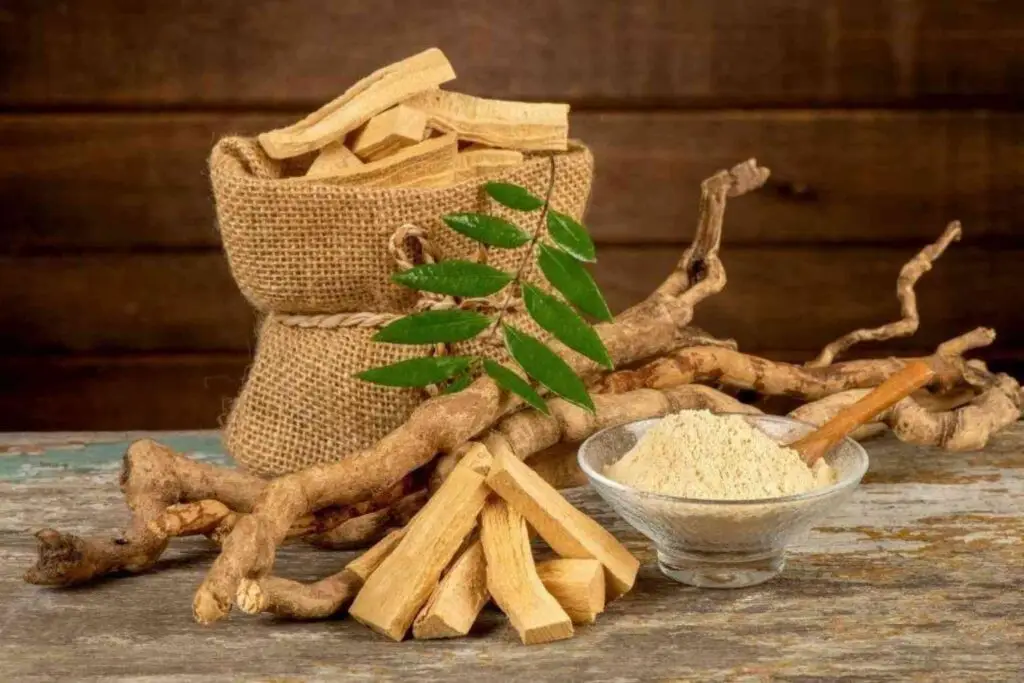
Tongkat Ali — known botanically as Eurycoma longifolia and also called Longjack — is a flowering plant native to the rainforests of Malaysia and Indonesia with centuries of use as a male tonic in traditional Southeast Asian medicine. Its bioactive compounds, quassinoids, appear to work through two complementary pathways: stimulating the Leydig cells in the testes to produce more testosterone, and reducing the binding affinity of SHBG, effectively increasing the proportion of free, biologically active testosterone in circulation.
The clinical evidence is substantive. A double-blind, placebo-controlled trial published in the Journal of the International Society of Sports Nutrition found that men receiving a standardized Tongkat Ali extract for four weeks showed significantly increased free testosterone, reduced cortisol levels, and improved scores on standardized stress and vitality assessments compared to placebo. A 2022 systematic review in Phytomedicine evaluating multiple controlled trials concluded that Tongkat Ali produced consistent improvements in testosterone levels, sexual function, and physical performance metrics across diverse study populations.
Research doses center on 200–400 mg per day of a standardized extract, with the LJ100 form — a 100:1 water-soluble extract — appearing most consistently in the literature. Effects on free testosterone and libido typically begin to emerge after four to six weeks of consistent use. Tongkat Ali is generally well tolerated at standard doses, with no significant adverse effects identified in clinical trials.
For a complete breakdown of the evidence: Tongkat Ali Benefits: Testosterone, Performance & Vitality.
Ashwagandha: The Adaptogen That Raises Testosterone by Lowering Cortisol
The clinical case for ashwagandha testosterone benefits in men rests on a well-understood and directly measurable mechanism: by reducing chronic cortisol elevation, ashwagandha removes one of the most consistent and quantifiable suppressors of natural testosterone production. This is not a speculative pathway — it is observable in human trials through simultaneous measurement of cortisol reduction and testosterone increase.
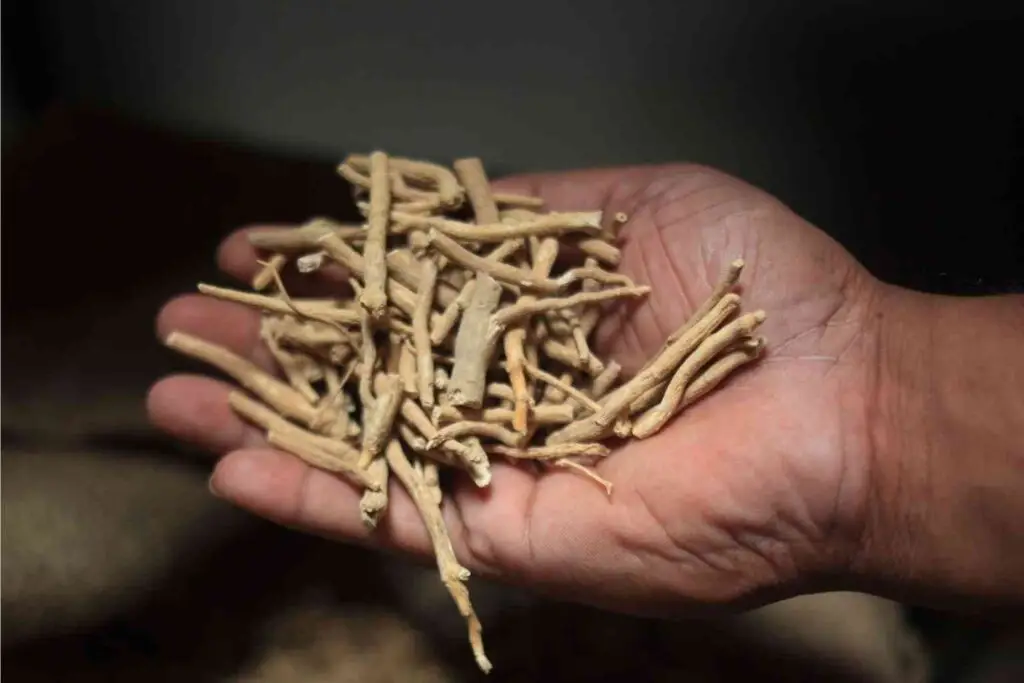
Ashwagandha (Withania somnifera) is a medicinal root central to Ayurvedic practice for over three thousand years. Its bioactive compounds — withanolides — have been shown in multiple randomized controlled trials to reduce cortisol secretion by modulating the hypothalamic-pituitary-adrenal (HPA) axis. Because the HPA axis and the HPG axis share regulatory overlap, chronic cortisol suppression from ashwagandha creates measurable downstream relief on testosterone production.
A highly cited double-blind RCT published in the American Journal of Men’s Health found that overweight men aged 40–70 who received ashwagandha extract delivering 21 mg of withanolide glycosides daily for eight weeks experienced a 16.6% increase in testosterone compared to placebo, alongside significant improvements in fatigue scores and quality of life measures. A separate trial in younger healthy men given 600 mg of root extract daily for eight weeks reported a 14.7% testosterone increase and meaningful gains in muscle strength and exercise recovery. A third study specifically targeting men with low sperm count found both testosterone improvements and significant sperm quality gains.
Beyond testosterone, ashwagandha’s impact on sleep quality, perceived stress, and muscle recovery makes it arguably the most comprehensively useful adaptogen in a men’s vitality stack — addressing the hormonal environment from multiple angles simultaneously.
The most studied standardized extracts are KSM-66 and Sensoril, at doses of 300–600 mg per day. It is well tolerated in most men, with rare reports of mild gastrointestinal discomfort. Men with thyroid conditions should consult a physician, as ashwagandha may influence thyroid hormone levels.
Full evidence profile: Ashwagandha Benefits: Stress, Testosterone & Recovery.
Maca Root: Natural Energy and Libido Support Without Raising Testosterone
Maca root benefits for men’s libido and energy are well-documented in the clinical literature — but it is important to distinguish precisely what the evidence shows, because this distinction changes how maca should be positioned in a supplementation strategy. Maca does not raise serum testosterone. Multiple human trials measuring testosterone concentrations before and after maca supplementation have found no statistically significant change. A systematic review specifically evaluating maca’s effect on testosterone was unambiguous on this point.

What maca does deliver, consistently and across multiple well-designed trials, are genuine improvements in sexual desire, physical endurance, subjective energy, and mood — through mechanisms that operate independently of testosterone. The plant’s unique bioactive compounds, macamides and macaenes, appear to interact with the endocannabinoid system and hypothalamic-pituitary axis in ways that modulate sexual function and energy perception without requiring hormonal change as an intermediary.
A randomized double-blind crossover trial published in Andrologia found that men supplementing with maca reported significantly increased sexual desire after 8 and 12 weeks, with no corresponding change in testosterone or estrogen levels. A separate study in male cyclists found that 14 days of maca supplementation improved 40 km time trial performance compared to placebo. Research in men with antidepressant-induced sexual dysfunction — where libido suppression is pharmacological rather than hormonal — showed meaningful improvements in sexual function scores with maca supplementation.
The practical implication is clear: maca is a genuine and effective supplement for libido, endurance, and vitality — it is simply not a testosterone supplement. For men whose primary concern is sexual desire and physical energy, this distinction changes nothing about its value. For men specifically targeting serum testosterone, maca complements but does not replace the hormone-active ingredients in this list.
Standard research doses range from 1.5–3 g per day of root powder or extract. Maca has one of the most favorable safety profiles of any supplement in this category, with no significant drug interactions identified in the literature.
More on maca’s evidence base: Maca Root Benefits: Libido, Energy & What the Science Shows.
Panax Ginseng: Erectile Function, Energy, and Hormonal Support in One Root
The breadth of Panax ginseng benefits for men — spanning erectile function, physical endurance, cognitive clarity, and modest hormonal support — makes it one of the most versatile natural testosterone supplements available, particularly for men managing multiple dimensions of vitality simultaneously rather than a single isolated concern.
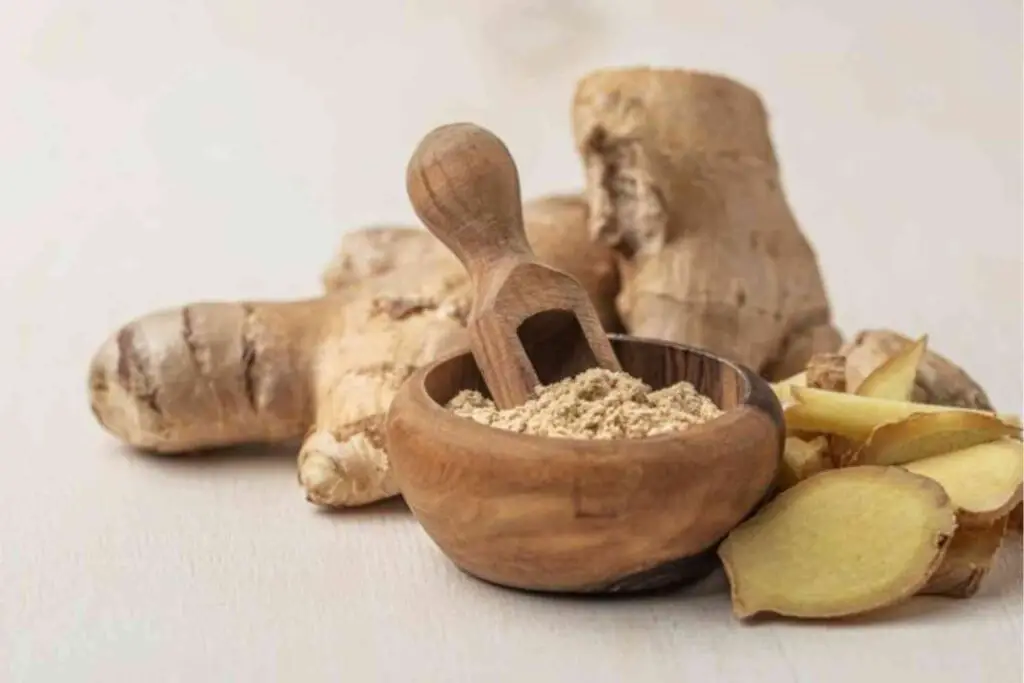
Panax ginseng (Panax ginseng C.A. Meyer) — Korean or Asian ginseng — has accumulated one of the longest and most extensive research records of any medicinal plant. Its primary bioactive compounds, ginsenosides, operate across multiple physiological systems: enhancing nitric oxide production in vascular and penile tissue to improve blood flow, modulating pancreatic beta-cell and Leydig cell function, reducing oxidative stress in muscle tissue during exercise, and supporting dopaminergic activity in the brain associated with drive and motivation.
On the sexual health front specifically, a rigorous meta-analysis published in the British Journal of Clinical Pharmacology evaluated seven randomized controlled trials on Panax ginseng and erectile dysfunction, finding significant improvements in erectile function scores compared to placebo — with the proposed mechanism involving ginsenoside-driven enhancement of penile nitric oxide synthesis, promoting vasodilation and improved erectile response through a pathway pharmacologically related to, but mechanistically distinct from, PDE5 inhibitors.
For physical performance, a 2020 meta-analysis in the Journal of Ginseng Research confirmed consistent improvements across multiple study designs — reduced exercise-induced fatigue, improved oxygen utilization, and accelerated post-exercise recovery. On testosterone specifically, while ginseng’s hormonal effects are less consistent and dramatic than Tongkat Ali or ashwagandha, some trials in older men do report modest improvements in free testosterone and luteinizing hormone levels.
Research doses range from 200–3,000 mg per day of root extract, with most clinical benefits demonstrated in the 1,000–2,000 mg range. Standardization for ginsenoside content is critical for ensuring potency consistency across products.
Complete evidence overview: Panax Ginseng Benefits: Energy, Sexual Health & Vitality.
Zinc: The Essential Mineral Most Men Are Deficient In — And Why It Matters for Testosterone
Zinc for testosterone deficiency is one of the most straightforward and evidence-backed interventions in men’s hormonal health: when zinc is low, testosterone synthesis is directly and measurably impaired — and correcting that deficiency produces reliable hormonal improvements, often more consistently than any herbal supplement. This is not a subtle or indirect effect. Zinc is structurally required for the enzymatic function of the HPG axis, and its absence creates a hard biochemical bottleneck on testosterone production that no adaptogen can compensate for.
Zinc is an essential trace mineral — the body cannot produce it and must obtain it through diet. It plays a direct role in luteinizing hormone (LH) activity, which signals the testes to produce testosterone, and inhibits aromatase, the enzyme that converts testosterone into estrogen. It is also critical for sperm production, DNA integrity in reproductive cells, and prostate tissue health.
A foundational study published in Nutrition found that zinc-deficient men who supplemented with zinc for six months experienced close to a doubling of serum testosterone levels. Research in older men with marginal zinc deficiency showed consistent testosterone improvements with supplementation. Athletes and men with high physical activity levels are particularly vulnerable to zinc depletion, as the mineral is lost in meaningful quantities through sweat.
The dietary reality is that many American men consume less zinc than the recommended 11 mg per day — particularly those who limit red meat, shellfish, and legumes. The problem compounds with age, as zinc absorption efficiency declines across the decades. Supplemental zinc at 15–30 mg per day, in highly bioavailable forms like zinc picolinate or zinc bisglycinate, is the standard recommendation for correcting deficiency. Importantly, long-term supplementation above 40 mg per day can interfere with copper absorption — adequacy is the goal, not excess.
Fenugreek: The Clinical Evidence for Testosterone, Libido, and Body Composition
As a fenugreek testosterone supplement, this plant works through a distinct enzymatic mechanism — inhibiting aromatase and 5-alpha reductase, the two enzymes responsible for converting testosterone into estrogen and dihydrotestosterone respectively — leaving more free and total testosterone available in circulation. This is a pharmacologically meaningful pathway with meta-analysis data to support it, not simply a traditional use claim.
Fenugreek (Trigonella foenum-graecum) is familiar as a culinary spice throughout the Mediterranean and South Asia, but its steroidal saponin compounds — particularly fenuside — have attracted serious research attention for their hormonal effects. By simultaneously reducing testosterone’s conversion to estrogen (via aromatase inhibition) and DHT (via 5-alpha reductase inhibition), fenugreek effectively shifts the hormonal balance in favor of free testosterone without stimulating new testosterone production directly.
A meta-analysis published in Phytotherapy Research pooling data from multiple randomized controlled trials found statistically significant increases in total testosterone with fenugreek supplementation. A well-designed double-blind trial in the International Journal of Sport Nutrition and Exercise Metabolism found that men taking 500 mg of fenugreek extract daily for eight weeks showed significant improvements in both free testosterone and body composition metrics — reduced fat mass and preserved lean mass — compared to placebo. Additional trials have documented improvements in libido scores and sexual function.
Fenugreek also demonstrates meaningful effects on insulin sensitivity through its soluble fiber and galactomannan content, which slow carbohydrate absorption and blunt postprandial glucose response. For men in whom excess body fat and insulin resistance are contributing to testosterone suppression through increased aromatase activity in adipose tissue, this secondary metabolic benefit makes fenugreek a particularly well-rounded addition to a hormonal support stack.
Standard research doses are 500–600 mg per day of a standardized extract. Fenugreek is well tolerated at these doses, with the primary noted side effect being a harmless maple syrup-like odor in sweat and urine. Men on blood sugar medications should monitor glucose levels given fenugreek’s real glycemic effects.
Complete Formulas: Natural Testosterone Supplements That Combine These Ingredients
For testosterone supplements for men over 40 who want a comprehensive approach without assembling and managing six separate products daily, the formulas below combine the most evidence-backed ingredients from this list into daily-use supplements designed around the specific hormonal and vitality challenges of aging men. Both are worth understanding in detail — because they address the problem from complementary angles.
Spartamax: A Multi-Ingredient Formula for Testosterone, Performance, and Drive
Spartamax combines Tongkat Ali, maca root, and Panax ginseng alongside circulatory and adaptogenic support compounds — making it one of the more complete natural testosterone supplements for men seeking performance, libido, and hormonal support in a single daily formula. Rather than relying on a single mechanism, it targets testosterone availability, sexual function, physical performance, and energy through a multi-ingredient approach that reflects how these dimensions of vitality actually interact in practice.

For men in the 40–65 range dealing simultaneously with declining free testosterone, reduced physical recovery, and lower libido, Spartamax’s formula covers more physiological ground than any single ingredient can. The inclusion of Tongkat Ali addresses the SHBG and free testosterone dimension; maca addresses libido and endurance independently of hormone levels; ginseng supports erectile function and physical performance through nitric oxide and ginsenoside pathways.
Full formula breakdown and review: Spartamax Review: Does It Deliver on Men’s Health and Performance?
ProstaVive: Testosterone and Prostate Health for Long-Term Male Vitality
ProstaVive addresses a connection that most testosterone supplements ignore entirely: prostate health and hormonal vitality are deeply interlinked in aging men, and declining testosterone directly contributes to the prostate changes that disrupt sleep, energy, and quality of life after 45. Prostate enlargement — affecting over 50% of men by age 60 — causes the nighttime urination, disrupted sleep, and chronic fatigue that further suppress testosterone in a compounding cycle. Addressing both dimensions simultaneously is not redundant — it is strategically coherent.

ProstaVive’s formula includes ashwagandha and Panax ginseng from our ingredient list alongside prostate-specific compounds that reduce inflammatory burden on the gland and support healthy urinary function. For men who are managing the early signs of both hormonal decline and prostate-related concerns — a very common combination after 45 — it offers a formula designed to address both without requiring two separate supplement regimens.
Full review: ProstaVive Review: Prostate Support That Also Addresses Vitality?
How to Use Natural Testosterone Supplements for Maximum Results
Knowing how to take testosterone supplements naturally — with the right timing, realistic timelines, smart pairing with lifestyle practices, and an understanding of what each ingredient targets — is what separates men who see measurable results from those who try the same ingredients and feel nothing after two weeks.
Address nutritional deficiencies before adding botanicals. Zinc deficiency is widespread among American men and creates a hard biochemical ceiling on testosterone production that no adaptogen can overcome. Before adding Tongkat Ali or fenugreek, verify your zinc and vitamin D status. Correcting these foundational gaps often produces hormonal improvements before any herbal supplement is introduced.
Time fat-soluble ingredients with meals. Most of the ingredients in this list — particularly the herbal extracts — absorb more efficiently when taken with food. Building supplementation into an existing meal routine also improves consistency, which matters far more than precise timing.
Commit to a minimum of eight weeks before evaluating. Ashwagandha, Tongkat Ali, and fenugreek require consistent daily use for six to twelve weeks before meaningful changes in serum testosterone become detectable. HbA1c-equivalent hormonal change takes time. Stopping a supplement after two weeks because nothing dramatic happened is the most common reason men miss results that were beginning to emerge. Consistency is the defining variable that separates natural testosterone supplements that work from ones that appear not to — the ingredient is often not the problem; the timeline is.
Pair supplementation with resistance training. The testosterone-stimulating effects of compound resistance exercise and those of natural testosterone supplements appear to be additive rather than redundant. Men who strength train two to four times per week while supplementing consistently see stronger outcomes than those who supplement without exercise.
Track objectively when possible. If you have access to a healthcare provider willing to order a testosterone panel, baseline bloodwork before starting and a follow-up panel at twelve weeks gives you objective data rather than subjective impressions. Tracking energy, libido, and strength metrics in a simple journal serves as a practical alternative if bloodwork is not accessible.
Consult your physician if you are on medication. Several ingredients in this list — ashwagandha, fenugreek, and ginseng particularly — have real pharmacological activity that can interact with thyroid medications, blood sugar treatments, and anticoagulants. Natural does not mean without effect, and that effect cuts both ways.
Frequently Asked Questions About Natural Testosterone Supplements
Do natural testosterone supplements actually work?
The honest answer to whether natural testosterone supplements work is nuanced: for men with deficiency-driven decline — whether from age, stress, nutritional gaps, or lifestyle factors — the right ingredients produce real and measurable results. For men with clinically normal testosterone levels seeking dramatic transformation, expectations need recalibration. Improvements of 10–40% in testosterone output are clinically meaningful and life-quality impacting, but they are not comparable to pharmacological testosterone replacement therapy. What most men can realistically expect with consistent supplementation is improved energy, better libido, faster recovery, and a more favorable body composition trajectory — not an overnight physical transformation.
Are natural testosterone supplements safe for long-term use?
The natural testosterone supplements with the strongest long-term safety data are those built on well-studied compounds — ashwagandha, zinc, Tongkat Ali, and Panax ginseng — all of which have been evaluated in clinical trials of twelve to twenty-four months without significant adverse events. Risk increases significantly with proprietary blends containing undisclosed doses, stimulant stacks, or synthetic hormone precursors. Sticking to transparently formulated products at research-supported doses, cycling off periodically if using high-dose extracts, and monitoring with occasional bloodwork represents the most conservative long-term approach.
How long does it take to see results?
Timeline varies by ingredient and individual. Maca and ginseng tend to produce the earliest subjective changes in energy and libido — some men notice differences within two to three weeks. Measurable changes in serum testosterone from Tongkat Ali, ashwagandha, and fenugreek typically require six to twelve weeks of consistent daily use. Changes in body composition and strength — which reflect the downstream effects of improved hormonal status — require a minimum of twelve weeks to assess meaningfully.
Can I take these supplements if I’m already on testosterone replacement therapy?
Only with explicit medical supervision. Several ingredients — particularly those that stimulate the HPG axis like Tongkat Ali — may interact unpredictably with exogenous testosterone. The feedback loops involved are complex, and unsupervised combination of natural testosterone supplements with TRT is not advisable without a prescribing physician’s involvement and more frequent blood monitoring.
What is the most important lifestyle change to support testosterone naturally?
If forced to choose one: sleep. The magnitude of testosterone suppression from chronic sleep deprivation is comparable to decades of age-related decline — and it is reversible within days of sleep restoration. No supplement produces gains comparable to consistently achieving seven to nine hours of quality sleep. Get sleep right before optimizing anything else.
The Bottom Line: What Natural Testosterone Supplements Can and Cannot Do
Do natural testosterone supplements work? Yes — with specificity. For men with deficiency-driven decline, the right ingredients produce real and measurable improvements in testosterone, energy, libido, and body composition. For men with clinically normal levels seeking dramatic transformation, the honest expectation is meaningful but modest improvement — not pharmacological-level change.
The six ingredients covered here — Tongkat Ali, ashwagandha, maca root, Panax ginseng, zinc, and fenugreek — are not marketing inventions. They are compounds with peer-reviewed clinical trial data, studied in human populations, showing real effects on the hormonal and vitality markers that matter most to aging men. The key is selecting based on evidence, using research-supported doses, giving interventions sufficient time, and building them on the lifestyle foundation — sleep, resistance training, diet, stress management — that determines whether supplementation amplifies real results or merely fills a gap that lifestyle should have addressed first.
Testosterone decline is real. So is the body’s responsiveness to the right inputs, applied consistently over time.
Disclaimer: This article is for informational and educational purposes only and does not constitute medical advice. The statements presented have not been evaluated by the Food and Drug Administration (FDA). The supplements and ingredients mentioned are not intended to diagnose, treat, cure, or prevent any disease or medical condition. Always consult a licensed healthcare provider before starting any new supplement regimen, particularly if you have a diagnosed hormonal condition, are on prescription medications, or have cardiovascular, thyroid, or prostate health concerns. Some links in this article may be affiliate links; we may earn a commission at no additional cost to you if you purchase through them. Our editorial content remains independent of any affiliate relationships.