
The Blood Sugar Problem Most Americans Don’t See Coming
It rarely announces itself with obvious symptoms. There’s no sharp pain, no fever, no dramatic warning sign. Most of the time, chronically elevated blood sugar builds quietly in the background — for months, sometimes years — before it starts causing damage that’s much harder to reverse.
This is why blood sugar dysregulation has become one of the most pressing — and underestimated — metabolic challenges facing American adults today. According to the CDC, more than 96 million Americans over the age of 18 have prediabetes, a condition where blood glucose levels are elevated but not yet high enough to qualify as type 2 diabetes. Critically, more than 80% of them don’t know it.
Left unaddressed, chronically high blood sugar sets off a cascade of physiological damage that touches virtually every major system in the body. Persistent glucose elevation causes inflammation at the vascular level, gradually damaging the walls of blood vessels — a process that directly raises the risk of cardiovascular disease, the leading cause of death in the United States. Over time, high glucose also damages the kidneys (diabetic nephropathy), the eyes (diabetic retinopathy), and the peripheral nerves (diabetic neuropathy), causing tingling, numbness, and pain in the hands and feet. The brain is not spared either: insulin resistance has been linked to accelerated cognitive decline, and some researchers now refer to Alzheimer’s disease as “type 3 diabetes” given its metabolic underpinnings.
Beyond the serious long-term consequences, day-to-day blood sugar instability has immediate, tangible effects on how you feel. Dramatic spikes and crashes after meals create a recognizable pattern: energy surges followed by fatigue, difficulty concentrating, irritability, and powerful cravings for more sugar or refined carbohydrates — which perpetuate the cycle. Many people living with this pattern assume it’s just “how they are” rather than recognizing it as a metabolic signal worth addressing.
What drives blood sugar out of balance in the first place? The causes are rarely isolated. Modern diets high in refined carbohydrates and added sugars flood the bloodstream with glucose faster than the body can process it, triggering repeated insulin responses that, over time, reduce the sensitivity of insulin receptors. A sedentary lifestyle compounds the problem: muscle tissue is one of the body’s primary sites for glucose disposal, and when muscles are underused, this critical clearance mechanism slows down. Chronic stress adds another layer — cortisol, the primary stress hormone, directly raises blood glucose levels as part of the body’s emergency energy response, a mechanism that was adaptive in ancient survival contexts but becomes problematic when triggered daily by deadlines and screens. Age also plays a role: as we get older, both insulin secretion and insulin sensitivity tend to decline naturally, making blood sugar management increasingly important for adults over 40.
Food First: What You Eat Is the Foundation
Before we discuss supplementation, it’s essential to acknowledge what research consistently confirms: dietary choices are the most powerful lever for blood sugar control, and no supplement replaces a sound nutritional foundation.
Several categories of foods have demonstrated meaningful effects on glucose metabolism:
Non-starchy vegetables — leafy greens, broccoli, zucchini, and bell peppers — are dense in fiber and micronutrients while having minimal impact on blood glucose. Legumes (lentils, chickpeas, black beans) contain a combination of soluble fiber, resistant starch, and plant protein that dramatically slows the absorption of carbohydrates. Whole grains like oats, barley, and quinoa, while still containing carbohydrates, deliver them alongside beta-glucan fiber that buffers the glycemic response. Nuts and seeds provide healthy fats and magnesium — a mineral increasingly recognized as important for insulin function. Fermented foods like yogurt, kefir, and kimchi support the gut microbiome, which plays an emerging and significant role in glucose regulation.
Specific compounds in food also have direct glycemic effects: the polyphenols in cinnamon have been studied for their ability to mimic insulin action; the acetic acid in apple cider vinegar may slow gastric emptying; the quercetin in onions shows anti-inflammatory and insulin-sensitizing properties in early research.
The challenge, however, is consistency and therapeutic dosage. Getting enough of the specific active compounds — in the right amounts, at the right times — from food alone is genuinely difficult for most people living busy lives. This is where targeted supplementation becomes a practical and evidence-informed strategy. Not as a replacement for dietary discipline, but as a meaningful addition to it. The five ingredients below represent the best of what the research supports for natural blood sugar management.
The 5 Most Evidence-Backed Ingredients for Blood Sugar Control
1. Berberine — The Plant Alkaloid That Changed How We Think About Natural Glucose Support
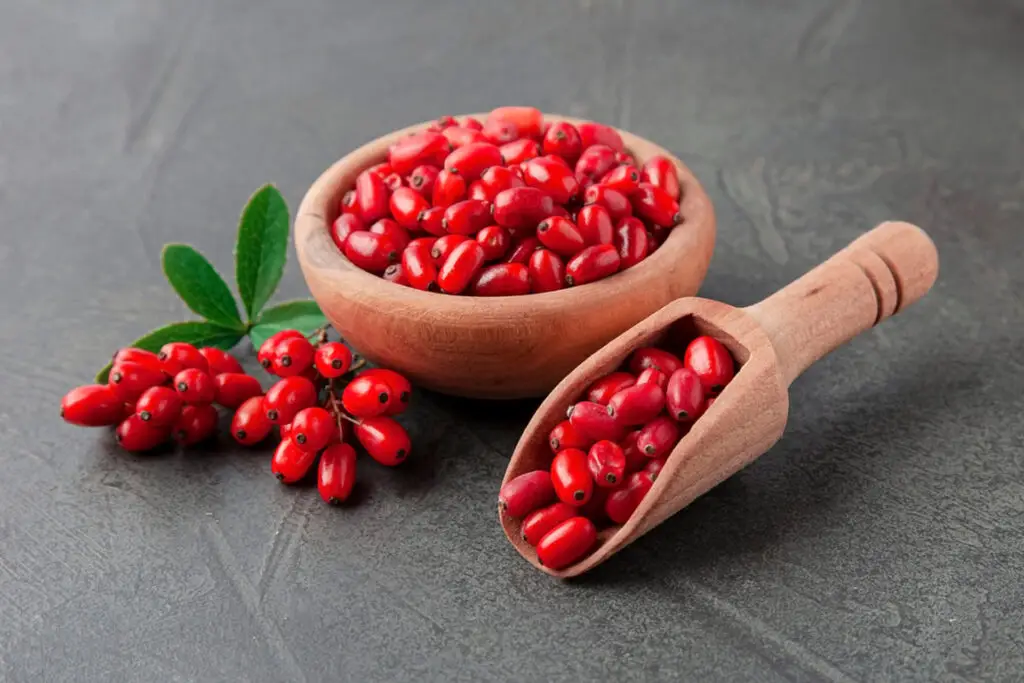
Of all the natural compounds studied for blood sugar management, berberine has arguably accumulated the most compelling body of clinical evidence. Found naturally in the roots and bark of plants like barberry (Berberis vulgaris), goldenseal, and Oregon grape, berberine is an alkaloid with a history of use in traditional Chinese and Ayurvedic medicine — and a growing body of rigorous modern research behind it.
What makes berberine particularly interesting is its mechanism of action. Its primary pathway involves the activation of AMPK — adenosine monophosphate-activated protein kinase — an enzyme often described as the body’s metabolic master switch. AMPK activation enhances glucose uptake into cells, promotes the conversion of glucose into energy rather than fat, and improves the sensitivity of insulin receptors. Berberine also inhibits an intestinal enzyme called alpha-glucosidase, which slows the breakdown and absorption of carbohydrates — an effect similar to the prescription drug acarbose.
Multiple randomized controlled trials have compared berberine directly to metformin, the first-line pharmaceutical treatment for type 2 diabetes, and found comparable reductions in fasting blood glucose, postprandial glucose, and HbA1c. A frequently cited 2008 trial published in Metabolism reported that berberine reduced HbA1c by 2.0% over three months — a clinically significant reduction. A 2012 meta-analysis of 14 randomized trials further confirmed that berberine produced meaningful improvements in glucose regulation and lipid profiles.
The most consistently effective dose in clinical studies is 500 mg taken two to three times daily, with meals. Splitting the dose appears to improve both efficacy and tolerability — gastrointestinal side effects (mild nausea, loose stools) are the most commonly reported issue, and tend to diminish when doses are spread throughout the day.
Important note: Berberine has real, meaningful blood-glucose-lowering effects. If you are already taking metformin or insulin, this is not a supplement to add without medical supervision — the combined effect can cause hypoglycemia.
For a full deep-dive into berberine’s mechanisms, research, and dosage considerations, visit our dedicated post: Berberine Benefits: What the Science Says.
2. Gymnema Sylvestre — The Ayurvedic Sugar Destroyer With Modern Clinical Backing
Gurmar — the Hindi name for Gymnema sylvestre — translates directly as “sugar destroyer,” and while that name might sound like folk medicine hyperbole, modern science has found real mechanisms beneath it.
Gymnema is a woody climbing plant native to the tropical forests of India and Africa, and its leaves contain a group of compounds called gymnemic acids that interact with carbohydrate metabolism in several distinct and clinically relevant ways.

The most immediate and striking effect is at the taste receptor level. Gymnemic acids share a structural similarity with glucose molecules, and when present on the tongue, they competitively occupy the sweet taste receptors — temporarily blunting the perception of sweetness. This isn’t just a party trick: research suggests that reducing the palatability of sweet foods can meaningfully decrease sugar intake and cravings, particularly in people with strong sweet preferences. For anyone struggling with sugar addiction-like patterns, this is a significant functional benefit.
Beyond taste suppression, gymnema appears to reduce the intestinal absorption of glucose by competing with glucose molecules for transporter sites in the small intestine. It also demonstrates the ability to stimulate the regeneration of insulin-producing beta cells in the pancreas — a finding with considerable implications, though most evidence at this stage comes from animal studies. Human trials, however, have shown that supplementation with gymnema leaf extract (at standardized doses of 400–600 mg per day) produces significant reductions in fasting blood glucose and HbA1c over 18 to 24 months of use in people with type 2 diabetes.
One important practical consideration: because gymnema genuinely enhances insulin function, people taking insulin or blood sugar medications need to monitor their glucose levels closely when adding it to their regimen.
Explore the full evidence base for this extraordinary plant: Gymnema Sylvestre Benefits: Blood Sugar, Cravings & More.
3. Chromium — The Essential Trace Mineral Most People Don’t Get Enough Of
Chromium occupies a unique position in the blood sugar conversation because it sits at the intersection of nutrient deficiency and metabolic dysfunction. It is an essential trace mineral — meaning the body cannot produce it and must obtain it through diet — and it plays a foundational role in insulin action.
The mechanism centers on chromodulin, a chromium-binding protein that potentiates the insulin signaling cascade. When chromium levels are adequate, insulin receptors respond more efficiently to the insulin signal, facilitating the movement of glucose from the bloodstream into cells. When chromium is deficient, this signaling is impaired — effectively creating a functional form of insulin resistance independent of other metabolic factors.
The problem is that modern diets are often low in chromium. Refined grain processing removes most of the mineral’s content, and high sugar intake actually accelerates urinary chromium excretion — meaning the people who need chromium most (those eating high-carbohydrate, high-sugar diets) are also the most likely to be depleting their stores. Age compounds this further, as chromium absorption declines with the years.
Supplemental chromium, particularly in the picolinate form (which offers superior bioavailability compared to other forms), has been studied extensively. A comprehensive meta-analysis of controlled trials found that chromium picolinate supplementation led to statistically significant improvements in fasting blood glucose and insulin levels in people with type 2 diabetes. The effects are most pronounced in people who are actually deficient — for those with already-adequate chromium status, the benefits are less dramatic.
Research doses range from 200 to 1,000 mcg per day, with most studies clustering around 400–600 mcg. Chromium picolinate is considered one of the safest mineral supplements available, with no established upper tolerable intake level at typical supplemental doses.
For the complete evidence profile: Chromium Benefits: Insulin Support & Glucose Metabolism.
4. Panax Ginseng — The Adaptogen With a Real Glycemic Track Record
Panax ginseng — also known as Korean or Asian ginseng, and distinct from Siberian or American ginseng — has accumulated a meaningful body of research specifically around glucose metabolism, separate from its broader reputation as an adaptogenic energy booster.

The active compounds responsible for its glycemic effects are ginsenosides, a diverse group of steroidal saponins found in the root. Ginsenosides appear to work through multiple pathways: they enhance the secretory function of pancreatic beta cells (increasing insulin output in response to glucose), improve the insulin-stimulated uptake of glucose into skeletal muscle cells, and modulate hepatic glucose production — reducing the liver’s tendency to release glucose into the bloodstream between meals.
The clinical evidence is encouraging. A 2014 systematic review published in PLOS ONE analyzed multiple randomized controlled trials and found consistent reductions in fasting blood glucose across studies, with a pooled estimate of approximately 10.4 mg/dL reduction. Effects on postprandial glucose — the spike that occurs after eating — are particularly notable. Some studies have found that taking Panax ginseng before meals provides meaningful blunting of the post-meal glucose response, which is clinically relevant given that postprandial spikes are increasingly recognized as independent risk factors for cardiovascular disease.
Standard dosages in research range widely — from 200 mg to 3,000 mg of root extract per day — with effectiveness depending heavily on standardization for ginsenoside content. Unlike stimulant-based supplements, the glycemic benefits of ginseng appear to operate through insulin modulation rather than through any stimulant activity, which makes it suitable for sensitive individuals.
Full evidence overview: Panax Ginseng Benefits: Energy, Blood Sugar & Cognitive Support.
5. Inulin — The Prebiotic Fiber That Regulates Blood Sugar From the Gut Up
The relationship between the gut microbiome and blood glucose regulation is one of the most exciting and rapidly evolving areas of metabolic research — and inulin sits at the center of it.

Inulin is a soluble prebiotic fiber found naturally in chicory root (the richest dietary source, at 35–48% inulin by weight), Jerusalem artichoke, garlic, onion, leeks, and asparagus. As a prebiotic, inulin is not digested in the small intestine. Instead, it travels intact to the colon, where it selectively feeds beneficial bacteria — particularly Bifidobacterium and Lactobacillus strains — that are consistently associated with improved metabolic health.
The blood sugar benefits operate through two distinct mechanisms. The first is microbiome-mediated: when beneficial bacteria ferment inulin, they produce short-chain fatty acids (SCFAs) — particularly butyrate, propionate, and acetate. These SCFAs improve insulin sensitivity in peripheral tissues, stimulate the release of gut hormones (GLP-1 and PYY) that enhance insulin secretion and slow gastric emptying, and reduce systemic inflammation — a major driver of insulin resistance.
The second mechanism is more direct and physical. As a viscous, gel-forming fiber, inulin slows the movement of food through the small intestine and physically interferes with the absorption of glucose — acting as a buffer that spreads the glucose absorption curve over a longer time window, reducing the sharp spikes that follow rapidly digested carbohydrate meals.
Human clinical trials in people with type 2 diabetes have demonstrated statistically significant reductions in fasting blood glucose and HbA1c with inulin supplementation (typically 10–30 g per day), compared to placebo. Effects are also visible in healthy individuals, where inulin supplementation reduces postprandial glucose response to meals.
Practical note: inulin is generally well tolerated, but starting low (3–5 g per day) and increasing gradually is advisable, as rapid introduction of prebiotic fiber can cause temporary gas and bloating while the gut microbiome adjusts.
For the full breakdown of inulin’s gut-glucose connection: Inulin Benefits: Prebiotic Fiber for Gut Health and Blood Sugar.
Complete Supplement Formulas: When You Want All of These Working Together
The five ingredients above are individually well-researched and genuinely effective. But one thing the clinical evidence consistently shows is that these compounds tend to work synergistically — berberine and chromium targeting insulin receptor sensitivity from complementary angles; gymnema reducing glucose absorption while ginseng modulates insulin output; inulin supporting the gut microbiome that enhances the effectiveness of everything else.
For people who don’t want to build and manage a multi-supplement stack — sourcing, dosing, and timing five different ingredients separately — there are complete formulas designed specifically around blood sugar regulation that include many of these exact compounds. Three products that stand out in this space are worth knowing about.
Sugar Defender — A Comprehensive Daily Blood Sugar Formula
Sugar Defender is a liquid daily supplement formulated around the core goal of blood sugar balance and metabolic energy stability. Its formula includes gymnema sylvestre, Panax ginseng, and chromium — three of the five ingredients discussed above — alongside eleuthero (Siberian ginseng), maca root, coleus forskohlii, African mango, and guarana at measured doses. The result is a formula that addresses blood sugar from multiple physiological angles simultaneously: reducing glucose absorption, improving insulin sensitivity, supporting adrenal function, and stabilizing energy without the spikes and crashes of stimulant-heavy products.

The liquid dropper format is worth noting from a practical standpoint. Liquid delivery may offer faster absorption than capsules or tablets, and the format makes precise dosing easy to adjust — relevant for people who are working with a physician to dial in their supplement regimen alongside dietary changes.
Users frequently report that consistent daily use over four to eight weeks produces noticeable improvements in energy stability, reduced post-meal fatigue, and decreased sugar cravings — all of which align with what the individual ingredient research would predict.
Read our full review of the formula, ingredients, and real-user experiences: Sugar Defender Review: Does It Actually Work for Blood Sugar?
CitrusBurn — Thermogenic Support That Addresses the Weight-Glucose Connection
The relationship between excess body fat and blood sugar dysregulation is bidirectional and well-established. Visceral adipose tissue — the fat that accumulates around the organs — actively secretes inflammatory cytokines and free fatty acids that directly impair insulin receptor function, creating a feedback loop in which poor blood sugar control promotes fat storage, and excess fat worsens blood sugar control.
CitrusBurn approaches this connection directly. It is primarily formulated as a thermogenic fat-burning supplement, but its ingredient list — which includes berberine, Panax ginseng, green tea extract, and citrus-derived compounds — gives it a meaningful secondary function in glucose regulation. Berberine alone justifies its place on a blood sugar-conscious list; the addition of ginseng and green tea polyphenols (which have independent evidence for improving insulin sensitivity) makes CitrusBurn a formula with genuine dual-purpose utility.

For people whose blood sugar challenges are closely tied to body weight — as they are for the majority of people with insulin resistance — addressing both the metabolic and the adiposity dimensions simultaneously is a more comprehensive approach than managing glucose in isolation.
Full formula breakdown and review: CitrusBurn Review: Thermogenic + Blood Sugar Support Combined
Ignitra — Stimulant-Free Metabolic Support for Blood Sugar Regulation
Not everyone wants or tolerates stimulants in their supplement regimen. Caffeine-sensitive individuals, people who take supplements in the evening, or those managing adrenal stress alongside blood sugar issues often need a stimulant-free option — and this is where Ignitra carves out a meaningful niche.
Ignitra’s formula centers on berberine and chromium — two of the most evidence-backed individual ingredients on this list — alongside additional metabolic-support compounds designed to improve insulin sensitivity and glucose utilization without the stimulant load of most thermogenic or energy-based formulas. There’s no jitteriness, no mid-afternoon crash, and no interference with sleep quality — common complaints with caffeine-heavy blood sugar supplements.

For people who are serious about consistent, long-term blood sugar management rather than short-term energy manipulation, Ignitra’s steady, gentle approach aligns well with what the research recommends: sustained, daily support of the underlying metabolic mechanisms rather than masking symptoms with stimulants.
Full review here: Ignitra Review: Stimulant-Free Metabolic Support That Actually Works?
How to Get the Most From Blood Sugar Supplements
Supplements don’t work in a vacuum. The research on every ingredient discussed here was conducted alongside baseline dietary patterns — and the results are consistently stronger in people who pair supplementation with even modest lifestyle improvements. Here are the most evidence-supported practices for maximizing results:
Time your supplements around meals. Most blood sugar ingredients — berberine, gymnema, ginseng — show their strongest effects when taken 20–30 minutes before eating. This positions them to intercept glucose absorption during the post-meal window, when the glycemic response is most acute.
Prioritize fiber at every meal. Adding fiber — whether from vegetables, legumes, or supplemental inulin — to carbohydrate-containing meals is one of the most effective single interventions for blunting post-meal glucose spikes. Even 5–10 grams of added fiber per meal produces meaningful reductions in the glycemic response.
Move after meals. A 10–15 minute walk after eating activates muscle glucose transporters (GLUT4) independently of insulin, directing circulating glucose into muscle tissue for storage. It is one of the most effective and underused blood sugar management tools available — and it costs nothing.
Track your baseline. If you have access to a glucometer or continuous glucose monitor (CGM), measuring fasting and two-hour post-meal glucose before and after starting a supplement gives you objective data on whether it’s producing real effects in your body — not just theoretical ones on a label.
Consistency over intensity. Most of the research showing meaningful HbA1c reductions used supplementation periods of 8–24 weeks. HbA1c reflects average blood sugar over approximately three months — there are no shortcuts. Starting a supplement for two weeks, not seeing dramatic results, and stopping is one of the most common reasons people miss real benefits that would have emerged with more time.
Work with your doctor. This point bears repeating specifically for blood sugar. Berberine, gymnema, and ginseng have genuine pharmacological effects on glucose. If you take metformin, insulin, or sulfonylureas, adding these supplements without medical supervision creates real risk of hypoglycemia. Your prescriber may need to adjust your pharmaceutical dose as your blood sugar improves.
Frequently Asked Questions
Is berberine safe to take long-term?
Most clinical trials have studied berberine over 12–24 months without significant safety concerns. Some integrative practitioners recommend cycling — taking it for 8–12 weeks, then taking a break of 4 weeks — though this is based on precautionary tradition rather than demonstrated need. The most common long-term concern is gut microbiome disruption with extended use, which some research suggests may be worth monitoring.
Can I take multiple blood sugar supplements at the same time?
In principle, many of these ingredients work through complementary mechanisms and can be combined. The complete formulas discussed (Sugar Defender, CitrusBurn, Ignitra) are specifically designed to deliver synergistic combinations. If you’re building your own stack with individual supplements, the main risk is over-supplementation of overlapping ingredients — and the main caution, as always, is the interaction with pharmaceutical blood sugar medications.
How long before I see results?
Fasting blood glucose can begin responding within 2–4 weeks for some ingredients (berberine and gymnema especially). HbA1c, which reflects average glucose over 3 months, requires at least 8–12 weeks of consistent supplementation before meaningful change is detectable. Managing expectations here is important: sustainable metabolic improvement is not a two-week process.
Do blood sugar supplements work for people without diabetes?
Yes — many of the benefits are relevant across the blood sugar spectrum. People with prediabetes, insulin resistance, or simply the reactive hypoglycemia and energy crashes that come from high-carbohydrate diets can all benefit from improved glucose regulation. These supplements support the underlying metabolic machinery regardless of diagnostic category.
What is the single most impactful dietary change for blood sugar?
Reducing added sugars and refined carbohydrates while increasing dietary fiber — simultaneously. These two changes address the primary driver (glucose flooding the bloodstream faster than it can be cleared) and the primary buffer (fiber slowing that process). Everything else — supplements, exercise, stress management — builds on this foundation.
Closing Thoughts: Blood Sugar Management Is a Long Game
The trajectory of blood sugar health — in either direction — is built over months and years, not days. The good news is that the evidence for natural intervention is stronger than many people realize. The five ingredients discussed here are not speculative wellness trends; they are compounds with peer-reviewed clinical data behind them, studied in human trials, showing real and measurable effects on the markers that matter most.
Starting with a strong dietary foundation, adding one or two of the ingredients above in evidence-backed doses, and giving the regimen consistent time to work is a strategy that research supports. For those who want a simpler, more comprehensive approach, the complete formulas — Sugar Defender, CitrusBurn, and Ignitra — offer well-designed options that combine these mechanisms into daily-use products, removing the complexity of managing a multi-supplement stack.
Blood sugar dysregulation is serious, but it is also one of the most responsive metabolic conditions to lifestyle and nutritional intervention. The body, given the right inputs and sufficient time, has a remarkable capacity to rebalance.
“Disclaimer: This article is for informational and educational purposes only and does not constitute medical advice. The statements presented here have not been evaluated by the Food and Drug Administration (FDA). The supplements and ingredients mentioned are not intended to diagnose, treat, cure, or prevent any disease or medical condition. Always consult a licensed healthcare provider before starting any new supplement, particularly if you have a diagnosed condition, are pregnant or nursing, or take prescription medications. Blood sugar supplements can interact with pharmaceutical treatments — medical supervision is essential. Some links in this article may be affiliate links; we may earn a commission at no additional cost to you if you purchase through them. Our editorial content remains independent of affiliate relationships.”